Fluoxetine: Uses, Side Effects & Brands in Pakistan
Fluoxetine is an SSRI antidepressant. It is a prescription medicine used for depression, obsessive-compulsive disorder (OCD), bulimia and panic disorder. In Pakistan it is available as capsules and tablets, made by 13 different manufacturers. On this page you can read how it works, its common side effects and precautions, and compare the brands and prices available at Medimart.
How Fluoxetine works
Fluoxetine is a selective serotonin reuptake inhibitor. It blocks the reabsorption of serotonin by nerve cells, leaving more of this chemical messenger available in the brain, which helps lift mood and reduce anxiety and obsessive thoughts. It stays in the body for a long time, so its effects build and fade slowly.
What is Fluoxetine used for?
Fluoxetine is used to treat depression, obsessive-compulsive disorder (OCD), panic disorder and bulimia nervosa, where it can help reduce bingeing and purging alongside therapy. It may also be prescribed for depression in children and teenagers under specialist advice. Improvements in mood, sleep and energy usually build up gradually over several weeks, so it is important to keep taking it as prescribed.
Side effects of Fluoxetine
Side effects of Fluoxetine are often strongest in the first few weeks and then ease. They can include:
- Nausea
- Headache
- Difficulty sleeping
- Feeling nervous or restless
- Reduced appetite
- Sexual problems
Contact your doctor straight away if you have thoughts of harming yourself, especially in the early weeks or if you are under 25. Seek urgent help for agitation with fever, sweating, shaking and a fast heartbeat, a fit, or unusual bleeding.
Precautions and warnings
- Do not stop it suddenly; your doctor will advise how to come off it if treatment needs to end.
- Tell your doctor about all other medicines, especially other antidepressants, MAOIs, tramadol, triptans for migraine, blood thinners, tamoxifen and St John's Wort.
- Let your doctor know if you have epilepsy, diabetes, heart problems, glaucoma, or a history of bleeding problems or mania.
- Avoid alcohol and do not drive until you know how it affects you.
- If you are pregnant, planning a pregnancy or breastfeeding, discuss the benefits and risks with your doctor rather than stopping on your own.
Frequently asked questions about Fluoxetine
What is the price of Fluoxetine in Pakistan?
At Medimart, Fluoxetine products currently in stock range from Rs 93 to Rs 1,492 per pack, depending on the brand, strength and pack size. The lowest-priced option right now is Azene 20mg Tablet at Rs 93. Prices are updated regularly, so the product list on this page always shows the latest price.Which brands of Fluoxetine are available in Pakistan?
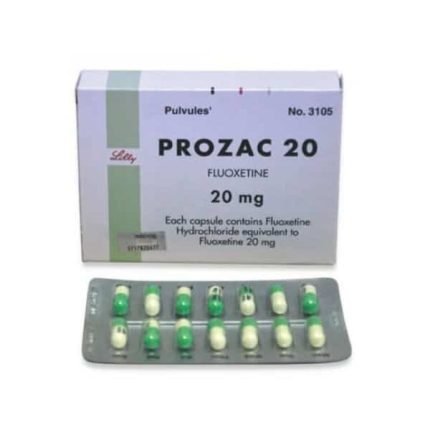
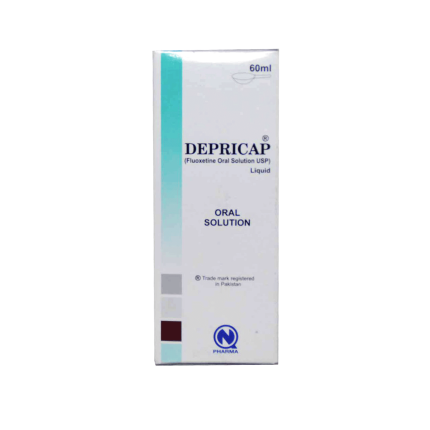
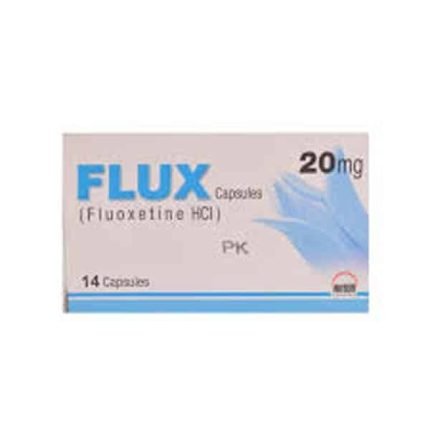
Fluoxetine is sold in Pakistan under brand names such as Depricap (Nabiqasim Industries Ltd), Advance (Scotman Pharmaceuticals), Galaxy (Glit Pharma), Prozac (Eli Lilly Pakistan Ltd), Zauxit (Zafa Pharmaceutical Labortories Ltd), Flux (Hilton Pharma Ltd), Depex (Merck Marker Ltd) and Serratol (Horizon Pharma), along with 1 more brands listed below.Do I need a prescription for Fluoxetine?
Yes. Fluoxetine is a prescription medicine in Pakistan. Use it only when a doctor has prescribed it, at the dose and for the time they advise.
Can Fluoxetine be used during pregnancy?
If you are pregnant, planning a pregnancy or breastfeeding, discuss the benefits and risks with your doctor rather than stopping on your own.
Are all Fluoxetine brands the same?
Brands that contain the same amount of Fluoxetine in the same form are expected to work in the same way, although inactive ingredients, pack sizes and prices differ. Ask your doctor or pharmacist before switching from one brand to another.
Fluoxetine brands and prices in Pakistan
Medimart lists 19 products containing Fluoxetine from different manufacturers. Compare strengths, pack sizes and prices below and order online with cash on delivery.