
- Shop by Generic (A-Z)
- Shop by Health Condition
- Acid Reflux & Stomach Ulcer
- Allergy & Hay Fever
- Arthritis & Joint Pain
- Cancer Care
- Chest Infection & Pneumonia
- Cold & Flu
- Diabetes
- Ear Infection
- Hepatitis & Liver Disease
- High Blood Pressure
- Infertility & PCOS
- Kidney Stones
- Pain Relief
- Period Pain
- Sinusitis
- Skin Infection
- Throat Infection & Tonsillitis
- Thyroid Disorders
- Typhoid
- Urinary Tract Infection (UTI)
- View All Health Conditions
- Herbal & Unani
Amodiaquine: Uses, Side Effects & Brands in Pakistan
Amodiaquine is a 4-aminoquinoline antimalarial. It is a prescription medicine used for malaria. In Pakistan it is available as tablets and suspension, made by 4 different manufacturers. On this page you can read how it works, its common side effects and precautions, and compare the brands and prices available at Medimart.
How Amodiaquine works
Amodiaquine works inside the red blood cells where malaria parasites live. It stops the parasites from safely disposing of the toxic waste they produce when digesting haemoglobin, and this build-up kills them. Artesunate rapidly reduces parasite numbers, while amodiaquine clears the remaining parasites.
What is Amodiaquine used for?
Amodiaquine is used in combination with artesunate to treat uncomplicated malaria, including falciparum malaria. Combination therapy is used because two antimalarials taken together work better and reduce the chance that the parasites become resistant. It is not used for severe malaria, which needs hospital treatment, and it is not recommended for preventing malaria in travellers.
Side effects of Amodiaquine
Side effects that may occur with Amodiaquine include:
- Nausea or vomiting
- Stomach pain
- Loss of appetite
- Weakness or tiredness
- Itching
- Trouble sleeping
Get medical help at once if you have a fever with sore throat or mouth ulcers, yellow skin or eyes, or if malaria symptoms such as high fever, confusion or drowsiness return or get worse.
Precautions and warnings
- It should not be used for repeated courses or long-term prevention, because of a risk of serious blood and liver problems.
- Tell your doctor if you have liver disease or a blood disorder, or have reacted badly to amodiaquine before.
- Some HIV medicines, such as efavirenz and zidovudine, and other drugs can interact with it, so tell your doctor about all the medicines you take.
- Complete the full course even if you feel better, and seek medical review if vomiting stops you keeping the tablets down.
- If you are pregnant, malaria treatment should always be chosen by a doctor.
Frequently asked questions about Amodiaquine
What is the price of Amodiaquine in Pakistan?
At Medimart, Amodiaquine products currently in stock range from Rs 22 to Rs 2,161 per pack, depending on the brand, strength and pack size. The lowest-priced option right now is Semoquine 150mg Tablet at Rs 22. Prices are updated regularly, so the product list on this page always shows the latest price.Which brands of Amodiaquine are available in Pakistan?
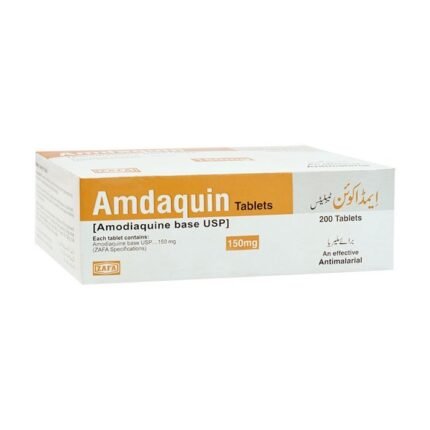
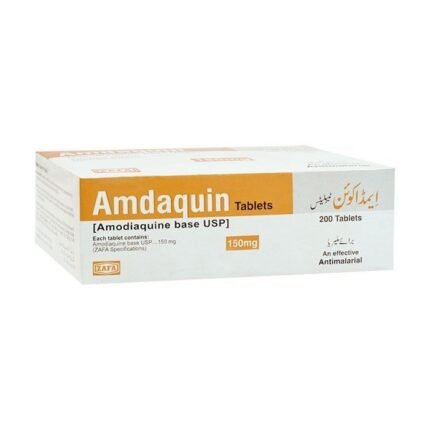
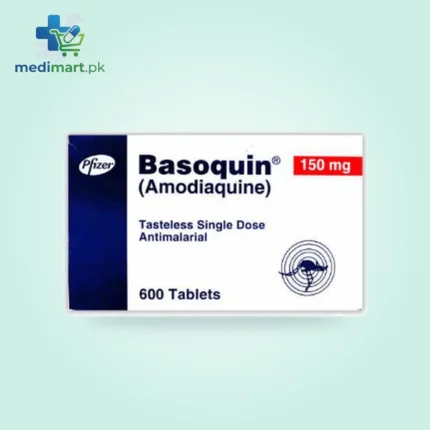
Amodiaquine is sold in Pakistan under brand names such as Amdaquin (Zafa Pharmaceutical Labortories Ltd), Basoquin (Ltd), Semoquine (Semos) and Unesoquine (Unexo).Do I need a prescription for Amodiaquine?
Yes. Amodiaquine is a prescription medicine in Pakistan. Use it only when a doctor has prescribed it, at the dose and for the time they advise.
Can Amodiaquine be used during pregnancy?
If you are pregnant, malaria treatment should always be chosen by a doctor.
Are all Amodiaquine brands the same?
Brands that contain the same amount of Amodiaquine in the same form are expected to work in the same way, although inactive ingredients, pack sizes and prices differ. Ask your doctor or pharmacist before switching from one brand to another.
Amodiaquine brands and prices in Pakistan
Medimart lists 6 products containing Amodiaquine from different manufacturers. Compare strengths, pack sizes and prices below and order online with cash on delivery.

Related medicines
Medical disclaimer: This page is for general information only and does not replace advice from a doctor or pharmacist. Do not start, stop or change any medicine, or its dose, without speaking to a qualified healthcare professional.