
- Shop by Generic (A-Z)
- Shop by Health Condition
- Acid Reflux & Stomach Ulcer
- Allergy & Hay Fever
- Arthritis & Joint Pain
- Cancer Care
- Chest Infection & Pneumonia
- Cold & Flu
- Diabetes
- Ear Infection
- Hepatitis & Liver Disease
- High Blood Pressure
- Infertility & PCOS
- Kidney Stones
- Pain Relief
- Period Pain
- Sinusitis
- Skin Infection
- Throat Infection & Tonsillitis
- Thyroid Disorders
- Typhoid
- Urinary Tract Infection (UTI)
- View All Health Conditions
- Herbal & Unani


Sold out



Health guides about Glaucoma
About Glaucoma
Glaucoma is a group of eye diseases in which raised eye pressure damages the optic nerve. Lifelong drops can protect the remaining vision.
Common signs and symptoms
- Often no early symptoms
- Gradual loss of side vision
- Halos around lights
- Eye pain in acute attacks
Medicines and products you will find here
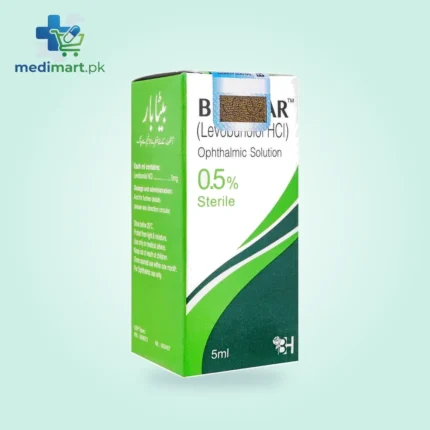
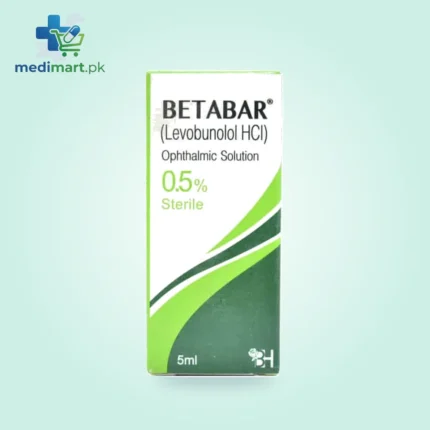
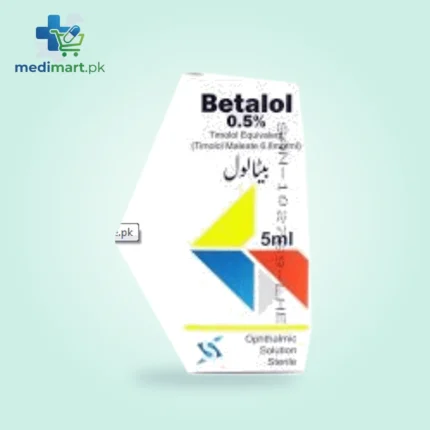
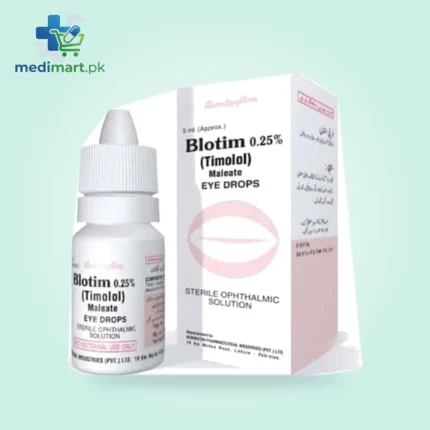
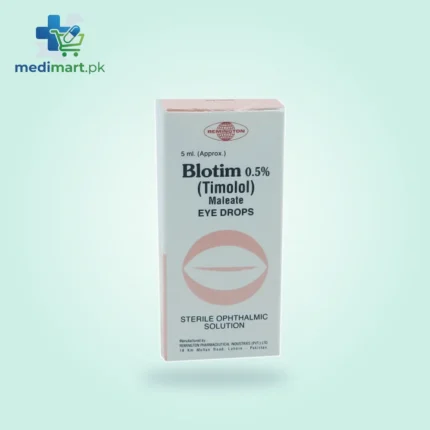
- Timolol and other beta-blocker drops
- Prostaglandin drops such as latanoprost
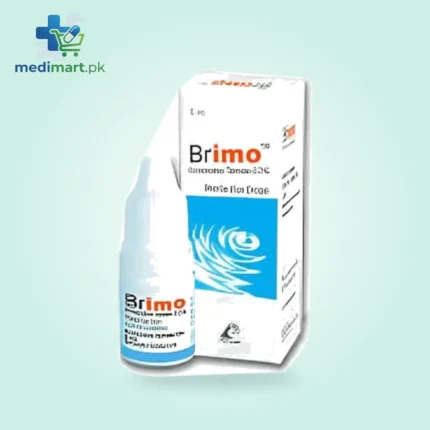
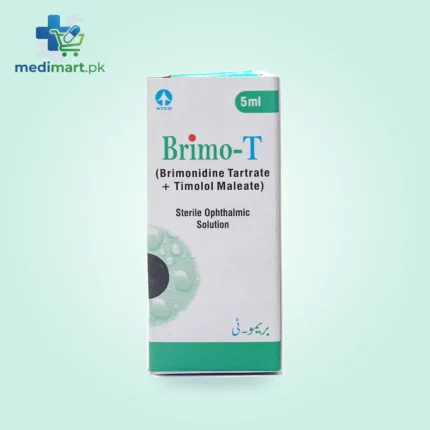
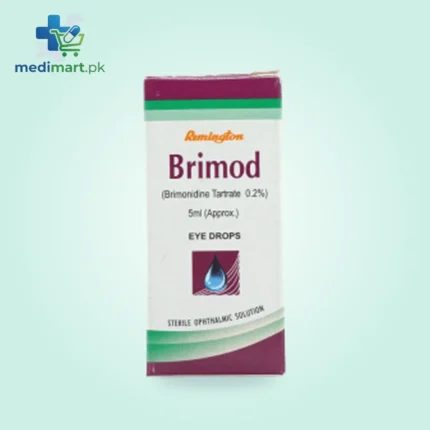
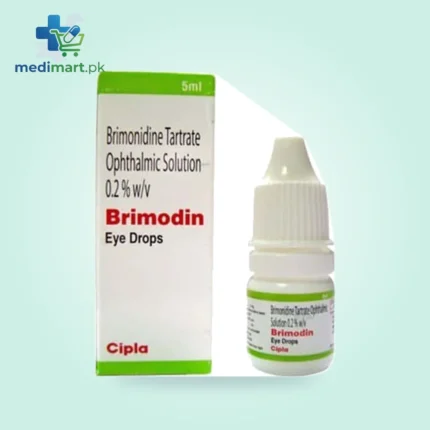
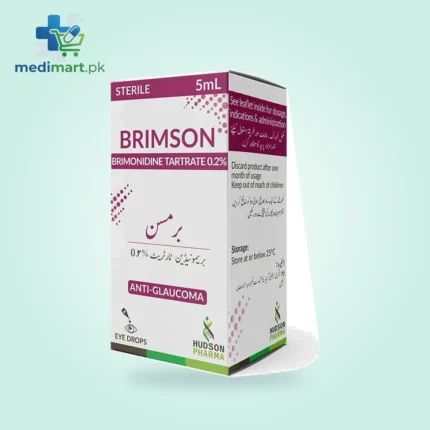
- Brimonidine and dorzolamide
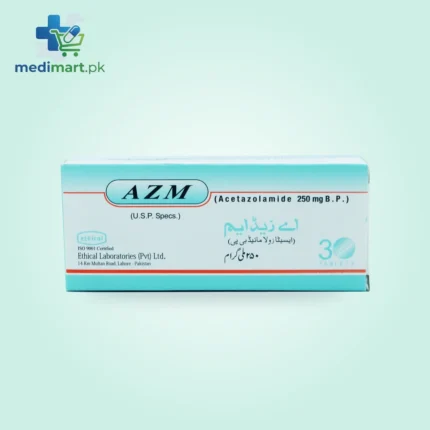
- Acetazolamide tablets
When to see a doctor
- You have sudden eye pain with blurred vision (emergency)
- You miss drops often
- Vision narrows
- You are over 40 with a family history
Frequently asked questions
Why use drops if I see well?
Damage is gradual and silent, so drops prevent loss rather than restore it.
How do I use drops correctly?
Wash hands, tilt the head back and press the corner of the eye after instilling.
This information is for general awareness and is not a substitute for medical advice. Please consult a doctor or pharmacist before starting, changing or stopping any medicine.
✓Reviewed by Dr Asma
About Glaucoma
Glaucoma is a group of eye conditions in which the optic nerve is damaged, usually because pressure inside the eye is too high. The most common type develops slowly with no pain, so side vision can be lost before it is noticed.
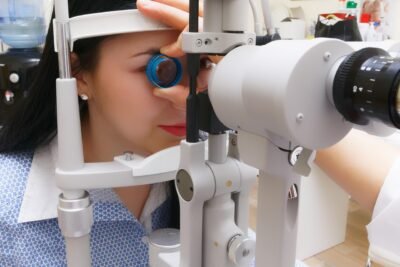
It is more common after 40 and in people with diabetes, short sight or a family history. Regular eye checks with pressure testing help find it early.
Medicines used for Glaucoma
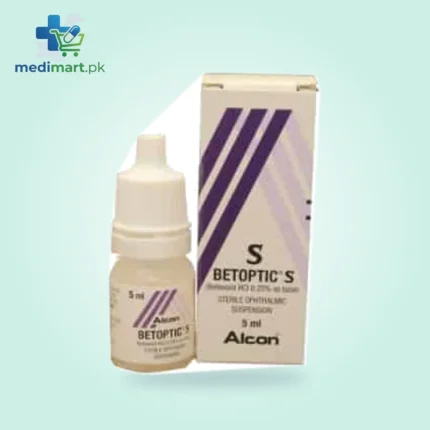
Glaucoma is treated with daily eye drops that lower eye pressure, such as latanoprost, bimatoprost, timolol, brimonidine and dorzolamide, sometimes combined in one bottle. Acetazolamide tablets are used for short periods. Drops must be used every day for life, even though the eyes feel normal.
When to see a doctor
Have your eyes checked every one to two years after 40. Go to an eye hospital straight away for a sudden painful red eye with blurred vision, halos around lights, headache or vomiting, as this can be acute glaucoma.
This page is for general information only. Many of these medicines need a prescription; please use them only on the advice of a doctor or pharmacist, who can choose the right medicine and dose for you.
Read our health guide: Glaucoma: Symptoms, Risk Factors and How to Protect Your Sight