
- Shop by Generic (A-Z)
- Shop by Health Condition
- Acid Reflux & Stomach Ulcer
- Allergy & Hay Fever
- Arthritis & Joint Pain
- Cancer Care
- Chest Infection & Pneumonia
- Cold & Flu
- Diabetes
- Ear Infection
- Hepatitis & Liver Disease
- High Blood Pressure
- Infertility & PCOS
- Kidney Stones
- Pain Relief
- Period Pain
- Sinusitis
- Skin Infection
- Throat Infection & Tonsillitis
- Thyroid Disorders
- Typhoid
- Urinary Tract Infection (UTI)
- View All Health Conditions
- Herbal & Unani



Sold out
About Infertility & PCOS
Infertility means not getting pregnant after a year of regular unprotected sex, or six months if the woman is over 35. Problems can come from either partner. A common cause in women is not ovulating regularly.
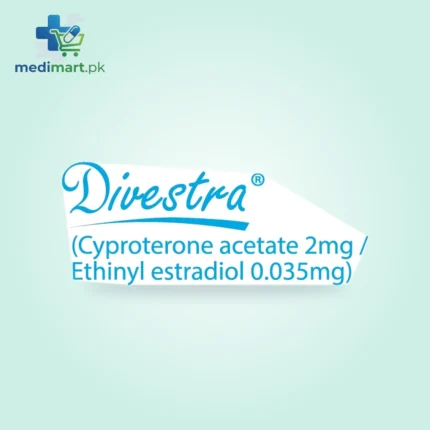
Polycystic ovary syndrome (PCOS) is a common hormone condition causing irregular periods, acne, extra facial hair, weight gain and difficulty getting pregnant. It is linked to insulin resistance.
Medicines used for Infertility & PCOS
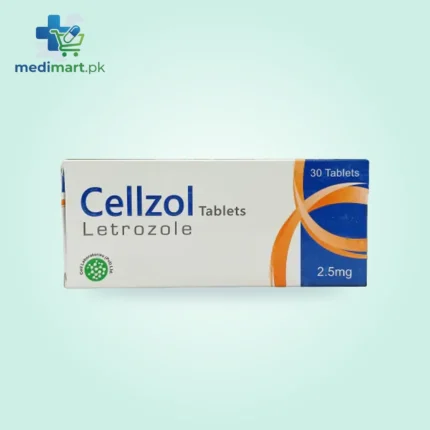
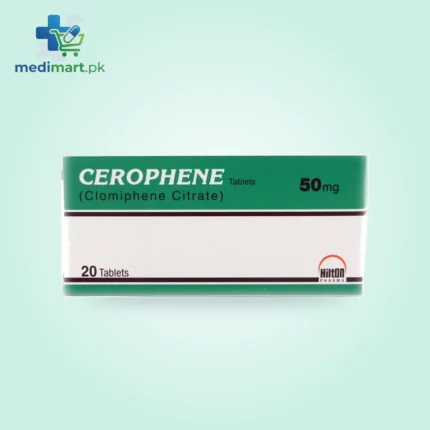
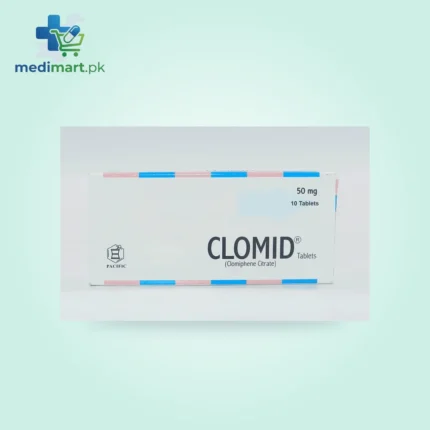
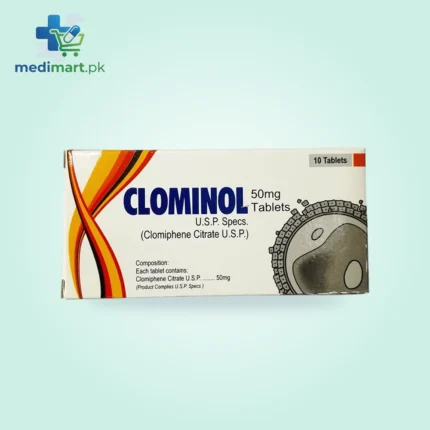
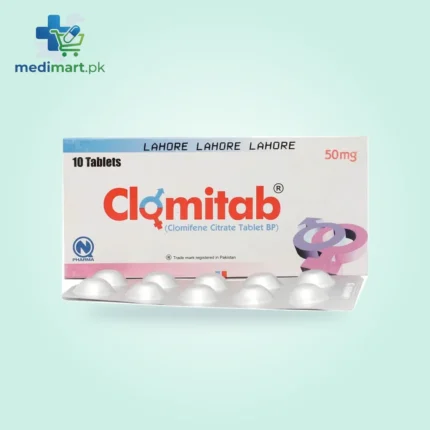
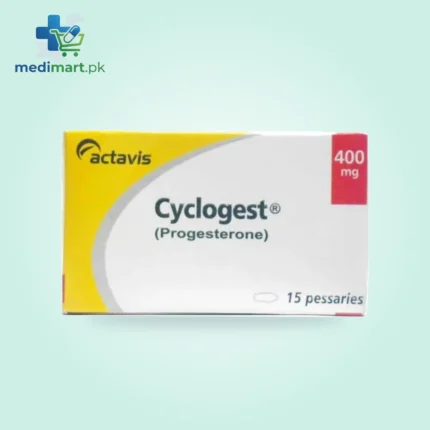
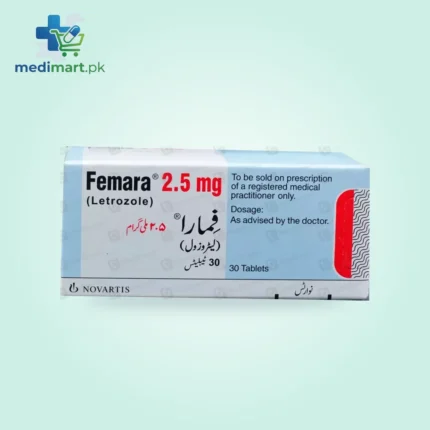
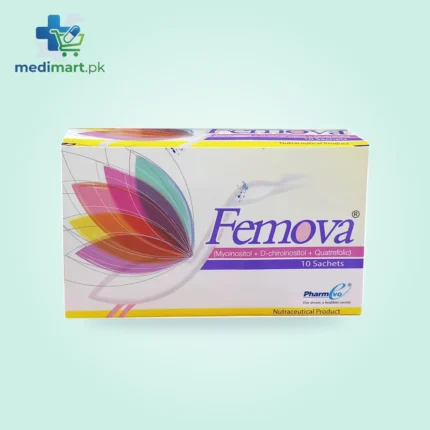
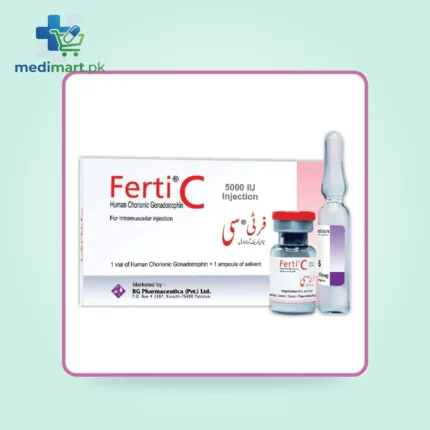
Ovulation is started with clomiphene or letrozole, and injections such as hCG are used to trigger ovulation in fertility treatment. Progesterone and dydrogesterone support early pregnancy and treat some period problems. In PCOS, weight loss, metformin and myo-inositol can improve periods and ovulation. Fertility medicines are taken under a gynaecologist's care with scans.
When to see a doctor
See a gynaecologist if you have not conceived after a year (six months over 35), have very irregular or no periods, or have pain in the lower abdomen. Both partners should be checked.
This page is for general information only. Many of these medicines need a prescription; please use them only on the advice of a doctor or pharmacist, who can choose the right medicine and dose for you.