
- Shop by Generic (A-Z)
- Shop by Health Condition
- Acid Reflux & Stomach Ulcer
- Allergy & Hay Fever
- Arthritis & Joint Pain
- Cancer Care
- Chest Infection & Pneumonia
- Cold & Flu
- Diabetes
- Ear Infection
- Hepatitis & Liver Disease
- High Blood Pressure
- Infertility & PCOS
- Kidney Stones
- Pain Relief
- Period Pain
- Sinusitis
- Skin Infection
- Throat Infection & Tonsillitis
- Thyroid Disorders
- Typhoid
- Urinary Tract Infection (UTI)
- View All Health Conditions
- Herbal & Unani













Health guides about Heart Failure

About Heart Failure
Heart failure means the heart cannot pump blood as strongly as the body needs, which leads to fluid build-up and tiredness. Medicines can ease symptoms and slow progression.
Common signs and symptoms
- Breathlessness, especially lying flat
- Swollen ankles and legs
- Tiredness and weakness
- Sudden weight gain from fluid
Medicines and products you will find here
- Diuretics to remove extra fluid
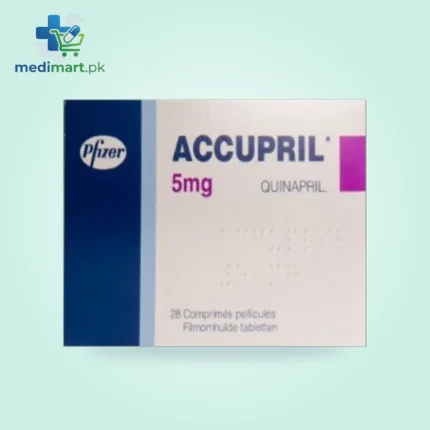
- ACE inhibitors, ARBs and beta blockers
- Spironolactone and related drugs
- Digoxin where prescribed
When to see a doctor
- You gain more than 2 kg in 3 days
- Breathlessness suddenly increases
- Swelling worsens or you cough pink froth
- You feel faint
Frequently asked questions
Why is daily weight important?
A quick rise in weight can mean fluid is building up, so report it early.
Should I limit fluids and salt?
Often yes, your cardiologist will give limits that suit you.
This information is for general awareness and is not a substitute for medical advice. Please consult a doctor or pharmacist before starting, changing or stopping any medicine.
✓Reviewed by Dr Asma
About Heart Failure
Heart failure means the heart is not pumping as well as it should. It is a long-term condition that can be managed well with the right treatment.
Symptoms include breathlessness, especially when lying flat or on exertion, swelling of the ankles and legs, tiredness and a persistent cough.
Medicines used for Heart Failure
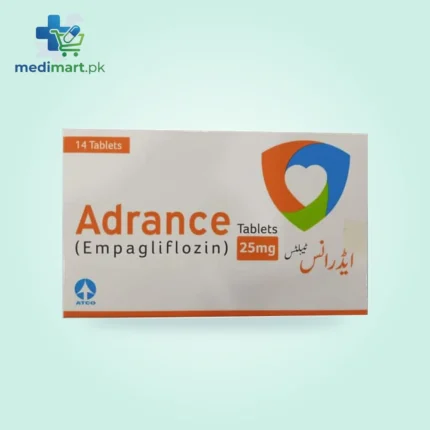
Treatment includes medicines that protect the heart and remove extra fluid, such as sacubitril with valsartan, ACE inhibitors like enalapril or ramipril, beta-blockers such as bisoprolol or carvedilol, SGLT2 inhibitors such as dapagliflozin or empagliflozin, and diuretics. Limiting salt and fluid as advised and weighing yourself daily help spot problems early.
When to see a doctor
Get urgent help for sudden severe breathlessness, chest pain, fainting or rapid weight gain over a few days.
This page is for general information only. Many of these medicines need a prescription; please use them only on the advice of a doctor or pharmacist, who can choose the right medicine and dose for you.














