
- Shop by Generic (A-Z)
- Shop by Health Condition
- Acid Reflux & Stomach Ulcer
- Allergy & Hay Fever
- Arthritis & Joint Pain
- Cancer Care
- Chest Infection & Pneumonia
- Cold & Flu
- Diabetes
- Ear Infection
- Hepatitis & Liver Disease
- High Blood Pressure
- Infertility & PCOS
- Kidney Stones
- Pain Relief
- Period Pain
- Sinusitis
- Skin Infection
- Throat Infection & Tonsillitis
- Thyroid Disorders
- Typhoid
- Urinary Tract Infection (UTI)
- View All Health Conditions
- Herbal & Unani










Health guides about Heart Attack & Stroke Prevention
 Stroke: Warning Signs (FAST), What to Do and How to Prevent ItA stroke can strike without warning: a father suddenly cannot lift his arm at the dinner table, a grandmother’s speech turns slurred,...Read the guide →
 Heart Attack Warning Signs: What to Do and How to Prevent OneEvery year, many people in Pakistan die of heart attacks because they took too long to get help. A man feels a...Read the guide →
About Heart Attack & Stroke Prevention
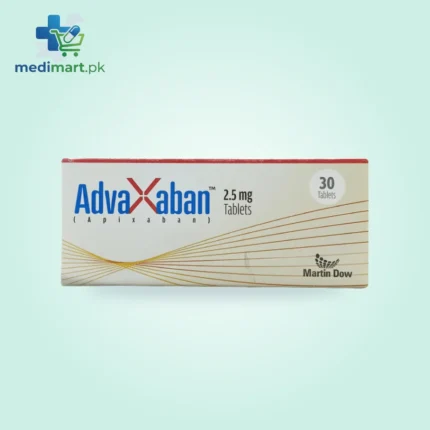
After or to avoid a heart attack or stroke, doctors use medicines that thin the blood and protect vessels. Taking them every day without gaps matters.
Common signs and symptoms
- Previous heart attack, stent or stroke
- High blood pressure, cholesterol or diabetes
- Smoking and family history
- Chest pain or sudden weakness are emergencies
Medicines and products you will find here
- Aspirin and clopidogrel
- Statins
- Blood-thinning tablets as prescribed
- Medicines for blood pressure and sugar
When to see a doctor
- You have sudden weakness, speech trouble or chest pain (call emergency help)
- You notice unusual bleeding or black stools
- You are about to have surgery or dental work
- You miss doses of blood thinners
Frequently asked questions
Can I stop aspirin if I feel fine?
No. Stopping early can raise the risk of a clot, so ask your doctor first.
Do blood thinners cause bleeding?
They can, so report nosebleeds, bruising or dark stools to your doctor.
This information is for general awareness and is not a substitute for medical advice. Please consult a doctor or pharmacist before starting, changing or stopping any medicine.
✓Reviewed by Dr Asma
About Heart Attack & Stroke Prevention
People who have had a heart attack, stroke or stent, or who have high cardiovascular risk, often take medicines long-term to prevent another event. Blood clots in the legs (DVT) or lungs (pulmonary embolism) also need preventive treatment.
Risk is increased by high blood pressure, diabetes, high cholesterol, smoking, atrial fibrillation and a family history of heart disease.
Medicines used for Heart Attack & Stroke Prevention
Medicines used include low-dose aspirin and clopidogrel to stop platelets clumping, statins such as atorvastatin and rosuvastatin, blood pressure medicines, and blood thinners such as rivaroxaban for atrial fibrillation or clots. Never stop these medicines without your doctor’s advice.
When to see a doctor
Know the warning signs: call for emergency help for chest pain, sudden weakness or numbness of the face or limbs, difficulty speaking, or sudden breathlessness.
This page is for general information only. Many of these medicines need a prescription; please use them only on the advice of a doctor or pharmacist, who can choose the right medicine and dose for you.














