
- Shop by Generic (A-Z)
- Shop by Health Condition
- Acid Reflux & Stomach Ulcer
- Allergy & Hay Fever
- Arthritis & Joint Pain
- Cancer Care
- Chest Infection & Pneumonia
- Cold & Flu
- Diabetes
- Ear Infection
- Hepatitis & Liver Disease
- High Blood Pressure
- Infertility & PCOS
- Kidney Stones
- Pain Relief
- Period Pain
- Sinusitis
- Skin Infection
- Throat Infection & Tonsillitis
- Thyroid Disorders
- Typhoid
- Urinary Tract Infection (UTI)
- View All Health Conditions
- Herbal & Unani







Sold out







Health guides about Cancer Care
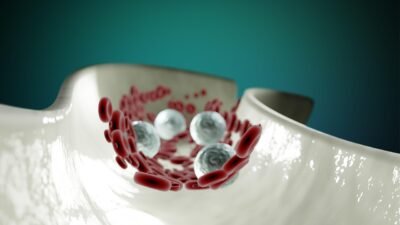 Leukaemia (Blood Cancer): Symptoms, Types and TreatmentThe word leukaemia frightens people, and understandably so. It is a cancer of the blood, and it is the commonest cancer in...Read the guide →
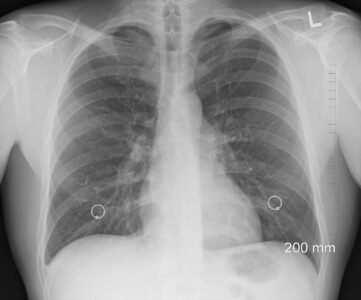 Lung Cancer: Symptoms, Smoking Risk and How It Differs from TBA cough that will not go away is easy to ignore, particularly if you smoke, because many smokers cough every morning. But...Read the guide →
 Oral Cancer: Symptoms and the Link with Paan, Gutka and NaswarIn Pakistan, a paan after lunch, a pinch of naswar under the lip or a packet of gutka or chalia during the...Read the guide →
 Liver Cancer: Symptoms, Hepatitis Link and Prevention in PakistanIn Pakistan, millions of people live with hepatitis B or hepatitis C, often without knowing it. Over 10 to 30 years these...Read the guide →
 Colon Cancer: Symptoms, Screening and Why Bleeding Is Not Always PilesMany people bleed when they pass stool and assume it is piles. Sometimes it is. But sometimes it is the first sign...Read the guide →
 Breast Cancer: Symptoms, Self-Examination and ScreeningBreast cancer is the most common cancer among women in Pakistan, and the country is often said to have one of the...Read the guide →
About Cancer Care
Cancer care includes supportive medicines that help manage side effects of treatment such as nausea, pain and low blood counts. Treatment itself is planned by an oncologist.
Common signs and symptoms
- Nausea and vomiting from chemotherapy
- Mouth sores and loss of appetite
- Pain
- Low blood counts and tiredness
Medicines and products you will find here
- Ondansetron and other anti-nausea medicines
- Pain medicines as prescribed
- Supplements and nutrition support
- Oral cancer medicines on prescription
When to see a doctor
- You have fever during chemotherapy
- Bleeding or severe vomiting occurs
- Pain is uncontrolled
- You are unsure about doses
Frequently asked questions
Can I buy cancer medicines without a prescription?
No, these must be prescribed and supervised by your oncologist.
Is nutrition important?
Yes, good nutrition supports strength during treatment.
This information is for general awareness and is not a substitute for medical advice. Please consult a doctor or pharmacist before starting, changing or stopping any medicine.
✓Reviewed by Dr Asma
About Cancer Care
Cancer is a group of diseases in which abnormal cells grow out of control and can spread to other parts of the body. Common cancers in Pakistan include breast, mouth, lung, liver, blood and prostate cancer.
Treatment is planned by a cancer specialist (oncologist) and may include surgery, radiotherapy, chemotherapy, hormone therapy or targeted medicines, alongside supportive care for side effects.
Medicines used for Cancer Care
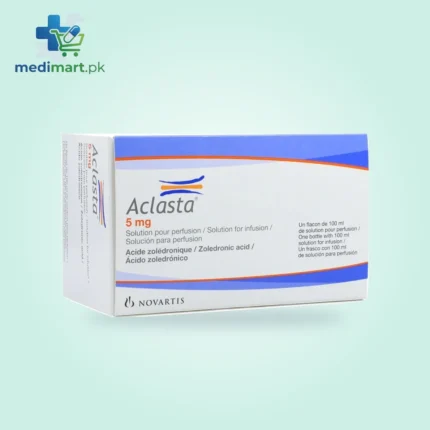
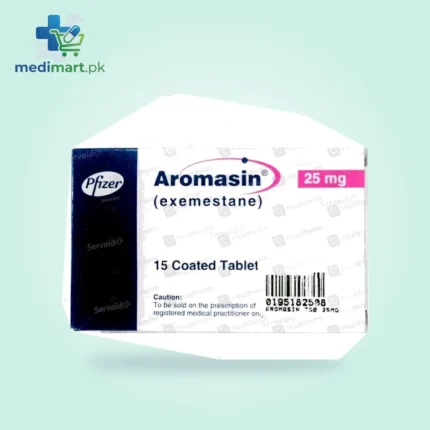
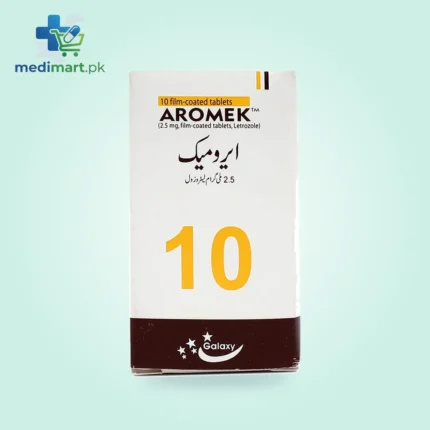
Cancer medicines are specialist prescription medicines. They include hormone therapies such as tamoxifen, letrozole and anastrozole for breast cancer, oral chemotherapy such as capecitabine, targeted medicines such as imatinib, and methotrexate. Supportive medicines help with treatment side effects: ondansetron for nausea after chemotherapy, filgrastim for low white blood cell counts and zoledronic acid for bone problems.
Many of these medicines need careful storage, regular blood tests and exact dosing, so order them only against your oncologist's prescription.
When to see a doctor
Contact your cancer team or go to hospital straight away if you have a fever of 38°C or more during chemotherapy, bleeding, severe vomiting, breathlessness or new severe pain. See a doctor about any lump, unexplained weight loss, a sore that does not heal or blood in urine, stool or cough.
This page is for general information only. Many of these medicines need a prescription; please use them only on the advice of a doctor or pharmacist, who can choose the right medicine and dose for you.