
- Shop by Generic (A-Z)
- Shop by Health Condition
- Acid Reflux & Stomach Ulcer
- Allergy & Hay Fever
- Arthritis & Joint Pain
- Cancer Care
- Chest Infection & Pneumonia
- Cold & Flu
- Diabetes
- Ear Infection
- Hepatitis & Liver Disease
- High Blood Pressure
- Infertility & PCOS
- Kidney Stones
- Pain Relief
- Period Pain
- Sinusitis
- Skin Infection
- Throat Infection & Tonsillitis
- Thyroid Disorders
- Typhoid
- Urinary Tract Infection (UTI)
- View All Health Conditions
- Herbal & Unani














Health guides about Osteoporosis

About Osteoporosis
Osteoporosis makes bones thin and fragile, raising the risk of fractures. Calcium, vitamin D, exercise and bone-strengthening medicines help protect them.
Common signs and symptoms
- Often no symptoms until a fracture
- Loss of height
- Stooped posture
- Back pain
Medicines and products you will find here
- Calcium and vitamin D3
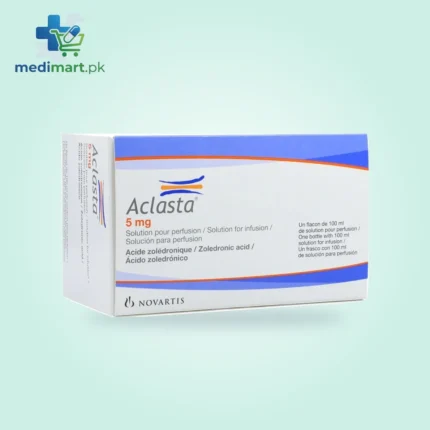
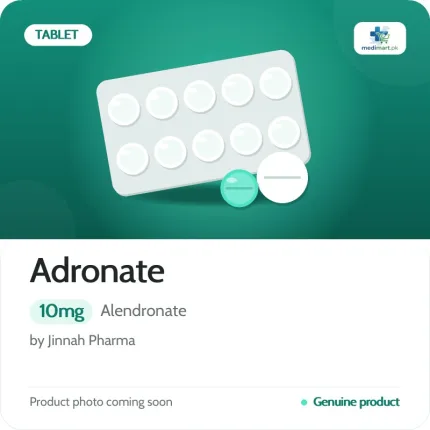
- Alendronate and other bisphosphonates
- Raloxifene and denosumab
- Vitamin K2 and magnesium
When to see a doctor
- You have a fracture after minor injury
- Back pain begins suddenly
- You are postmenopausal with risk factors
- You take long-term steroids
Frequently asked questions
How should alendronate be taken?
On an empty stomach with a full glass of water, staying upright for 30 minutes.
Which exercises help bones?
Weight-bearing exercise such as walking strengthens bones.
This information is for general awareness and is not a substitute for medical advice. Please consult a doctor or pharmacist before starting, changing or stopping any medicine.
✓Reviewed by Dr Asma
About Osteoporosis
Osteoporosis is a condition in which bones become thin and fragile, so they break more easily. It is common in women after the menopause, in older men and in people who take steroids long term.
It usually causes no symptoms until a fracture, often of the wrist, hip or spine. Loss of height or a stooped back can be signs.
Medicines used for Osteoporosis
Treatment includes enough calcium and vitamin D, weight-bearing exercise, preventing falls, and medicines such as alendronate that strengthen bone. A bone density (DEXA) scan helps assess risk.
When to see a doctor
See a doctor after any fracture from a minor fall, or if you have risk factors such as early menopause, long-term steroid use or a family history of hip fracture.
This page is for general information only. Many of these medicines need a prescription; please use them only on the advice of a doctor or pharmacist, who can choose the right medicine and dose for you.
Read our health guide: Osteoporosis: Symptoms, Calcium Needs and Treatment














