
- Shop by Generic (A-Z)
- Shop by Health Condition
- Acid Reflux & Stomach Ulcer
- Allergy & Hay Fever
- Arthritis & Joint Pain
- Cancer Care
- Chest Infection & Pneumonia
- Cold & Flu
- Diabetes
- Ear Infection
- Hepatitis & Liver Disease
- High Blood Pressure
- Infertility & PCOS
- Kidney Stones
- Pain Relief
- Period Pain
- Sinusitis
- Skin Infection
- Throat Infection & Tonsillitis
- Thyroid Disorders
- Typhoid
- Urinary Tract Infection (UTI)
- View All Health Conditions
- Herbal & Unani


















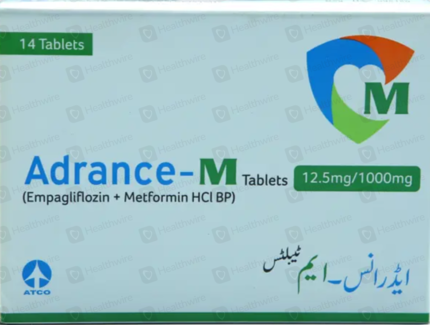

Health guides about Diabetes
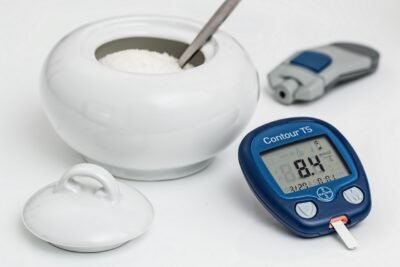 Early Signs of Diabetes: Symptoms You Should Not IgnoreDiabetes rarely announces itself. For many people, type 2 diabetes grows quietly for years, and the first clue is a routine blood...Read the guide →
 Gestational Diabetes: Symptoms, Diet and Treatment in PregnancyMany women are told in the middle of pregnancy that their sugar is high, even though they have never had diabetes. It...Read the guide →
About Diabetes
Diabetes is a long-term condition in which blood sugar stays too high because the body makes too little insulin or cannot use it well. Good control protects the eyes, kidneys, nerves and heart.
Common signs and symptoms
- Increased thirst and frequent urination
- Unexplained tiredness and weight change
- Blurred vision
- Slow-healing cuts and frequent infections
Medicines and products you will find here
- Metformin and other oral tablets
- Insulin and pen needles
- Glucose strips and monitors
- Supplements prescribed alongside diabetes care
When to see a doctor
- Blood sugar stays high despite treatment
- You feel shaky, sweaty or confused (possible low sugar)
- You notice numb feet or foot sores
- Vision suddenly worsens
Frequently asked questions
Can diabetes tablets be stopped when sugar is normal?
No. Normal readings usually mean the medicine is working, so only your doctor should change or stop it.
How often should I check sugar?
It depends on your treatment, so follow your doctor plan, and check more often when you are ill.
This information is for general awareness and is not a substitute for medical advice. Please consult a doctor or pharmacist before starting, changing or stopping any medicine.
✓Reviewed by Dr Asma
About Diabetes
Diabetes is a long-term condition in which blood sugar stays too high. Type 2 diabetes, the most common form, is very widespread in Pakistan and is linked to weight, inactivity and family history.
Symptoms include thirst, frequent urination, tiredness, blurred vision and slow-healing wounds, but many people have no symptoms for years.
Medicines used for Diabetes
Treatment combines diet, exercise and weight loss with medicines such as metformin, gliclazide, glimepiride, sitagliptin, vildagliptin, empagliflozin, dapagliflozin or pioglitazone, and insulin when needed. Regular checks of blood sugar, HbA1c, kidneys, eyes and feet help prevent complications.
When to see a doctor
Seek urgent help for very high or very low blood sugar, vomiting, confusion or drowsiness, and see your doctor regularly to review your treatment.
This page is for general information only. Many of these medicines need a prescription; please use them only on the advice of a doctor or pharmacist, who can choose the right medicine and dose for you.
Read our health guides: Gestational Diabetes: Symptoms, Diet and Treatment in Pregnancy | Early Signs of Diabetes: Symptoms You Should Not Ignore














