
- Shop by Generic (A-Z)
- Shop by Health Condition
- Acid Reflux & Stomach Ulcer
- Allergy & Hay Fever
- Arthritis & Joint Pain
- Cancer Care
- Chest Infection & Pneumonia
- Cold & Flu
- Diabetes
- Ear Infection
- Hepatitis & Liver Disease
- High Blood Pressure
- Infertility & PCOS
- Kidney Stones
- Pain Relief
- Period Pain
- Sinusitis
- Skin Infection
- Throat Infection & Tonsillitis
- Thyroid Disorders
- Typhoid
- Urinary Tract Infection (UTI)
- View All Health Conditions
- Herbal & Unani










Health guides about Dementia & Memory Problems

About Dementia & Memory Problems
Dementia and Alzheimer disease cause progressive memory loss and confusion. Medicines can ease symptoms for a time, and daily routines and support are very important.
Common signs and symptoms
- Forgetting recent events
- Difficulty with familiar tasks
- Confusion about time or place
- Mood or personality changes
Medicines and products you will find here
- Donepezil and rivastigmine
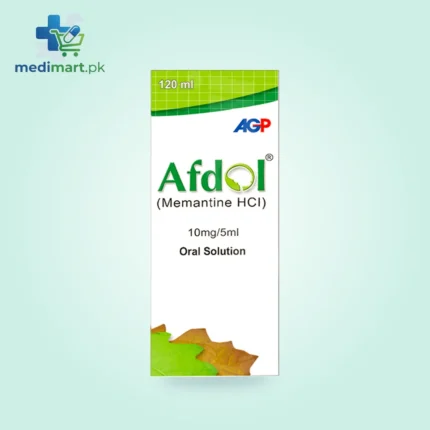
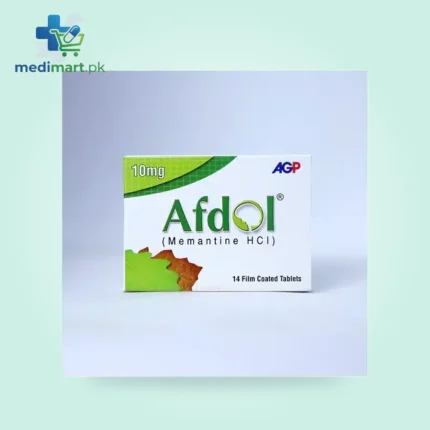
- Memantine
- Vitamin B12 and E when advised
- Sleep and mood medicines
When to see a doctor
- Memory loss affects daily life
- There is sudden confusion
- Wandering or aggression begins
- Medicines cause side effects
Frequently asked questions
Can medicines cure dementia?
No, they may slow symptoms but do not cure it.
How can families help?
Keep routines, labels and a safe home, and seek caregiver support.
This information is for general awareness and is not a substitute for medical advice. Please consult a doctor or pharmacist before starting, changing or stopping any medicine.
✓Reviewed by Dr Asma
About Dementia & Memory Problems
Dementia is a gradual decline in memory, thinking and daily skills that is more than normal ageing. Alzheimer's disease is the most common cause, followed by vascular dementia after strokes.
Early signs include forgetting recent events, repeating questions, getting lost in familiar places and changes in mood or behaviour. Memory problems can also come from low vitamin B12, thyroid problems, depression or some medicines.
Medicines used for Dementia & Memory Problems
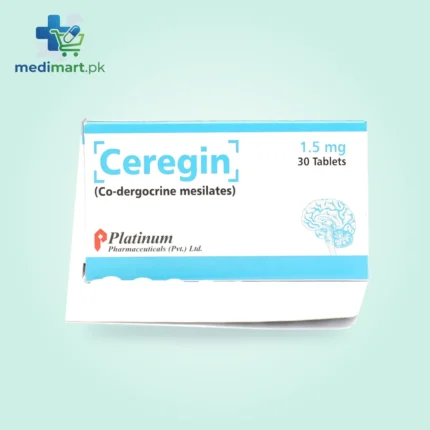
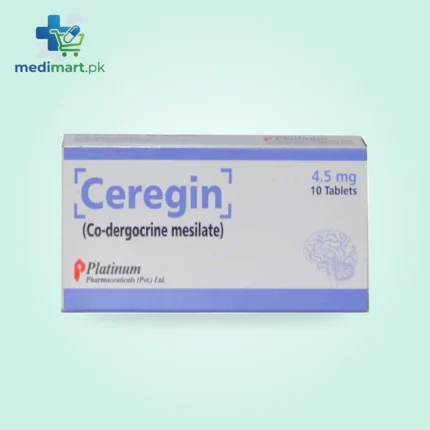
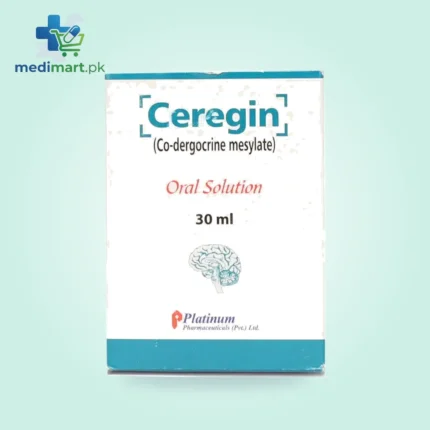
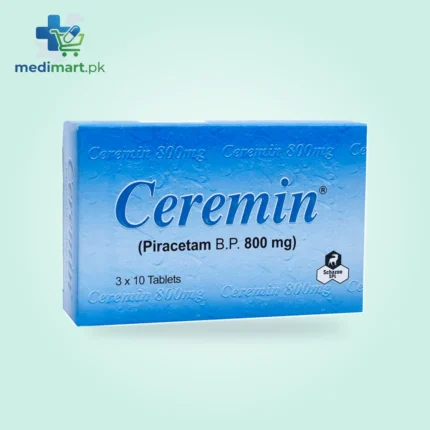
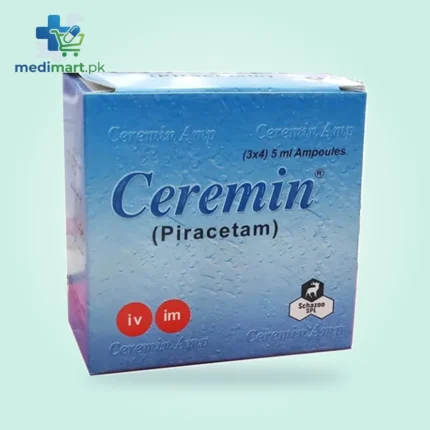
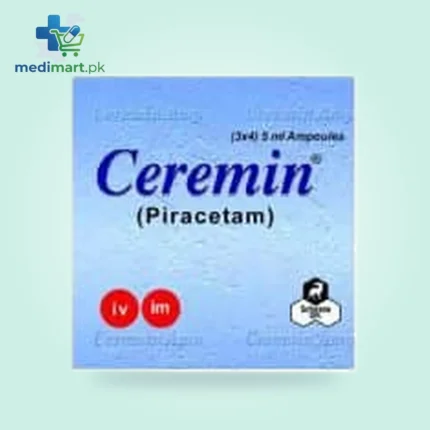
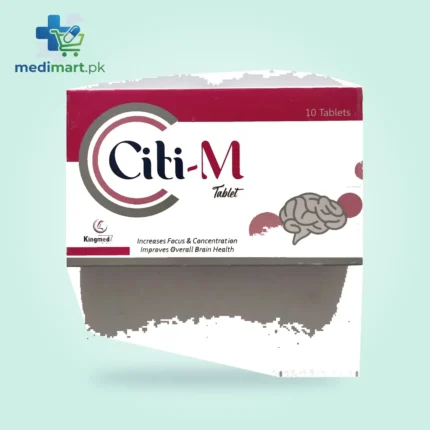
Donepezil, rivastigmine and memantine can slow the worsening of Alzheimer's symptoms for a time. Citicoline and piracetam are used in some people after stroke or head injury, and ginkgo biloba is a herbal supplement taken for memory and circulation. These supplements do not cure dementia.
When to see a doctor
See a doctor if memory problems are getting worse or affecting daily life, so treatable causes can be checked. Seek urgent help for sudden confusion, which can be a sign of infection or stroke.
This page is for general information only. Many of these medicines need a prescription; please use them only on the advice of a doctor or pharmacist, who can choose the right medicine and dose for you.