
- Shop by Generic (A-Z)
- Shop by Health Condition
- Acid Reflux & Stomach Ulcer
- Allergy & Hay Fever
- Arthritis & Joint Pain
- Cancer Care
- Chest Infection & Pneumonia
- Cold & Flu
- Diabetes
- Ear Infection
- Hepatitis & Liver Disease
- High Blood Pressure
- Infertility & PCOS
- Kidney Stones
- Pain Relief
- Period Pain
- Sinusitis
- Skin Infection
- Throat Infection & Tonsillitis
- Thyroid Disorders
- Typhoid
- Urinary Tract Infection (UTI)
- View All Health Conditions
- Herbal & Unani









Health guides about Gout
About Gout
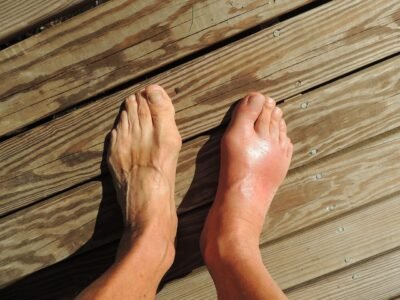
Gout is a form of arthritis caused by uric acid crystals in a joint, often the big toe. Attacks are treated quickly, and long-term medicine prevents recurrence.
Common signs and symptoms
- Sudden severe joint pain
- Redness and swelling
- Warmth and tenderness
- Usually the big toe or ankle
Medicines and products you will find here
- Colchicine
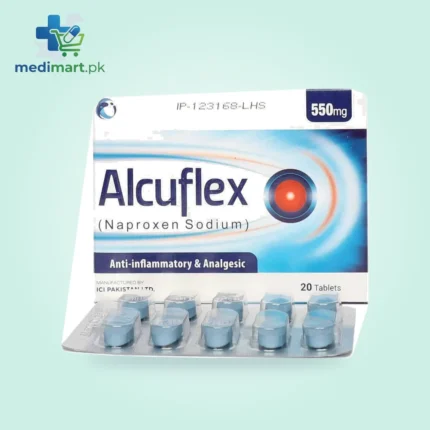
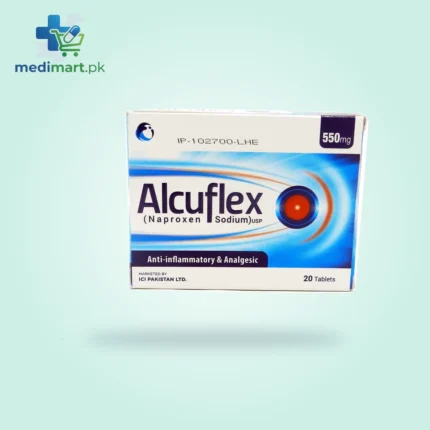
- Anti-inflammatory tablets
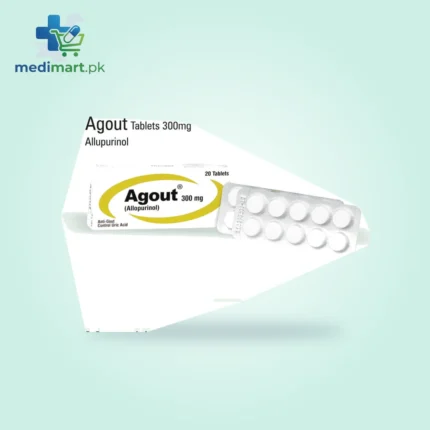
- Allopurinol and febuxostat
- Alkalising sachets
When to see a doctor
- The joint is hot with fever
- Attacks are frequent
- You have kidney problems
- Pain does not settle in a few days
Frequently asked questions
Which foods raise uric acid?
Red meat, organ meat, seafood and sugary drinks can trigger attacks.
Should I take allopurinol during an attack?
Usually it is not started in the middle of an attack, so follow your doctor.
This information is for general awareness and is not a substitute for medical advice. Please consult a doctor or pharmacist before starting, changing or stopping any medicine.
✓Reviewed by Dr Asma
About Gout
Gout is a type of arthritis caused by high uric acid levels in the blood, which form sharp crystals in a joint. It often affects the big toe, but can involve the ankle, knee or wrist.
A gout attack causes sudden, severe pain, swelling, redness and heat in a joint, often starting at night.
Medicines used for Gout
Attacks are treated with anti-inflammatory painkillers such as naproxen or diclofenac, colchicine or steroids. Long-term, medicines such as febuxostat or allopurinol lower uric acid to prevent attacks. Reducing red meat, organ meat, sugary drinks and alcohol and drinking more water also help.
When to see a doctor
See a doctor for a first attack, an attack with fever, or repeated attacks, as untreated gout can damage joints and kidneys.
This page is for general information only. Many of these medicines need a prescription; please use them only on the advice of a doctor or pharmacist, who can choose the right medicine and dose for you.
Read our health guide: High Uric Acid and Gout: Symptoms, Foods to Limit and Treatment














