
- Shop by Generic (A-Z)
- Shop by Health Condition
- Acid Reflux & Stomach Ulcer
- Allergy & Hay Fever
- Arthritis & Joint Pain
- Cancer Care
- Chest Infection & Pneumonia
- Cold & Flu
- Diabetes
- Ear Infection
- Hepatitis & Liver Disease
- High Blood Pressure
- Infertility & PCOS
- Kidney Stones
- Pain Relief
- Period Pain
- Sinusitis
- Skin Infection
- Throat Infection & Tonsillitis
- Thyroid Disorders
- Typhoid
- Urinary Tract Infection (UTI)
- View All Health Conditions
- Herbal & Unani
High Uric Acid and Gout: Symptoms, Foods to Limit and Treatment

✓Reviewed by Dr Asma
It usually starts at night. You go to bed fine, and a few hours later your big toe feels hot, swollen and so tender that even a bedsheet is unbearable. That is a classic gout attack, and the cause is a build-up of uric acid in the blood. Gout is one of the most common forms of arthritis, and it is very treatable once you understand what is going on.
What is uric acid?
Uric acid is a waste product your body makes when it breaks down purines, natural substances found in your cells and in many foods. Normally it dissolves in the blood, passes through the kidneys and leaves in urine. When your body makes too much, or your kidneys cannot clear enough, levels rise. Above roughly 6.8 mg/dL, uric acid can start forming sharp needle-like crystals in the joints. That is gout.
Typical lab ranges are about 3.5 to 7.2 mg/dL for men and 2.6 to 6.0 mg/dL for women, though they vary slightly between labs. People who already have gout are usually advised to keep levels below 6 mg/dL.
High uric acid symptoms
High uric acid on its own often causes no symptoms at all. Many people discover it on a routine blood test, and many never develop gout. Symptoms appear when crystals trigger an attack:
- Sudden, severe pain in one joint, most often the base of the big toe
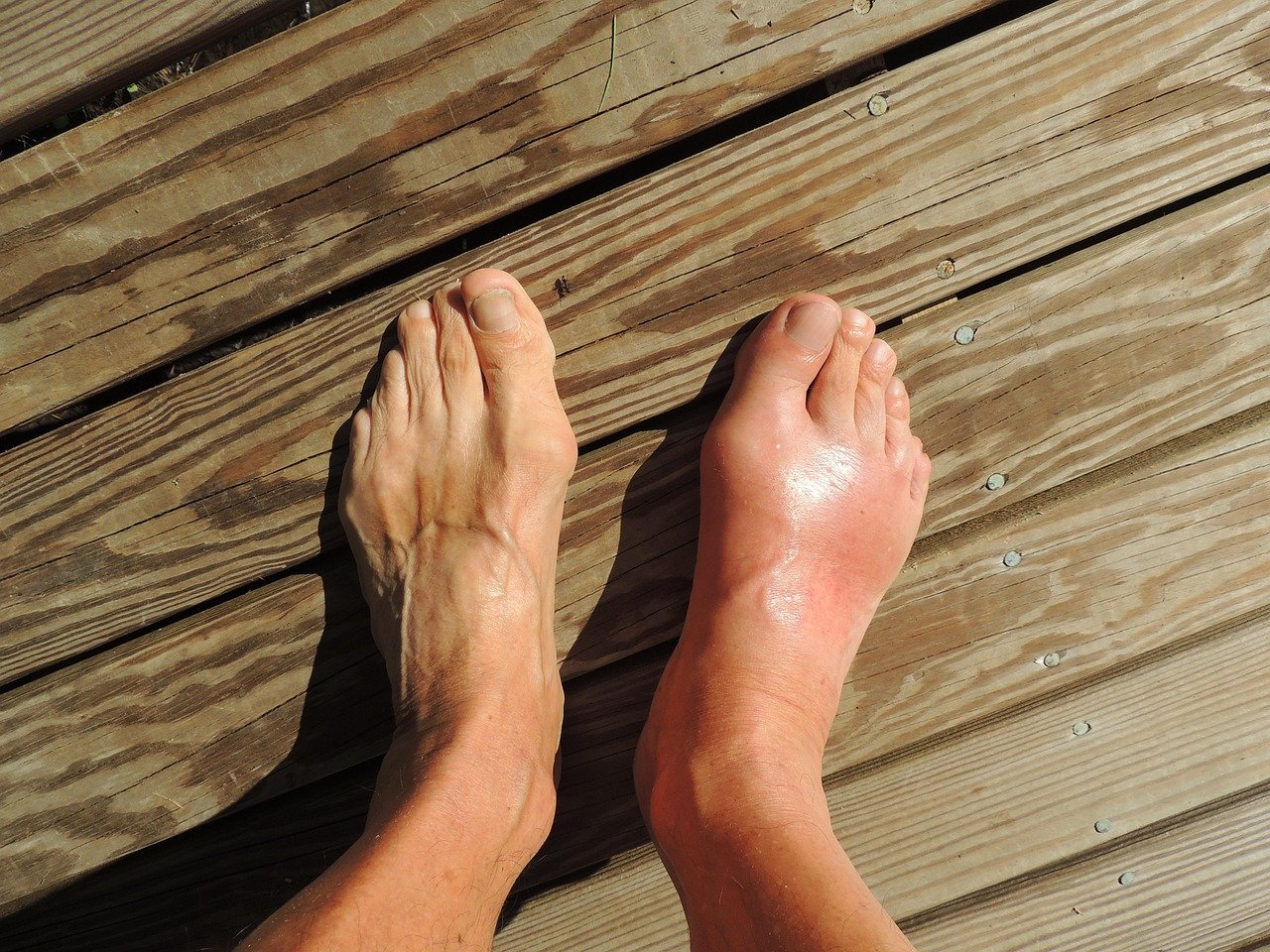
- Redness, warmth and obvious swelling over the joint
- Pain that peaks within 12 to 24 hours
- Ankles, knees, wrists and fingers can also be affected
- Skin that looks shiny and peels once the swelling settles
An untreated attack usually fades within 3 to 10 days, but it tends to come back, often sooner and in more joints.
What causes uric acid to rise?
- Eating a lot of red meat, organ meats (liver, kidney, brain) and shellfish
- Sugary drinks and sweets made with fructose
- Alcohol, especially beer
- Being overweight, and crash dieting or long fasting without enough water
- Not drinking enough water, particularly in summer
- Kidney disease, high blood pressure and diabetes
- Some medicines, including water tablets (diuretics) and low-dose aspirin
- A family history of gout
The daal and spinach myth
Many people in Pakistan are told to give up daal, palak, cauliflower and peas as soon as they see a high uric acid report. Research does not support this. Purines from vegetables and pulses have not been shown to raise the risk of gout the way meat and seafood do. Unless your doctor has asked you to limit them for another reason, such as kidney disease, there is no need to remove these healthy foods from your plate.
What to eat and drink
- Drink plenty of water through the day, around 2 to 3 litres unless you have been told to limit fluids
- Choose daal, vegetables, whole grains, eggs and low-fat dairy
- Keep red meat portions small and avoid organ meats, especially during flare-ups
- Skip soft drinks, packaged juices and sugary sherbet
- Avoid alcohol, particularly beer
- Lose weight gradually. Fast weight loss can actually trigger an attack.
Treating a gout attack
See a doctor as soon as an attack starts. The sooner treatment begins, the faster the pain settles. Doctors commonly prescribe an anti-inflammatory painkiller such as naproxen or etoricoxib, colchicine, or a short course of steroids when the first two are unsuitable. At home, rest the joint, raise it and apply a cold pack wrapped in a cloth for 15 to 20 minutes at a time.
A few cautions matter here:
- Do not take extra aspirin for the pain, because it can disturb uric acid levels.
- Do not start uric-acid-lowering tablets in the middle of an attack unless your doctor says so.
- If you already take such tablets, do not stop them on your own during an attack.
Long-term control
If you have frequent attacks, lumps under the skin (tophi), kidney stones or kidney damage, your doctor may prescribe a uric-acid-lowering medicine such as allopurinol or febuxostat. These work slowly and are taken every day, even when you feel perfectly well. Regular blood tests help the doctor adjust the dose. Left uncontrolled, gout can damage joints permanently and raise the risk of kidney stones.
When to see a doctor
- A hot, swollen joint with fever or chills, which may be an infection
- A first gout-like attack that does not improve in two days
- Repeated attacks, or more than one joint involved
- Blood in urine or severe side pain, which can mean a kidney stone
Key takeaways
- High uric acid often has no symptoms; gout is the painful result of crystals in a joint.
- Limit red meat, organ meats, sugary drinks and alcohol, and drink plenty of water.
- Daal and spinach do not need to be removed from your diet.
- Long-term tablets, taken as prescribed, are what prevent repeat attacks.
Related medicines on Medimart
These are the medicines doctors commonly use for gout and high uric acid:
- Etoricoxib: an anti-inflammatory painkiller for gout attacks
- Naproxen: an anti-inflammatory painkiller for attack pain
- Allopurinol: a daily tablet that lowers uric acid over time
- Febuxostat: another daily uric-acid-lowering tablet
Prescription medicines are supplied only against a valid prescription. Please take them only as advised by your doctor.
Browse gout medicines and care products on Medimart with delivery across Pakistan. Prescription medicines are supplied only against a valid prescription.
This guide is for general information and does not replace advice from a doctor. If you suspect gout, please get a proper diagnosis.














