- Shop by Generic (A-Z)
- Shop by Health Condition
- Acid Reflux & Stomach Ulcer
- Allergy & Hay Fever
- Arthritis & Joint Pain
- Cancer Care
- Chest Infection & Pneumonia
- Cold & Flu
- Diabetes
- Ear Infection
- Hepatitis & Liver Disease
- High Blood Pressure
- Infertility & PCOS
- Kidney Stones
- Pain Relief
- Period Pain
- Sinusitis
- Skin Infection
- Throat Infection & Tonsillitis
- Thyroid Disorders
- Typhoid
- Urinary Tract Infection (UTI)
- View All Health Conditions
- Herbal & Unani
High Cholesterol: Symptoms, Causes and How to Bring It Down

✓Reviewed by Dr Asma
High cholesterol is sometimes called a silent condition, and the name fits. You can feel perfectly well, play cricket on Sunday and still have cholesterol levels that are quietly narrowing your arteries. South Asians tend to develop heart disease earlier than people in many other parts of the world, so knowing your numbers in your thirties and forties is not being overcautious. It is being sensible.
What is cholesterol?
Cholesterol is a waxy fat that your liver makes and that you also take in through food. Your body needs some of it to build cells and hormones. The trouble starts when there is too much of the wrong kind:
- LDL (“bad”) cholesterol collects in the artery walls and forms plaque.
- HDL (“good”) cholesterol carries cholesterol away from the arteries back to the liver.
- Triglycerides are another blood fat that rise with sugar, refined carbohydrates and alcohol.
Over the years, plaque can narrow or block arteries, leading to angina, heart attack or stroke.
High cholesterol symptoms
In most people there are none. The only real way to know is a blood test called a lipid profile. In a small number of people with very high or inherited cholesterol, you may see:
- Yellowish, soft patches on or around the eyelids (xanthelasma)
- A grey-white ring around the edge of the eye’s coloured part, before the age of 45
- Lumpy, fatty deposits on the tendons, such as the heels or knuckles
The first “symptom” for many people is, sadly, chest pain or a heart attack, which is why prevention matters so much.
Target numbers
| Measure | Desirable level |
|---|---|
| Total cholesterol | Below 200 mg/dL |
| LDL (bad) cholesterol | Below 100 mg/dL (lower if you have diabetes or heart disease; your doctor will set your target) |
| HDL (good) cholesterol | Above 40 mg/dL in men, above 50 mg/dL in women |
| Triglycerides | Below 150 mg/dL |
Adults should have a lipid profile at least every 5 years from the age of 20, and more often if they have diabetes, high blood pressure, a family history of early heart disease or are overweight. A fasting sample is helpful, but your doctor can often work with a non-fasting test too.
What pushes cholesterol up?
- Vanaspati ghee, deep-fried food and bakery items made with hydrogenated fat, which contain harmful trans fats
- Large amounts of desi ghee, fatty red meat, organ meat and full-fat cream
- Sweets, sugary drinks and refined flour, which raise triglycerides
- Little physical activity and extra weight around the waist
- Smoking
- Diabetes, an underactive thyroid and kidney disease
- Family history, including an inherited condition called familial hypercholesterolaemia
Lowering cholesterol with food
You do not need a special diet. A few steady swaps in everyday desi cooking go a long way:
- Cook with small amounts of canola, sunflower or olive oil, and measure it with a spoon instead of pouring.
- Grill, bake, steam or shallow-fry instead of deep-frying.
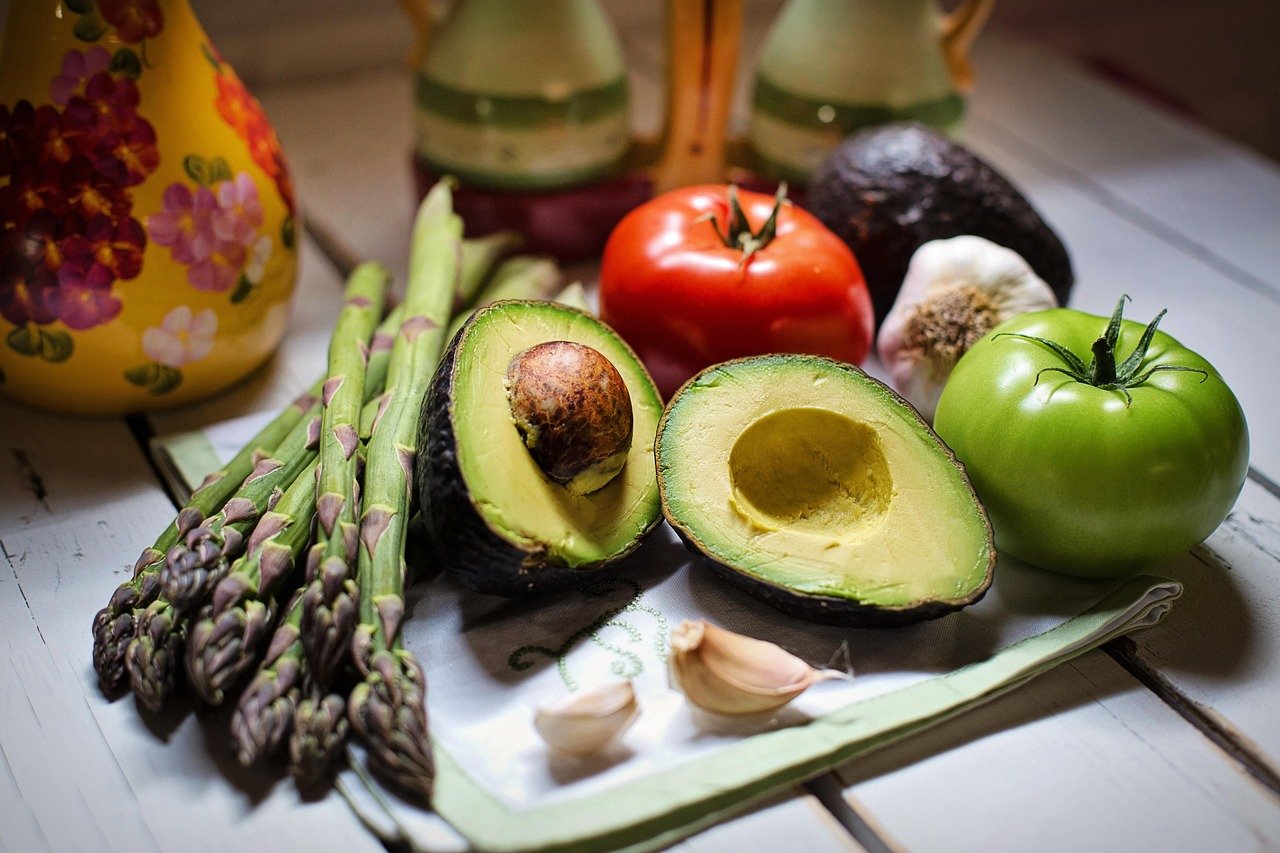
- Eat more daal, chana, rajma, oats, barley (jau) and whole-wheat roti. The soluble fibre in these helps pull cholesterol out of the body.
- Fill half your plate with vegetables and add a fruit or two every day.
- Choose fish and skinless chicken more often than red meat, and keep red meat portions small.
- A handful of almonds or walnuts makes a better snack than biscuits or samosas.
- Avoid bakery biscuits, rusks and packaged snacks that list hydrogenated fat on the label.
Lifestyle matters just as much
- Aim for 30 minutes of brisk walking, cycling or similar activity on most days, about 150 minutes a week.
- Losing 5 to 10 percent of your body weight can lower LDL and triglycerides noticeably.
- Quitting smoking raises HDL and lowers heart risk quickly.
- Keep your blood pressure under control and have it checked regularly.
When medicine is needed
If diet and exercise are not enough, or your heart risk is high, your doctor may prescribe a statin such as atorvastatin or rosuvastatin. Statins lower LDL cholesterol by roughly 30 to 50 percent and reduce the chance of heart attack and stroke. Sometimes a second medicine such as ezetimibe is added.
Things worth knowing about statins:
- They work best when taken every day. Do not stop because your numbers improve; the numbers improved because of the tablet.
- Mild muscle aches are the most common side effect. Tell your doctor if you have unexplained muscle pain, weakness or dark urine.
- Doctors usually repeat the lipid profile 6 to 12 weeks after starting, then once or twice a year.
- Large amounts of grapefruit juice can interfere with some statins.
Key takeaways
- High cholesterol almost never causes symptoms, so a lipid profile is the only way to find it.
- Trans fats, deep-fried food, sweets, smoking and inactivity are the main drivers.
- Daal, oats, vegetables, nuts and daily walking can lower your numbers.
- If a statin is prescribed, take it regularly and get your follow-up test.
Related medicines on Medimart
If your doctor decides you need a cholesterol-lowering medicine, these are the common choices:
- Atorvastatin: a widely used statin
- Rosuvastatin: a potent statin
- Simvastatin: a statin, usually taken at night
- Rosuvastatin + Ezetimibe: a statin combined with ezetimibe
- Atorvastatin + Ezetimibe: a statin combined with ezetimibe
Prescription medicines are supplied only against a valid prescription. Please take them only as advised by your doctor.
Find cholesterol-lowering medicines on Medimart with delivery across Pakistan. Prescription medicines are supplied only against a valid prescription.
This guide is for general information and does not replace advice from a doctor. Please have your cholesterol checked and discuss the result with your doctor.