
- Shop by Generic (A-Z)
- Shop by Health Condition
- Acid Reflux & Stomach Ulcer
- Allergy & Hay Fever
- Arthritis & Joint Pain
- Cancer Care
- Chest Infection & Pneumonia
- Cold & Flu
- Diabetes
- Ear Infection
- Hepatitis & Liver Disease
- High Blood Pressure
- Infertility & PCOS
- Kidney Stones
- Pain Relief
- Period Pain
- Sinusitis
- Skin Infection
- Throat Infection & Tonsillitis
- Thyroid Disorders
- Typhoid
- Urinary Tract Infection (UTI)
- View All Health Conditions
- Herbal & Unani





Health guides about Asthma & COPD
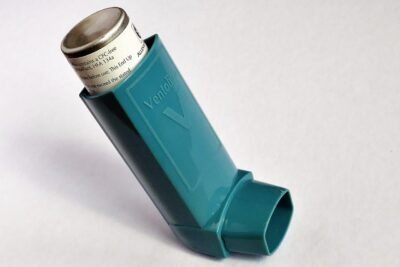
About Asthma & COPD
Asthma and COPD narrow the airways and cause wheezing and breathlessness. Reliever and preventer inhalers, used the right way, keep most people active and symptom-free.
Common signs and symptoms
- Wheezing and chest tightness
- Shortness of breath
- Night or early-morning cough
- Symptoms triggered by dust, smoke or exercise
Medicines and products you will find here
- Salbutamol reliever inhalers
- Steroid preventer inhalers
- Combination inhalers
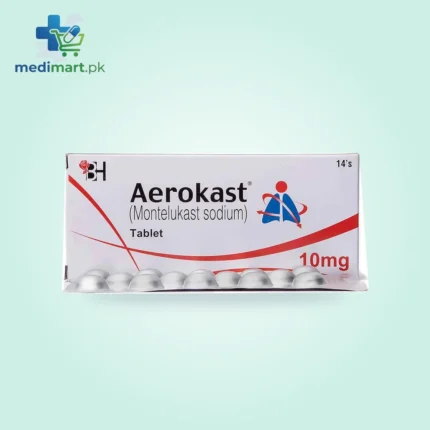
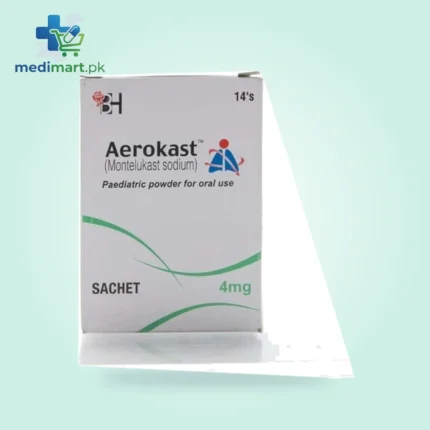
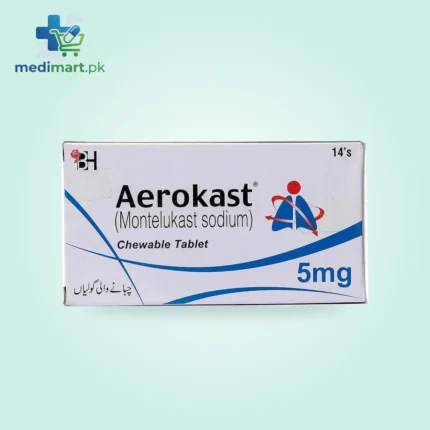
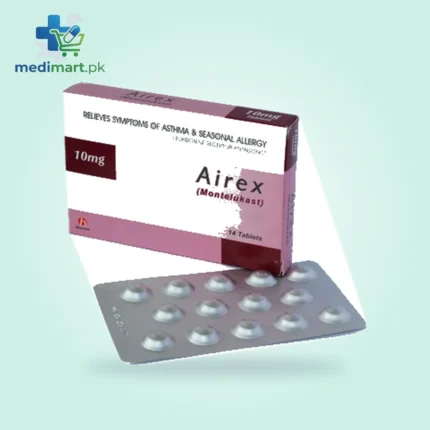
- Spacers, nebulisers and montelukast
When to see a doctor
- You use your reliever more than usual
- You wake at night with breathlessness
- Lips turn blue or you cannot speak a full sentence (emergency)
- You have not been shown how to use the inhaler
Frequently asked questions
What is the difference between reliever and preventer?
A reliever opens airways quickly, while a preventer calms swelling daily to stop attacks.
Can I stop the preventer when well?
No, it works only when used regularly.
This information is for general awareness and is not a substitute for medical advice. Please consult a doctor or pharmacist before starting, changing or stopping any medicine.
✓Reviewed by Dr Asma
About Asthma & COPD
Asthma is a long-term condition in which the airways become inflamed and narrow. COPD is a progressive lung disease, usually linked to smoking. Both cause breathlessness and wheezing.
Symptoms include wheezing, shortness of breath, chest tightness and coughing, often worse at night, with exercise, cold air, dust or infections.
Medicines used for Asthma & COPD
Reliever inhalers such as salbutamol open the airways quickly. Preventer inhalers containing steroids such as fluticasone or budesonide reduce inflammation, and montelukast tablets help some people. Learning the correct inhaler technique and using a spacer make a big difference.
When to see a doctor
Get emergency help if your reliever is not helping, you cannot speak in full sentences, your lips turn blue, or a child is struggling to breathe.
This page is for general information only. Many of these medicines need a prescription; please use them only on the advice of a doctor or pharmacist, who can choose the right medicine and dose for you.
Read our health guide: Asthma: Symptoms, Triggers and How to Use Your Inhaler Properly














