
- Shop by Generic (A-Z)
- Shop by Health Condition
- Acid Reflux & Stomach Ulcer
- Allergy & Hay Fever
- Arthritis & Joint Pain
- Cancer Care
- Chest Infection & Pneumonia
- Cold & Flu
- Diabetes
- Ear Infection
- Hepatitis & Liver Disease
- High Blood Pressure
- Infertility & PCOS
- Kidney Stones
- Pain Relief
- Period Pain
- Sinusitis
- Skin Infection
- Throat Infection & Tonsillitis
- Thyroid Disorders
- Typhoid
- Urinary Tract Infection (UTI)
- View All Health Conditions
- Herbal & Unani
Asthma: Symptoms, Triggers and How to Use Your Inhaler Properly

✓Reviewed by Dr Asma
Every winter, as smog settles over Punjab and the air turns cold and dry, clinics fill with people struggling to breathe. For someone with asthma, these months can be the hardest of the year. The condition cannot be cured, but with the right inhalers, used the right way, most people live normal, active lives.
What is asthma?
Asthma is a long-term condition in which the airways in the lungs become inflamed and extra sensitive. When something irritates them, the muscles around the airways tighten, the lining swells and thick mucus builds up. Air has a harder time getting in and out, which causes the typical symptoms. It can start in childhood or appear for the first time in adulthood.
Asthma symptoms
- Wheezing, a whistling or squeaky sound when you breathe out
- Coughing that is worse at night, early in the morning or after exercise
- Tightness or pressure in the chest
- Shortness of breath, or getting out of breath more easily than other people
- In young children, a repeated cough that comes with colds and never fully clears
Symptoms come and go. You can feel completely fine for days and then have a sudden flare-up, which is why many people are slow to get diagnosed. A doctor can confirm asthma with a breathing test called spirometry or by checking your peak flow.
Common asthma triggers
- Smog, smoke from burning crops or rubbish, and vehicle exhaust
- Dust and house dust mites in bedding, carpets and curtains
- Pollen, especially in spring
- Cold air, sudden weather changes and damp rooms with mould
- Colds, flu and other chest infections
- Cigarette smoke and shisha
- Strong smells such as incense, mosquito coils, perfumes and cleaning sprays
- Pets, especially cats
- Exercise, particularly in cold air
- Some painkillers (aspirin and ibuprofen) in a small number of people
Reliever and preventer: the two inhalers you need to understand
This is where most confusion happens, and it matters a great deal.
| Reliever inhaler | Preventer inhaler | |
|---|---|---|
| Example medicine | Salbutamol | Budesonide, beclometasone, fluticasone |
| What it does | Opens the airways within minutes | Calms inflammation over days and weeks |
| When to use | During symptoms or before exercise, as advised | Every day, even when you feel well |
| Works quickly? | Yes | No, takes 1 to 2 weeks |
If you need your reliever more than twice a week, or it wakes you at night, your asthma is not well controlled. That is the sign to ask your doctor about a preventer or a change of dose, not to keep using more puffs.
How to use an inhaler properly
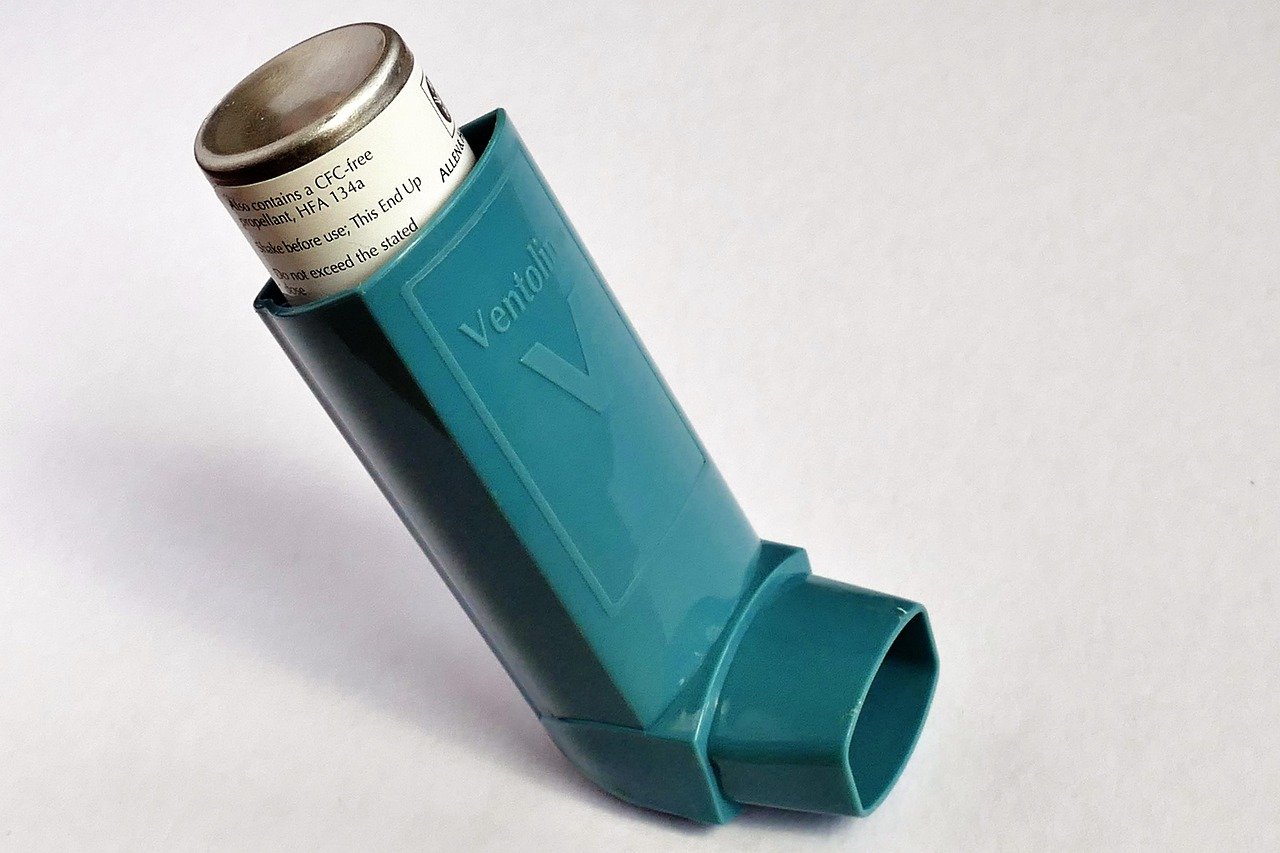
Studies show many people do not get the full dose because of poor technique. A spacer, a plastic chamber that attaches to the inhaler, makes it much easier and is especially helpful for children and older adults.
- Shake the inhaler well and remove the cap.
- Breathe out gently, away from the inhaler.
- Seal your lips around the mouthpiece (or the spacer) and press the inhaler once as you start a slow, deep breath in.
- Hold your breath for about 10 seconds.
- Wait about a minute before taking a second puff.
- After a preventer inhaler that contains steroid, rinse your mouth with water and spit it out to prevent thrush.
Ask your pharmacist or doctor to watch you use the inhaler once. It takes two minutes and can improve your asthma control a lot.
Living with asthma during smog season
- Check the air quality index each morning and limit outdoor exercise on bad days.
- Keep windows closed during peak smog hours.
- Wear a well-fitted N95 mask outdoors. Ordinary cloth masks do little against fine particles.
- Wash bedding in hot water weekly and avoid heavy curtains and carpets in the bedroom.
- Keep your reliever inhaler with you at all times, and check its expiry date.
- Get your flu vaccine every year, as colds are a major trigger.
Emergency signs: act immediately
Go to the nearest hospital, or call for help, if:
- You cannot speak a full sentence without stopping for breath
- Your lips or fingertips look blue or grey
- Your reliever is not helping, or you need it more often than every 4 hours
- Breathing is getting harder rather than easier
While waiting for help, sit upright and keep taking the reliever as directed by your doctor.
Asthma or COPD?
If you are over 40, smoke or used to smoke, and have a cough with phlegm and breathlessness that never fully goes away, the cause may be COPD rather than asthma. The two can overlap and are treated differently, so a proper lung test is worth having.
Key takeaways
- Wheezing, night cough and chest tightness are the typical signs of asthma.
- Smog, dust, cold air and infections are the most common triggers in Pakistan.
- Use the preventer daily and the reliever only when needed.
- Needing your reliever more than twice a week means your asthma needs a review.
Related medicines on Medimart
Asthma treatment usually combines a reliever with a daily preventer. Common options include:
- Salbutamol: a reliever that opens the airways quickly
- Beclomethasone: a steroid preventer inhaler
- Fluticasone: a steroid preventer inhaler
- Formoterol + Budesonide: a combination preventer inhaler
- Salmeterol + Fluticasone: a combination preventer inhaler
- Montelukast: a daily tablet that helps control allergic asthma
- Ipratropium + Salbutamol: often used in nebulisers
Prescription medicines are supplied only against a valid prescription. Please take them only as advised by your doctor.
Explore asthma and COPD medicines on Medimart with delivery across Pakistan. Prescription medicines are supplied only against a valid prescription.
This guide is for general information and does not replace advice from a doctor. If you have breathing difficulty, seek medical help promptly.














