
- Shop by Generic (A-Z)
- Shop by Health Condition
- Acid Reflux & Stomach Ulcer
- Allergy & Hay Fever
- Arthritis & Joint Pain
- Cancer Care
- Chest Infection & Pneumonia
- Cold & Flu
- Diabetes
- Ear Infection
- Hepatitis & Liver Disease
- High Blood Pressure
- Infertility & PCOS
- Kidney Stones
- Pain Relief
- Period Pain
- Sinusitis
- Skin Infection
- Throat Infection & Tonsillitis
- Thyroid Disorders
- Typhoid
- Urinary Tract Infection (UTI)
- View All Health Conditions
- Herbal & Unani





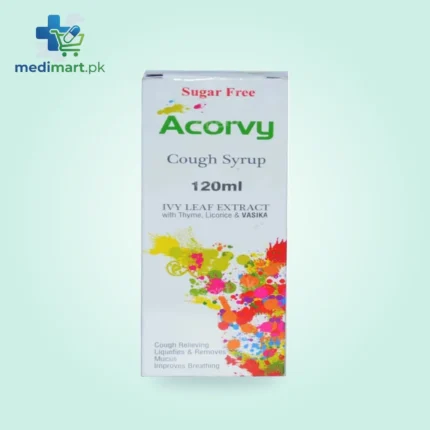


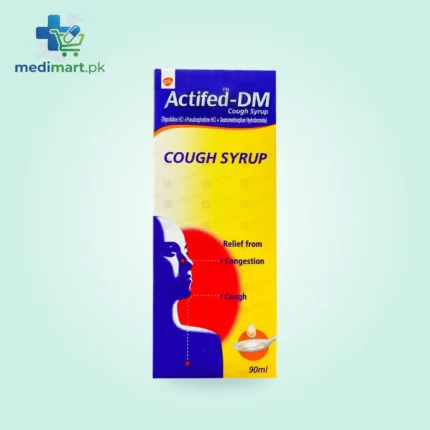
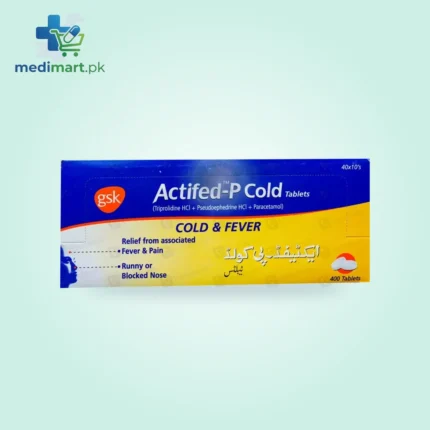
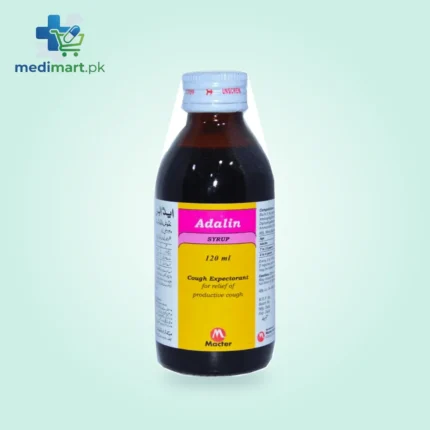

Sold out

Sold out





Health guides about Cold & Flu

About Cold & Flu
The common cold and flu are viral infections that cause a runny nose, sore throat and body ache. Rest and fluids help while the body recovers.
Common signs and symptoms
- Runny or blocked nose
- Sneezing and sore throat
- Fever and body ache
- Cough and tiredness
Medicines and products you will find here
- Paracetamol and flu combination tablets
- Antihistamines and decongestants
- Throat lozenges
- Vitamin C and zinc
When to see a doctor
- Fever lasts more than three days
- You are breathless or have chest pain
- Symptoms worsen after improving
- You are pregnant or have heart or lung disease
Frequently asked questions
Do antibiotics treat colds?
No, they do not work on viruses.
How can I avoid spreading flu?
Wash hands, cover coughs and stay home while unwell.
This information is for general awareness and is not a substitute for medical advice. Please consult a doctor or pharmacist before starting, changing or stopping any medicine.
✓Reviewed by Dr Asma
About Cold & Flu
The common cold and flu are viral infections of the nose, throat and airways. A cold causes a runny or blocked nose, sneezing and a sore throat. Flu comes on suddenly with fever, body aches, tiredness and cough.
Most people recover in about a week with rest, fluids and simple remedies. Antibiotics do not work against colds or flu.
Medicines used for Cold & Flu
Paracetamol eases fever and aches. Cold and flu combinations may add a decongestant such as pseudoephedrine or phenylephrine and an antihistamine such as chlorpheniramine. Xylometazoline nasal spray clears a blocked nose but should not be used for more than five to seven days. Oseltamivir is an antiviral for flu in people at higher risk, started early on a doctor's advice.
When to see a doctor
See a doctor for difficulty breathing, chest pain, fever lasting more than three days, or symptoms in babies, older adults, pregnant women or people with long-term illness. Check with a pharmacist before giving cold medicines to children.
This page is for general information only. Many of these medicines need a prescription; please use them only on the advice of a doctor or pharmacist, who can choose the right medicine and dose for you.
Read our health guide: Cold vs Flu: Symptoms, Home Treatment and When to See a Doctor