
- Shop by Generic (A-Z)
- Shop by Health Condition
- Acid Reflux & Stomach Ulcer
- Allergy & Hay Fever
- Arthritis & Joint Pain
- Cancer Care
- Chest Infection & Pneumonia
- Cold & Flu
- Diabetes
- Ear Infection
- Hepatitis & Liver Disease
- High Blood Pressure
- Infertility & PCOS
- Kidney Stones
- Pain Relief
- Period Pain
- Sinusitis
- Skin Infection
- Throat Infection & Tonsillitis
- Thyroid Disorders
- Typhoid
- Urinary Tract Infection (UTI)
- View All Health Conditions
- Herbal & Unani
















Health guides about Diarrhoea & Dysentery
 Food Poisoning and Gastroenteritis: Symptoms, Home Care and TreatmentIt usually begins a few hours after a wedding dinner, a roadside chaat or a restaurant biryani that sat out for too...Read the guide →
 Diarrhoea in Children: ORS, Zinc and When to See a DoctorLoose motions in a child are one of the most worrying things for a parent, especially in the hot, humid months when...Read the guide →
About Diarrhoea & Dysentery
Diarrhoea is loose watery stools, usually from infection or food. Replacing fluid is the most important step, while dysentery with blood or fever needs medical care.
Common signs and symptoms
- Loose watery stools three or more times a day
- Stomach cramps
- Nausea and fever
- Weakness from fluid loss
Medicines and products you will find here
- ORS sachets
- Zinc for children
- Probiotics
- Antibiotics or antiparasitics only if prescribed
When to see a doctor
- There is blood or mucus in stools
- A child or elderly person is dehydrated
- Fever is high or lasts more than two days
- You cannot keep fluids down
Frequently asked questions
Do I need antibiotics for diarrhoea?
Most cases are viral and settle with fluids, so antibiotics are used only when a doctor advises.
Is ORS safe for children?
Yes, when prepared exactly as the pack says, it is the standard treatment for dehydration.
This information is for general awareness and is not a substitute for medical advice. Please consult a doctor or pharmacist before starting, changing or stopping any medicine.
✓Reviewed by Dr Asma
About Diarrhoea & Dysentery
Diarrhoea is loose, watery stools three or more times a day, usually caused by a viral or bacterial infection from contaminated food or water. Dysentery means diarrhoea with blood or mucus, often caused by amoebae or Shigella.
Symptoms include frequent loose stools, cramps, fever and, in dysentery, blood or mucus in the stool.
Medicines used for Diarrhoea & Dysentery
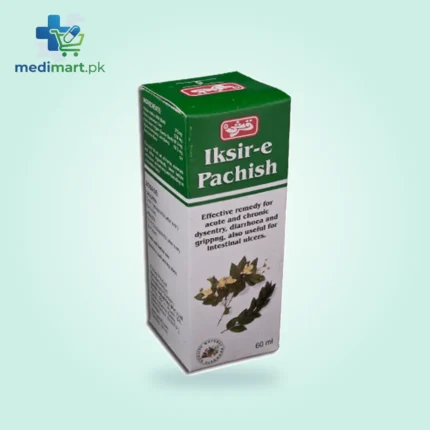
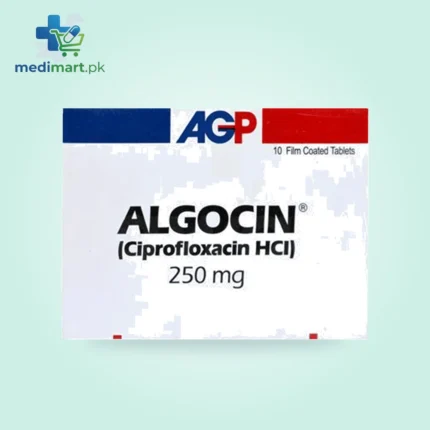
The most important treatment is oral rehydration solution (ORS) and zinc for children. Antibiotics or anti-parasite medicines such as metronidazole, diloxanide or ciprofloxacin are used only when a doctor diagnoses a bacterial or amoebic cause. Probiotics may shorten some episodes.
When to see a doctor
Get urgent help for signs of dehydration, blood in the stool, high fever, or diarrhoea in a young baby.
This page is for general information only. Many of these medicines need a prescription; please use them only on the advice of a doctor or pharmacist, who can choose the right medicine and dose for you.
Read our health guide: Diarrhoea in Children: ORS, Zinc and When to See a Doctor














