
- Shop by Generic (A-Z)
- Shop by Health Condition
- Acid Reflux & Stomach Ulcer
- Allergy & Hay Fever
- Arthritis & Joint Pain
- Cancer Care
- Chest Infection & Pneumonia
- Cold & Flu
- Diabetes
- Ear Infection
- Hepatitis & Liver Disease
- High Blood Pressure
- Infertility & PCOS
- Kidney Stones
- Pain Relief
- Period Pain
- Sinusitis
- Skin Infection
- Throat Infection & Tonsillitis
- Thyroid Disorders
- Typhoid
- Urinary Tract Infection (UTI)
- View All Health Conditions
- Herbal & Unani









About Overactive Bladder & Incontinence
Overactive bladder causes sudden urges to pass urine, frequent trips and sometimes leakage. Bladder training and medicines can restore control.
Common signs and symptoms
- Sudden urge to urinate
- Passing urine very often
- Waking at night to urinate
- Leakage before reaching the toilet
Medicines and products you will find here
- Solifenacin, tolterodine and oxybutynin
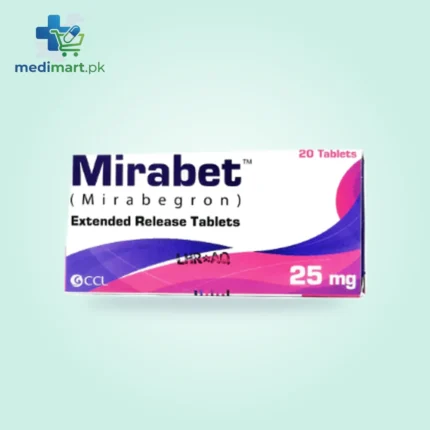
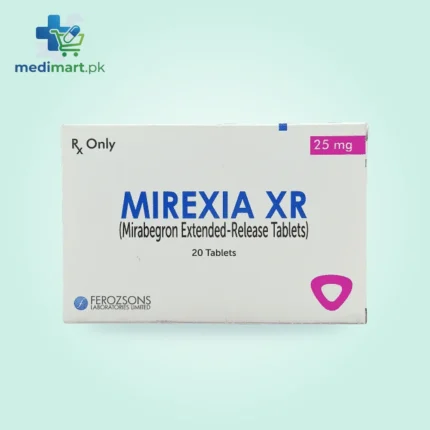
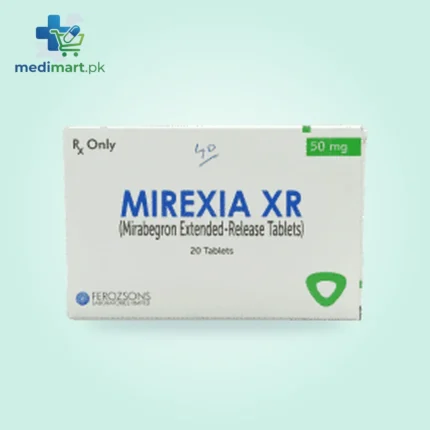
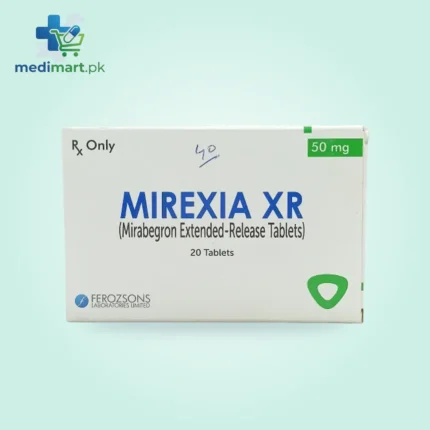
- Mirabegron
- Vaginal oestrogen where advised
- Absorbent pads
When to see a doctor
- You have pain or burning with urination
- There is blood in urine
- Leakage is severe
- You cannot empty the bladder
Frequently asked questions
Can drinks affect the bladder?
Caffeine, fizzy drinks and alcohol can worsen urgency.
Do pelvic floor exercises help?
Yes, they are often part of treatment.
This information is for general awareness and is not a substitute for medical advice. Please consult a doctor or pharmacist before starting, changing or stopping any medicine.
✓Reviewed by Dr Asma
About Overactive Bladder & Incontinence
Overactive bladder causes a sudden, strong urge to pass urine, needing to go often and sometimes leaking before reaching the toilet (urge incontinence). It is common in women and older adults.
Bladder training, pelvic floor exercises, cutting down tea, coffee and fizzy drinks, and treating constipation all help.
Medicines used for Overactive Bladder & Incontinence
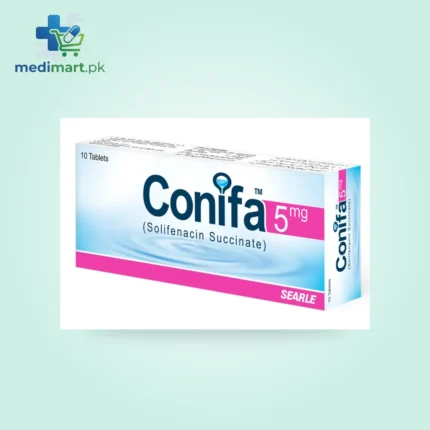
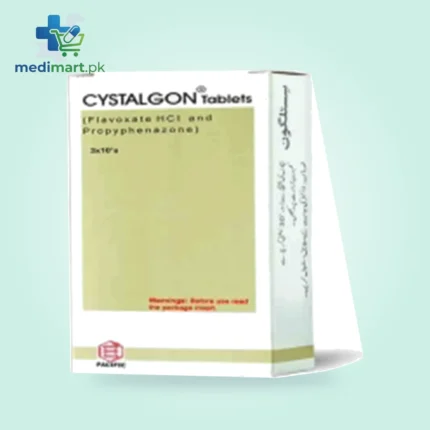
Medicines that calm the bladder muscle include solifenacin, tolterodine and oxybutynin, while mirabegron works in a different way with fewer dry-mouth side effects. Flavoxate is used for bladder spasm and discomfort.
When to see a doctor
See a doctor to rule out a urine infection, diabetes or prostate problems. Seek help quickly for blood in the urine, burning with fever, or if you cannot empty your bladder.
This page is for general information only. Many of these medicines need a prescription; please use them only on the advice of a doctor or pharmacist, who can choose the right medicine and dose for you.














