
- Shop by Generic (A-Z)
- Shop by Health Condition
- Acid Reflux & Stomach Ulcer
- Allergy & Hay Fever
- Arthritis & Joint Pain
- Cancer Care
- Chest Infection & Pneumonia
- Cold & Flu
- Diabetes
- Ear Infection
- Hepatitis & Liver Disease
- High Blood Pressure
- Infertility & PCOS
- Kidney Stones
- Pain Relief
- Period Pain
- Sinusitis
- Skin Infection
- Throat Infection & Tonsillitis
- Thyroid Disorders
- Typhoid
- Urinary Tract Infection (UTI)
- View All Health Conditions
- Herbal & Unani


















About Schizophrenia & Bipolar Disorder
Schizophrenia and bipolar disorder are long-term mental health conditions that need regular treatment. Antipsychotics and mood stabilisers, taken consistently, help prevent relapse.
Common signs and symptoms
- Hearing or seeing things others do not
- Strong false beliefs
- Extreme highs and lows in mood
- Withdrawal and disturbed sleep
Medicines and products you will find here
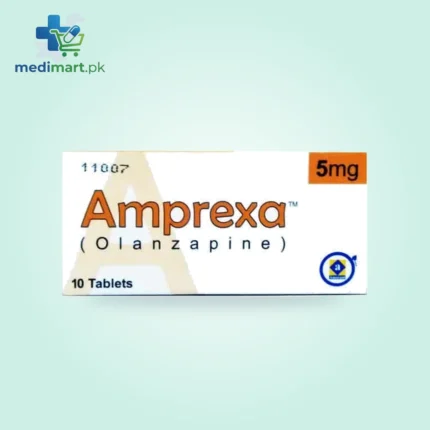
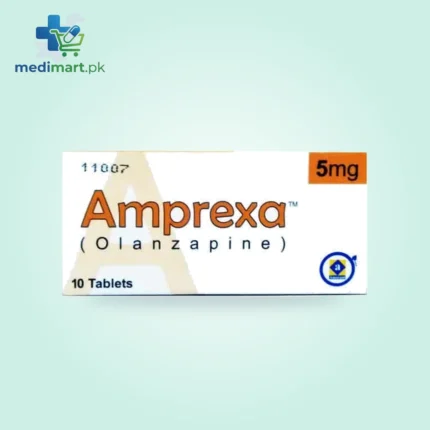
- Antipsychotics such as risperidone and olanzapine
- Lithium and valproate
- Anti-anxiety medicines
- Medicines for side effects
When to see a doctor
- Medicines are stopped suddenly
- There are thoughts of self-harm (seek urgent help)
- Behaviour changes sharply
- Side effects like stiffness or restlessness occur
Frequently asked questions
Can medicine be stopped when well?
No, stopping suddenly raises the risk of relapse, so only your psychiatrist should change it.
Do these medicines need blood tests?
Some, like lithium, do, so keep your follow-ups.
This information is for general awareness and is not a substitute for medical advice. Please consult a doctor or pharmacist before starting, changing or stopping any medicine.
✓Reviewed by Dr Asma
About Schizophrenia & Bipolar Disorder
Schizophrenia and bipolar disorder are serious, long-term mental health conditions that respond well to treatment and support.
Schizophrenia can cause hallucinations, delusions and disorganised thinking. Bipolar disorder causes episodes of mania (very high mood, little sleep, risky behaviour) and depression.
Medicines used for Schizophrenia & Bipolar Disorder
Treatment is led by a psychiatrist and includes antipsychotic medicines such as risperidone, olanzapine and quetiapine, and mood stabilisers such as lithium, valproate and lamotrigine, together with psychological and family support. Medicines should be taken regularly and not stopped suddenly.
When to see a doctor
Seek urgent help if someone is a danger to themselves or others, has thoughts of self-harm, or stops eating or sleeping.
This page is for general information only. Many of these medicines need a prescription; please use them only on the advice of a doctor or pharmacist, who can choose the right medicine and dose for you.