
- Shop by Generic (A-Z)
- Shop by Health Condition
- Acid Reflux & Stomach Ulcer
- Allergy & Hay Fever
- Arthritis & Joint Pain
- Cancer Care
- Chest Infection & Pneumonia
- Cold & Flu
- Diabetes
- Ear Infection
- Hepatitis & Liver Disease
- High Blood Pressure
- Infertility & PCOS
- Kidney Stones
- Pain Relief
- Period Pain
- Sinusitis
- Skin Infection
- Throat Infection & Tonsillitis
- Thyroid Disorders
- Typhoid
- Urinary Tract Infection (UTI)
- View All Health Conditions
- Herbal & Unani






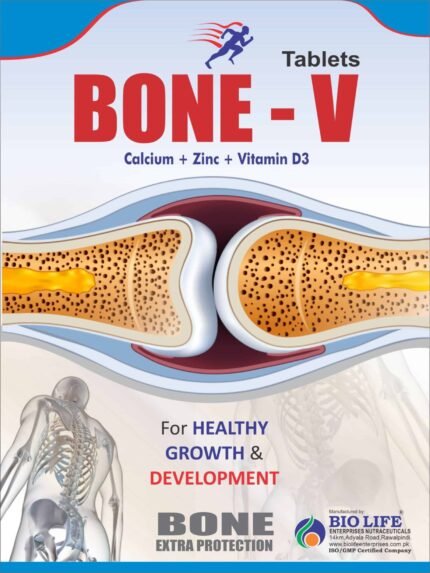




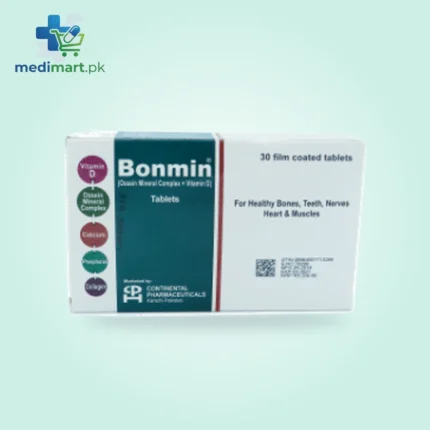
Health guides about Vitamin D Deficiency

About Vitamin D Deficiency
Vitamin D keeps bones and muscles strong. Low levels are very common, especially with little sun exposure, and are treated with supplements.
Common signs and symptoms
- Bone and back pain
- Muscle weakness or cramps
- Frequent tiredness
- Slow recovery from illness
Medicines and products you will find here
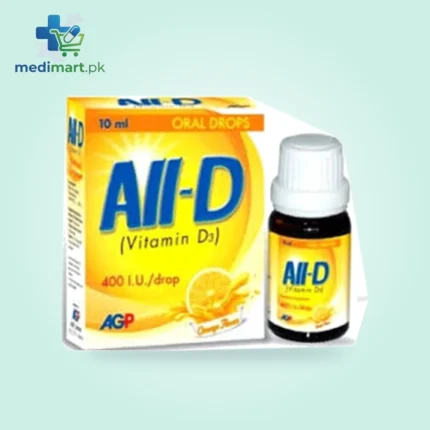
- Vitamin D3 sachets and capsules
- Weekly or monthly high-dose preparations
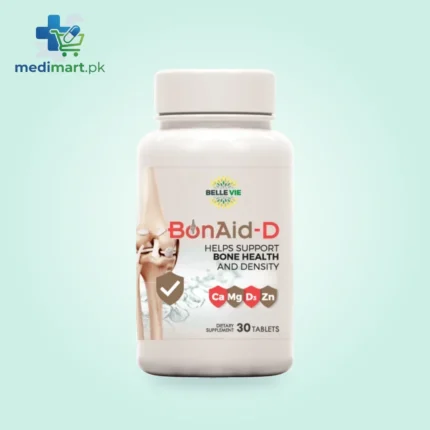
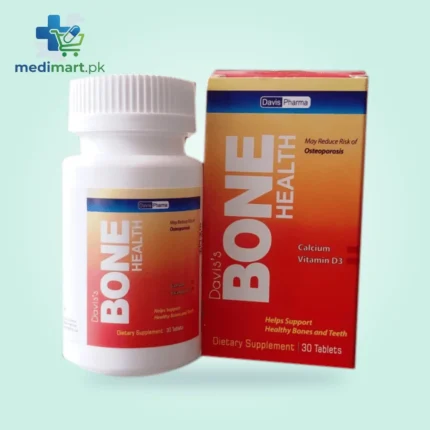
- Calcium plus D3 tablets
- Cod liver oil products
When to see a doctor
- Bone pain is severe
- You have a fracture
- A child shows delayed walking or bowed legs
- Levels remain low on treatment
Frequently asked questions
Is sunlight enough?
Sun helps, but many people with indoor routines or covered clothing still need supplements.
Can I take too much?
Yes, high doses over long periods can cause harm, so follow the plan.
This information is for general awareness and is not a substitute for medical advice. Please consult a doctor or pharmacist before starting, changing or stopping any medicine.
✓Reviewed by Dr Asma
About Vitamin D Deficiency
Vitamin D deficiency is very common in Pakistan despite plenty of sunshine, because of indoor lifestyles, covered clothing, diet and darker skin. Vitamin D is essential for strong bones and muscles.
It can cause tiredness, bone and back pain, muscle weakness and cramps. In children severe deficiency causes rickets, and in adults it causes soft bones (osteomalacia).
Medicines used for Vitamin D Deficiency
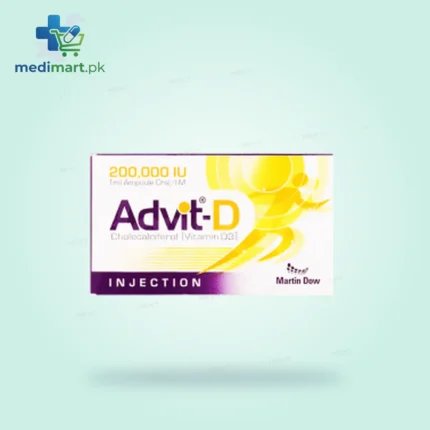
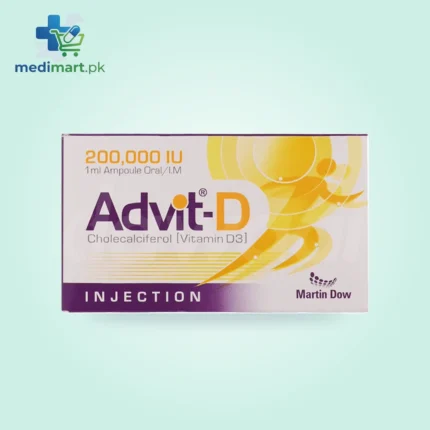
Deficiency is confirmed with a blood test and treated with vitamin D3 (cholecalciferol) as weekly or monthly capsules, sachets, drops or injections, often with calcium. Safe sun exposure and foods such as eggs and fortified milk help maintain levels.
When to see a doctor
Take high-strength vitamin D only as advised by a doctor, and recheck levels as recommended, since too much can raise calcium levels.
This page is for general information only. Many of these medicines need a prescription; please use them only on the advice of a doctor or pharmacist, who can choose the right medicine and dose for you.
Read our guide: Vitamin D Deficiency: Symptoms, Tests and Treatment














