
- Shop by Generic (A-Z)
- Shop by Health Condition
- Acid Reflux & Stomach Ulcer
- Allergy & Hay Fever
- Arthritis & Joint Pain
- Cancer Care
- Chest Infection & Pneumonia
- Cold & Flu
- Diabetes
- Ear Infection
- Hepatitis & Liver Disease
- High Blood Pressure
- Infertility & PCOS
- Kidney Stones
- Pain Relief
- Period Pain
- Sinusitis
- Skin Infection
- Throat Infection & Tonsillitis
- Thyroid Disorders
- Typhoid
- Urinary Tract Infection (UTI)
- View All Health Conditions
- Herbal & Unani














Health guides about Migraine

About Migraine
Migraine is a throbbing headache often with nausea and light sensitivity. Identifying triggers and treating early reduces its impact.
Common signs and symptoms
- Throbbing pain on one side
- Nausea and vomiting
- Sensitivity to light and sound
- Visual aura before the headache
Medicines and products you will find here
- Triptans such as sumatriptan
- Paracetamol and anti-inflammatory tablets
- Anti-nausea medicines
- Preventive tablets as prescribed
When to see a doctor
- Headache is sudden and severe
- You have weakness, speech problems or confusion
- Attacks are increasing
- You need painkillers on most days
Frequently asked questions
Do I take medicine early?
Yes, treating at the first sign often works better.
Can overusing painkillers cause headaches?
Yes, frequent use can cause rebound headaches.
This information is for general awareness and is not a substitute for medical advice. Please consult a doctor or pharmacist before starting, changing or stopping any medicine.
✓Reviewed by Dr Asma
About Migraine
Migraine is a common neurological condition that causes repeated, moderate to severe headaches, often on one side of the head.
Attacks can last from a few hours to three days and may come with nausea, vomiting, sensitivity to light and sound, and visual disturbances (aura).
Medicines used for Migraine
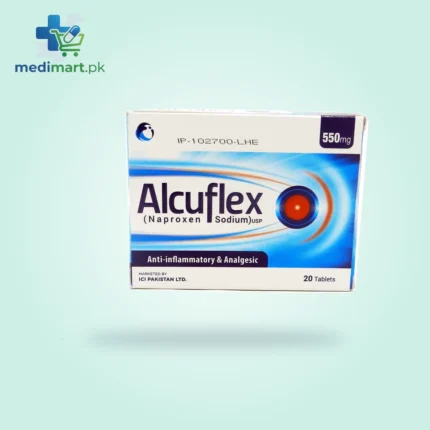
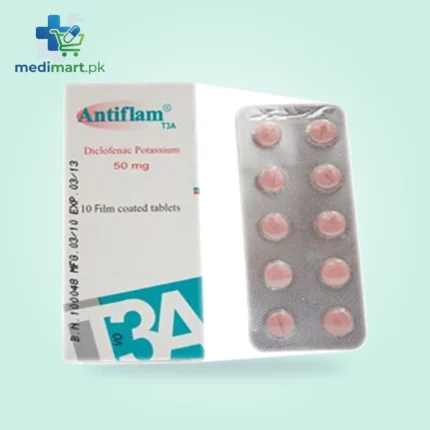
Attacks are treated early with painkillers such as paracetamol, ibuprofen, naproxen or diclofenac potassium, sometimes with an anti-sickness medicine, or with triptans prescribed by a doctor. Frequent migraines may need preventive medicines such as propranolol, topiramate, amitriptyline or valproate. Regular sleep, meals and water help reduce attacks.
When to see a doctor
Get urgent help for a sudden, severe "worst ever" headache, headache with fever and a stiff neck, weakness, confusion or loss of vision.
This page is for general information only. Many of these medicines need a prescription; please use them only on the advice of a doctor or pharmacist, who can choose the right medicine and dose for you.
Read our health guide: Migraine: Symptoms, Triggers and Treatment That Actually Helps














