
- Shop by Generic (A-Z)
- Shop by Health Condition
- Acid Reflux & Stomach Ulcer
- Allergy & Hay Fever
- Arthritis & Joint Pain
- Cancer Care
- Chest Infection & Pneumonia
- Cold & Flu
- Diabetes
- Ear Infection
- Hepatitis & Liver Disease
- High Blood Pressure
- Infertility & PCOS
- Kidney Stones
- Pain Relief
- Period Pain
- Sinusitis
- Skin Infection
- Throat Infection & Tonsillitis
- Thyroid Disorders
- Typhoid
- Urinary Tract Infection (UTI)
- View All Health Conditions
- Herbal & Unani





Health guides about Thyroid Disorders
 Hypothyroidism: Symptoms in Women, Causes and TreatmentYou are tired all the time, even after a full night of sleep. You feel cold when everyone else is comfortable, your...Read the guide →
 Hyperthyroidism: Overactive Thyroid Symptoms, Causes and TreatmentRacing heart, shaky hands, sweating in a cool room, weight falling even though you are eating well. When these show up together,...Read the guide →
About Thyroid Disorders
The thyroid gland controls metabolism. An underactive thyroid slows the body, while an overactive one speeds it up, and both are managed with regular blood tests and medicine.
Common signs and symptoms
- Tiredness, weight gain and feeling cold (underactive)
- Weight loss, sweating and palpitations (overactive)
- Swelling in the neck
- Hair thinning
Medicines and products you will find here
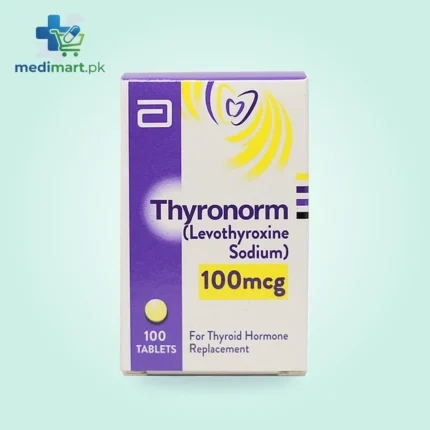
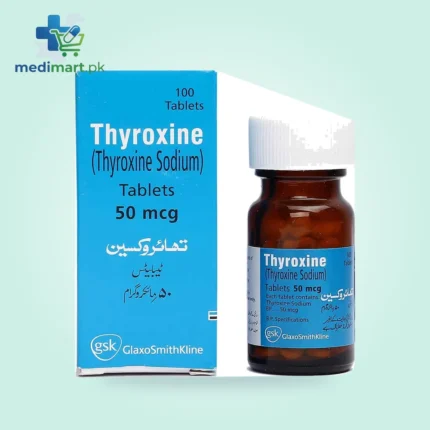
- Levothyroxine
- Carbimazole
- Propranolol for symptom relief
- Calcium and vitamin supplements as advised
When to see a doctor
- You have fast or irregular heartbeat
- You notice neck swelling or trouble swallowing
- You are pregnant
- Symptoms persist despite treatment
Frequently asked questions
When should levothyroxine be taken?
Usually in the morning on an empty stomach, 30 to 60 minutes before food.
How often are tests needed?
Usually every 6 to 12 months once stable.
This information is for general awareness and is not a substitute for medical advice. Please consult a doctor or pharmacist before starting, changing or stopping any medicine.
✓Reviewed by Dr Asma
About Thyroid Disorders
The thyroid is a small gland in the neck that controls how the body uses energy. An underactive thyroid (hypothyroidism) is common in Pakistan, especially in women, and causes tiredness, weight gain, feeling cold, dry skin and constipation.
An overactive thyroid (hyperthyroidism, often Graves' disease) causes weight loss, a fast heartbeat, sweating, shaking and anxiety. A goitre is a swelling of the thyroid gland. Both are diagnosed with blood tests (TSH, T4).
Medicines used for Thyroid Disorders
Hypothyroidism is treated with levothyroxine (thyroxine) taken every morning on an empty stomach, with the dose adjusted by blood tests. An overactive thyroid is treated with carbimazole or propylthiouracil, and propranolol can ease a fast heartbeat and shaking while these start to work.
When to see a doctor
See a doctor if you have symptoms of thyroid disease, a swelling in your neck, or if you are pregnant or planning pregnancy while on thyroid medicine. Seek urgent help for a very fast heartbeat, high fever and confusion, or for a sore throat and fever while taking carbimazole.
This page is for general information only. Many of these medicines need a prescription; please use them only on the advice of a doctor or pharmacist, who can choose the right medicine and dose for you.
Read our health guides: Hyperthyroidism: Overactive Thyroid Symptoms, Causes and Treatment | Hypothyroidism: Symptoms in Women, Causes and Treatment














