
- Shop by Generic (A-Z)
- Shop by Health Condition
- Acid Reflux & Stomach Ulcer
- Allergy & Hay Fever
- Arthritis & Joint Pain
- Cancer Care
- Chest Infection & Pneumonia
- Cold & Flu
- Diabetes
- Ear Infection
- Hepatitis & Liver Disease
- High Blood Pressure
- Infertility & PCOS
- Kidney Stones
- Pain Relief
- Period Pain
- Sinusitis
- Skin Infection
- Throat Infection & Tonsillitis
- Thyroid Disorders
- Typhoid
- Urinary Tract Infection (UTI)
- View All Health Conditions
- Herbal & Unani
Hyperthyroidism: Overactive Thyroid Symptoms, Causes and Treatment

✓Reviewed by Dr Asma
Racing heart, shaky hands, sweating in a cool room, weight falling even though you are eating well. When these show up together, many people blame stress or a “weak constitution”. Often the real cause is an overactive thyroid. It is far less talked about than an underactive thyroid, but it can be just as disruptive, and it is easily treated once it is identified.
What is hyperthyroidism?
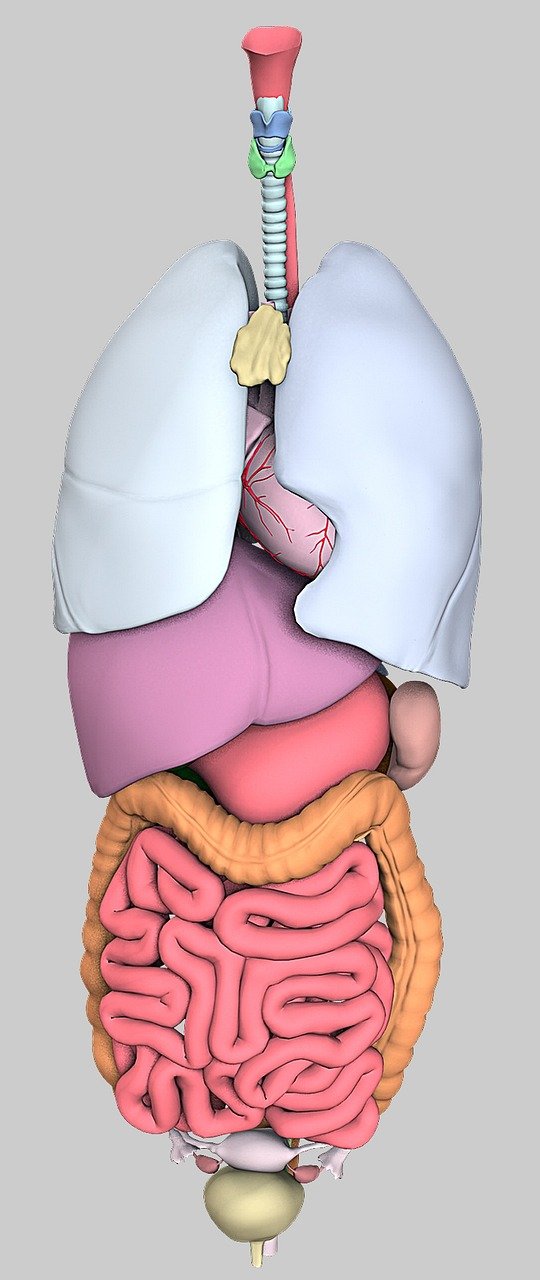
The thyroid is a small butterfly-shaped gland at the front of your neck. It makes hormones that control how fast your body uses energy. In hyperthyroidism the gland makes too much, so everything speeds up. It is the opposite of hypothyroidism, and it is more common in women than in men.
Common causes
- Graves’ disease: an autoimmune condition and the most common cause. It can also cause bulging, gritty eyes.
- Thyroid nodules: one or more lumps that produce too much hormone.
- Thyroiditis: temporary inflammation of the gland, which can follow a viral illness or pregnancy.
- Too much thyroid medicine: taking more levothyroxine than you need, or an incorrect dose.
- Excess iodine from some supplements or medicines.
Symptoms
- Fast or irregular heartbeat and palpitations
- Weight loss despite a normal or increased appetite
- Nervousness, anxiety, irritability and trouble sleeping
- Tremor of the hands
- Heat intolerance and heavy sweating
- Frequent bowel movements
- Lighter or missed periods
- Thinning hair, muscle weakness and tiredness
- A swelling or fullness at the front of the neck (goitre)
- Eye changes in Graves’ disease: redness, puffiness, bulging, double vision
Many of these look like anxiety, and people are sometimes treated for panic attacks for months before a thyroid test is done. In older adults it can be quieter, showing up only as weight loss, weakness or an irregular heartbeat.
Diagnosis
The basic test is a blood test for TSH, along with free T4 and sometimes T3. In hyperthyroidism TSH is low and thyroid hormones are high. Your doctor may add thyroid antibody tests, an ultrasound of the neck, or a thyroid scan to find the cause.
Treatment options
- Anti-thyroid medicines (such as carbimazole or methimazole) reduce hormone production. These are often continued for 12 to 18 months and need regular blood tests.
- Beta blockers such as propranolol do not treat the cause but quickly calm the racing heart, tremor and anxiety while other treatment starts working.
- Radioactive iodine is a one-time treatment that shrinks the overactive gland. It often leads to an underactive thyroid later, which is treated with daily thyroid tablets.
- Surgery to remove all or part of the thyroid is used for large goitres, suspicious nodules, or when other treatments are not suitable.
Which treatment is right depends on the cause, your age, whether you are pregnant or planning pregnancy, and your eye health. This must be decided by an endocrinologist or physician.
Pregnancy and hyperthyroidism
If you are pregnant or planning a baby, tell your doctor before starting or stopping any thyroid medicine. Untreated hyperthyroidism can affect both mother and baby, but some medicines are not suitable at certain stages, so the plan needs close supervision.
Is a thyroid lump always cancer?
No. Most thyroid lumps (nodules) are harmless. Still, any new lump in the neck, a hoarse voice that lasts more than a few weeks, trouble swallowing, or a lump that grows quickly should be checked. Doctors use an ultrasound and sometimes a fine needle test to look at the cells. Thyroid cancer is uncommon, usually grows slowly, and has a very good outlook in most people when found early and treated by a specialist. It is not caused by thyroid medicines. If you have been told you have a lump, please do not panic and do not rely on herbal or internet cures.
Living with an overactive thyroid
- Take medicines exactly as prescribed and do not stop when you start feeling better.
- Keep your blood test appointments.
- Avoid smoking, which worsens Graves’ eye disease.
- Limit coffee and strong tea if you have palpitations or trouble sleeping.
- Do not take iodine, kelp or “thyroid support” supplements unless advised by your doctor.
- Eat enough calories and protein to regain lost weight.
When to see a doctor
- Racing or irregular heartbeat, or unexplained weight loss
- Persistent tremor, sweating and anxiety
- A swelling in the neck, or difficulty swallowing or breathing
- Bulging or painful eyes, or double vision
- Fever, very fast heartbeat, confusion or vomiting in someone with known hyperthyroidism, which needs emergency care
Key takeaways
- An overactive thyroid causes fast heartbeat, weight loss, sweating and anxiety, and can be mistaken for stress.
- A simple blood test (TSH, T4) gives the diagnosis.
- Medicines, radioactive iodine or surgery are all effective. Treatment is chosen by your doctor.
- Most thyroid lumps are not cancer, but every new neck lump should be examined.
Related medicines on Medimart
- Propranolol: a beta blocker doctors use to control palpitations and tremor
- Levothyroxine: used for underactive thyroid, or after thyroid treatment, only at a dose set by your doctor
Browse thyroid care products on Medimart, delivered across Pakistan. Prescription medicines are supplied only against a valid prescription and should be used only as advised by your doctor.
This guide is for general information and does not replace advice from a doctor.














