
- Shop by Generic (A-Z)
- Shop by Health Condition
- Acid Reflux & Stomach Ulcer
- Allergy & Hay Fever
- Arthritis & Joint Pain
- Cancer Care
- Chest Infection & Pneumonia
- Cold & Flu
- Diabetes
- Ear Infection
- Hepatitis & Liver Disease
- High Blood Pressure
- Infertility & PCOS
- Kidney Stones
- Pain Relief
- Period Pain
- Sinusitis
- Skin Infection
- Throat Infection & Tonsillitis
- Thyroid Disorders
- Typhoid
- Urinary Tract Infection (UTI)
- View All Health Conditions
- Herbal & Unani














Health guides about Period Pain

About Period Pain
Period pain (dysmenorrhoea) is cramping in the lower abdomen before or during periods. Most women get mild pain, which responds to simple medicines and heat.
Common signs and symptoms
- Cramping low belly pain
- Back and thigh ache
- Nausea or headache
- Mood changes
Medicines and products you will find here
- Mefenamic acid and ibuprofen
- Antispasmodics such as hyoscine
- Hot-water bags and heat patches
- Supplements as advised
When to see a doctor
- Pain is severe or disrupts daily life
- Periods are very heavy
- Pain begins suddenly after years of comfort
- You have fever or unusual discharge
Frequently asked questions
When should I take the painkiller?
Starting at the first sign of pain often works best.
Does exercise help?
Gentle exercise can reduce cramps for many women.
This information is for general awareness and is not a substitute for medical advice. Please consult a doctor or pharmacist before starting, changing or stopping any medicine.
✓Reviewed by Dr Asma
About Period Pain
Period pain (dysmenorrhoea) is cramping in the lower abdomen before or during a period. It is very common and usually caused by prostaglandins that make the womb contract.
Pain may spread to the back and thighs and can come with nausea, loose stools, headache or tiredness. Some women also have heavy menstrual bleeding.
Medicines used for Period Pain
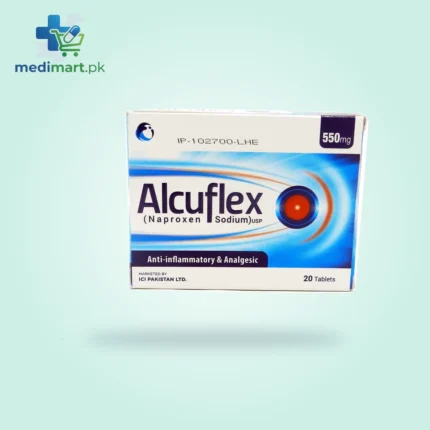
Anti-inflammatory painkillers such as mefenamic acid, ibuprofen, naproxen and diclofenac are often most effective, especially when started at the first sign of pain. Paracetamol, a hot water bottle and light exercise also help. Mefenamic acid and tranexamic acid can reduce heavy bleeding.
When to see a doctor
See a doctor if pain is severe, has recently got worse, comes with very heavy or irregular bleeding, pain during sex, or fever, as these can be signs of conditions such as endometriosis or fibroids.
This page is for general information only. Many of these medicines need a prescription; please use them only on the advice of a doctor or pharmacist, who can choose the right medicine and dose for you.
Read our health guide: Severe Period Pain: Causes, Relief and When to See a Doctor














