
- Shop by Generic (A-Z)
- Shop by Health Condition
- Acid Reflux & Stomach Ulcer
- Allergy & Hay Fever
- Arthritis & Joint Pain
- Cancer Care
- Chest Infection & Pneumonia
- Cold & Flu
- Diabetes
- Ear Infection
- Hepatitis & Liver Disease
- High Blood Pressure
- Infertility & PCOS
- Kidney Stones
- Pain Relief
- Period Pain
- Sinusitis
- Skin Infection
- Throat Infection & Tonsillitis
- Thyroid Disorders
- Typhoid
- Urinary Tract Infection (UTI)
- View All Health Conditions
- Herbal & Unani














About Muscle Pain & Spasm
Muscle pain and spasms follow strain, overuse or poor posture. Rest, heat and short courses of muscle relaxants or gels usually help.
Common signs and symptoms
- Tight, sore muscles
- Sudden cramps
- Back or neck stiffness
- Pain on movement
Medicines and products you will find here
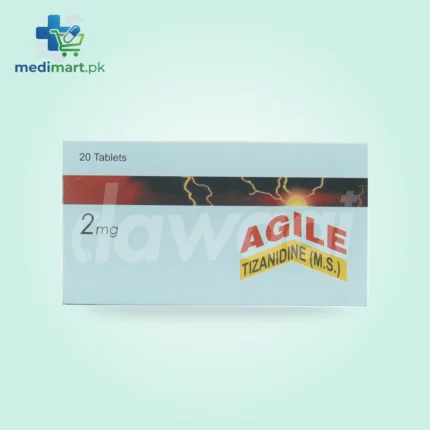
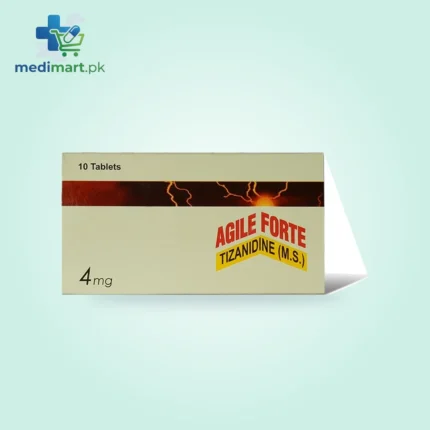
- Muscle relaxants such as tizanidine and thiocolchicoside
- Diclofenac gels and sprays
- Painkiller tablets
- Heat packs and balms
When to see a doctor
- Pain follows a major injury
- You have numbness or weakness
- Pain lasts over two weeks
- You cannot pass urine or stool normally
Frequently asked questions
Are muscle relaxants habit-forming?
Short courses are generally safe, but they can cause drowsiness.
Should I use heat or ice?
Ice for fresh injuries, heat for stiffness.
This information is for general awareness and is not a substitute for medical advice. Please consult a doctor or pharmacist before starting, changing or stopping any medicine.
✓Reviewed by Dr Asma
About Muscle Pain & Spasm
Muscle pain and spasm often follow strains, sprains, poor posture or overuse, and commonly affect the back and neck.
Symptoms include aching, tightness, painful spasms, stiffness and difficulty moving the affected area.
Medicines used for Muscle Pain & Spasm
Treatment includes rest, heat or cold packs, gentle stretching, and painkillers such as paracetamol, ibuprofen or diclofenac gels. Muscle relaxants such as tizanidine or orphenadrine combinations may be prescribed for short periods to relieve spasm.
When to see a doctor
See a doctor if pain follows a fall or accident, comes with numbness, weakness, loss of bladder control or fever, or does not improve within a few weeks.
This page is for general information only. Many of these medicines need a prescription; please use them only on the advice of a doctor or pharmacist, who can choose the right medicine and dose for you.














