
- Shop by Generic (A-Z)
- Shop by Health Condition
- Acid Reflux & Stomach Ulcer
- Allergy & Hay Fever
- Arthritis & Joint Pain
- Cancer Care
- Chest Infection & Pneumonia
- Cold & Flu
- Diabetes
- Ear Infection
- Hepatitis & Liver Disease
- High Blood Pressure
- Infertility & PCOS
- Kidney Stones
- Pain Relief
- Period Pain
- Sinusitis
- Skin Infection
- Throat Infection & Tonsillitis
- Thyroid Disorders
- Typhoid
- Urinary Tract Infection (UTI)
- View All Health Conditions
- Herbal & Unani













Health guides about Kidney Stones

About Kidney Stones
Kidney stones are hard deposits that form in the kidney and can cause severe pain when they move. Small stones often pass with fluids and pain relief.
Common signs and symptoms
- Severe pain in the side or back
- Pain spreading to the groin
- Blood in urine
- Nausea and frequent urge to urinate
Medicines and products you will find here
- Painkillers and antispasmodics
- Tamsulosin to help passage
- Potassium citrate
- Plenty of water
When to see a doctor
- You have fever with pain
- You cannot pass urine
- Pain is unbearable
- You vomit repeatedly
Frequently asked questions
How much water should I drink?
Enough to pass about 2 to 2.5 litres of urine a day, unless advised otherwise.
Can stones come back?
Yes, so hydration and diet changes help prevent them.
This information is for general awareness and is not a substitute for medical advice. Please consult a doctor or pharmacist before starting, changing or stopping any medicine.
✓Reviewed by Dr Asma
About Kidney Stones
Kidney stones are hard deposits that form in the kidneys from minerals in the urine. They are common in Pakistan because of the hot climate and not drinking enough water.
A stone moving down the urine tube causes severe pain in the side or back that spreads to the groin (renal colic), often with nausea and blood in the urine.
Medicines used for Kidney Stones
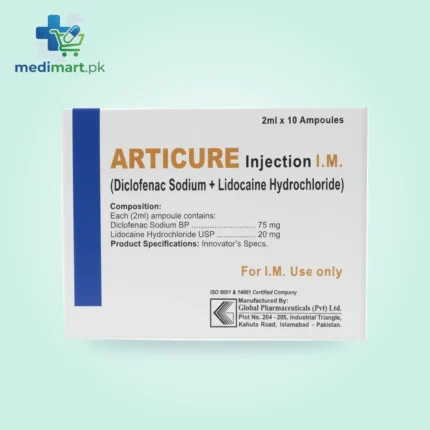
Pain is treated with painkillers such as diclofenac or ketorolac. Tamsulosin helps small stones pass. Potassium citrate makes urine less acidic and helps prevent some stones, and allopurinol is used for uric acid stones. Drinking plenty of water every day is the most important prevention.
When to see a doctor
Seek urgent help for severe pain that painkillers do not control, fever with pain, vomiting, or if you pass very little urine. Larger stones may need removal by a urologist.
This page is for general information only. Many of these medicines need a prescription; please use them only on the advice of a doctor or pharmacist, who can choose the right medicine and dose for you.
Read our health guide: Kidney Stones: Symptoms, Causes, Treatment and Prevention