
- Shop by Generic (A-Z)
- Shop by Health Condition
- Acid Reflux & Stomach Ulcer
- Allergy & Hay Fever
- Arthritis & Joint Pain
- Cancer Care
- Chest Infection & Pneumonia
- Cold & Flu
- Diabetes
- Ear Infection
- Hepatitis & Liver Disease
- High Blood Pressure
- Infertility & PCOS
- Kidney Stones
- Pain Relief
- Period Pain
- Sinusitis
- Skin Infection
- Throat Infection & Tonsillitis
- Thyroid Disorders
- Typhoid
- Urinary Tract Infection (UTI)
- View All Health Conditions
- Herbal & Unani






About Angina (Chest Pain)
Angina is chest pain or tightness caused by reduced blood flow to the heart muscle, usually during effort or stress. It is a warning sign of heart disease and needs medical follow-up.
Common signs and symptoms
- Pressure or tightness in the chest
- Pain spreading to the arm, jaw or back
- Breathlessness on exertion
- Pain that eases with rest
Medicines and products you will find here
- Nitrates such as GTN and isosorbide
- Beta blockers
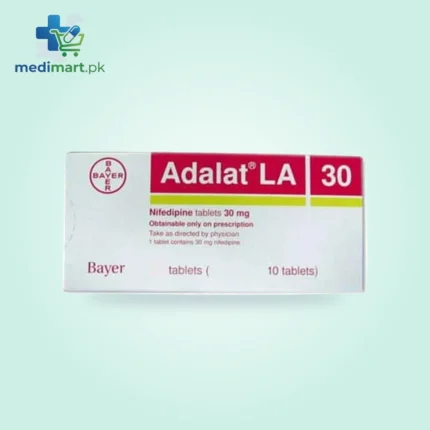
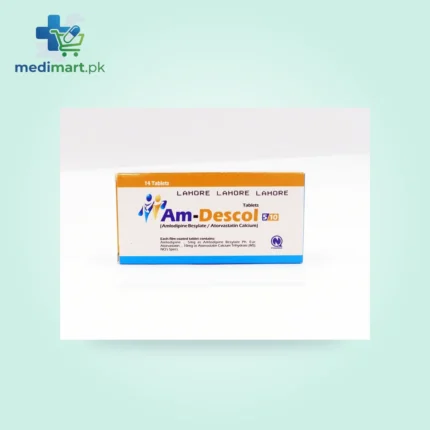
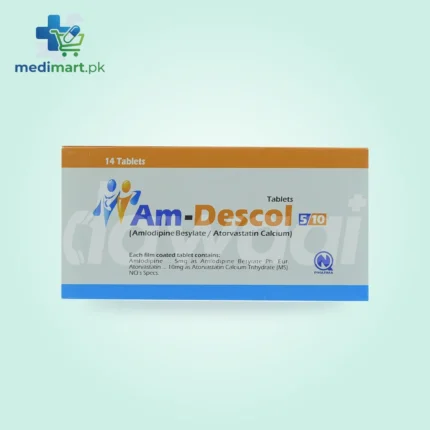
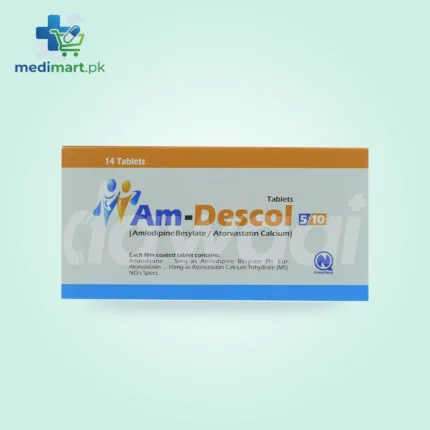
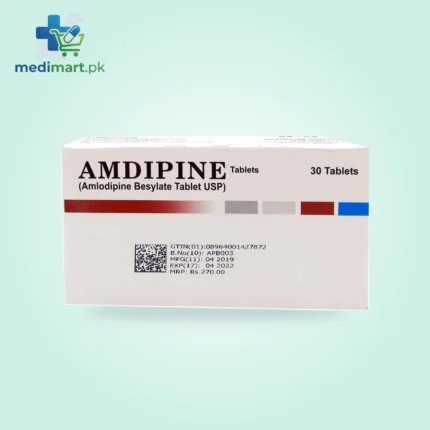
- Calcium channel blockers
- Aspirin and cholesterol medicines as prescribed
When to see a doctor
- Chest pain lasts more than 15 minutes
- Pain occurs at rest or is getting worse
- You faint or have cold sweats
- GTN does not relieve the pain
Frequently asked questions
How is a GTN tablet used?
It is usually placed under the tongue at the first sign of pain, as your doctor has shown you.
Can I exercise with angina?
Gentle, doctor-approved activity helps, but stop and rest if pain starts.
This information is for general awareness and is not a substitute for medical advice. Please consult a doctor or pharmacist before starting, changing or stopping any medicine.
✓Reviewed by Dr Asma
About Angina (Chest Pain)
Angina is chest pain caused by reduced blood flow to the heart muscle, usually because of narrowed coronary arteries.
It feels like tightness, pressure or heaviness in the chest that may spread to the arm, neck or jaw, typically brought on by exertion or stress and relieved by rest.
Medicines used for Angina (Chest Pain)
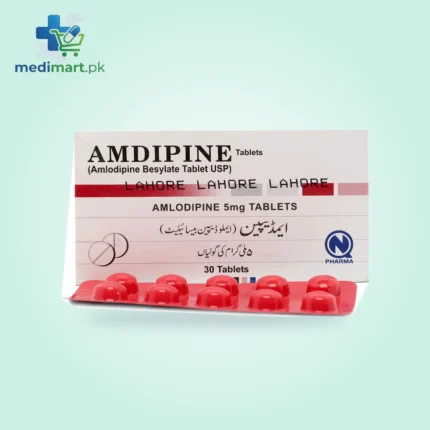
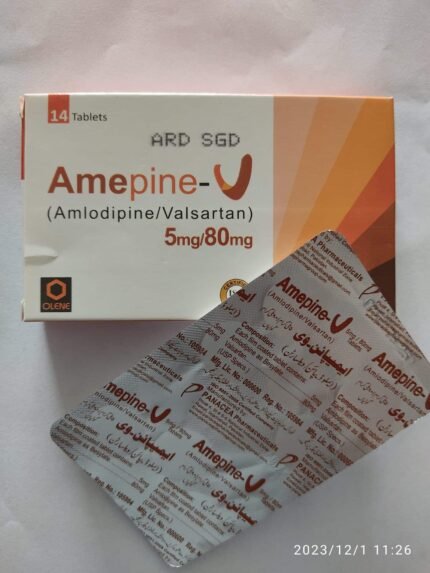
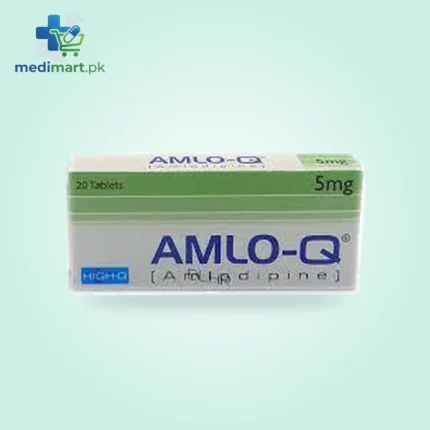
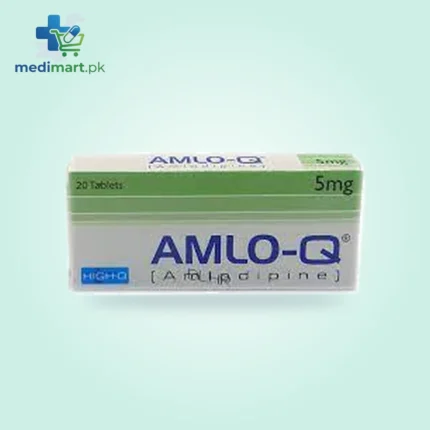
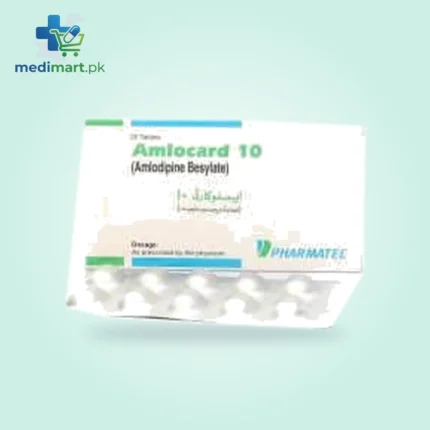
Glyceryl trinitrate sprays or tablets relieve attacks quickly, while long-acting medicines such as isosorbide mononitrate, amlodipine and beta-blockers like bisoprolol or atenolol prevent them. Aspirin, clopidogrel and statins reduce the risk of heart attack.
When to see a doctor
Call for emergency help if chest pain lasts more than a few minutes, is severe, occurs at rest, or does not settle after using your nitrate spray.
This page is for general information only. Many of these medicines need a prescription; please use them only on the advice of a doctor or pharmacist, who can choose the right medicine and dose for you.














