- Shop by Generic (A-Z)
- Shop by Health Condition
- Acid Reflux & Stomach Ulcer
- Allergy & Hay Fever
- Arthritis & Joint Pain
- Cancer Care
- Chest Infection & Pneumonia
- Cold & Flu
- Diabetes
- Ear Infection
- Hepatitis & Liver Disease
- High Blood Pressure
- Infertility & PCOS
- Kidney Stones
- Pain Relief
- Period Pain
- Sinusitis
- Skin Infection
- Throat Infection & Tonsillitis
- Thyroid Disorders
- Typhoid
- Urinary Tract Infection (UTI)
- View All Health Conditions
- Herbal & Unani






Health guides about Acne
About Acne
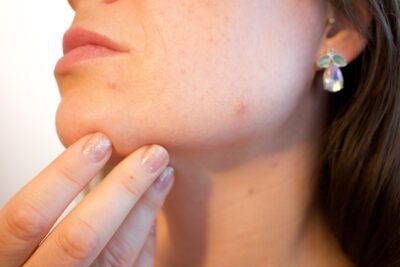
Acne happens when pores block with oil and dead skin and become inflamed. Teenagers and adults can both be affected, and early treatment prevents scarring.
Common signs and symptoms
- Pimples and blackheads
- Red, painful bumps
- Oily skin
- Marks and scars after healing
Medicines and products you will find here
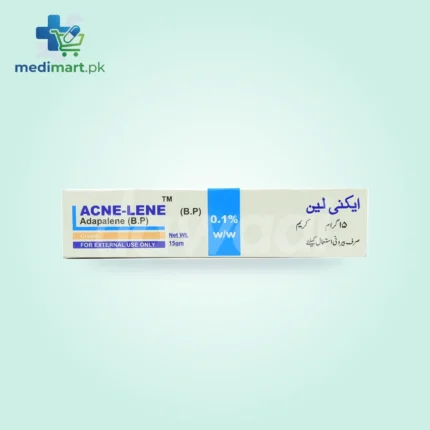
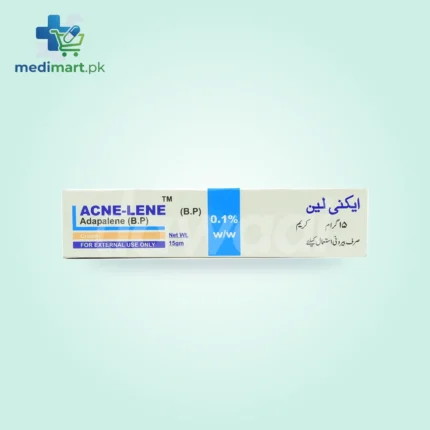
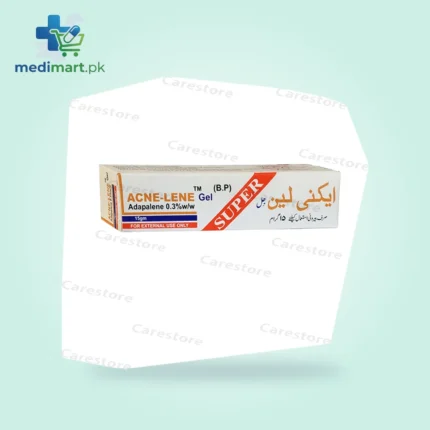
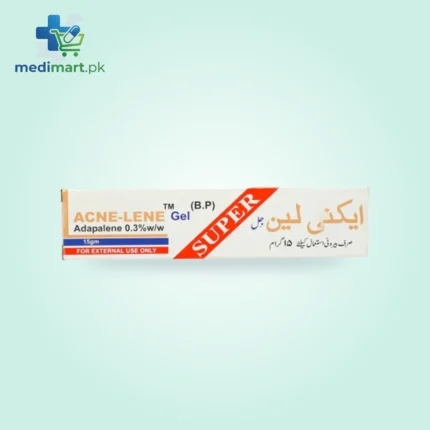
- Benzoyl peroxide and adapalene
- Clindamycin gels
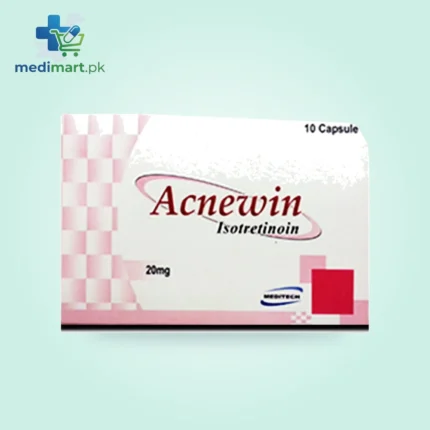
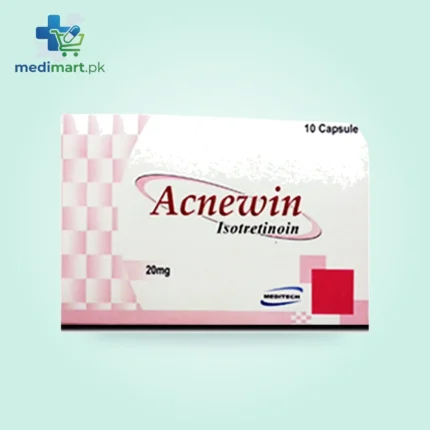
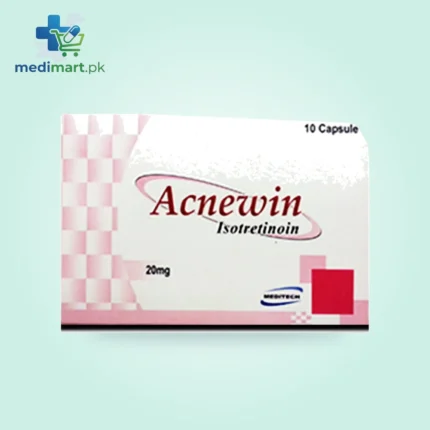
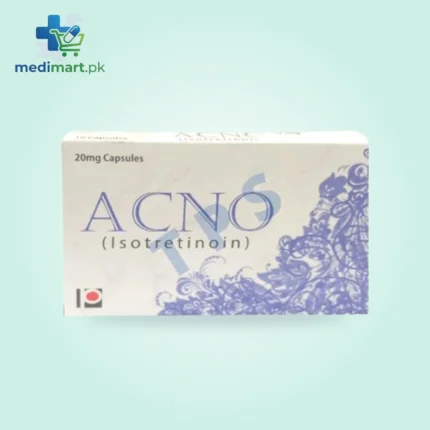
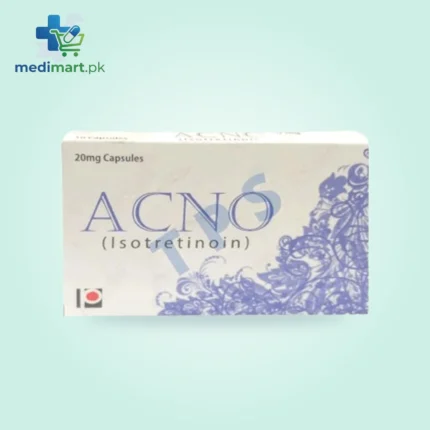
- Oral antibiotics and isotretinoin by prescription
- Gentle cleansers and sunscreen
When to see a doctor
- Acne is deep, painful or leaves scars
- No improvement after 8 weeks
- It affects your confidence
- You are pregnant or planning pregnancy
Frequently asked questions
How long does acne treatment take?
Most treatments need 6 to 8 weeks before improvement is clear.
Should I squeeze pimples?
No, it can cause infection and scars.
This information is for general awareness and is not a substitute for medical advice. Please consult a doctor or pharmacist before starting, changing or stopping any medicine.
✓Reviewed by Dr Asma
About Acne
Acne is a skin condition in which hair follicles become blocked with oil and dead skin, leading to spots. It is most common in teenagers but can continue into adulthood.
It causes blackheads, whiteheads, red spots, pus-filled pimples and, in severe cases, painful nodules and cysts that can scar.
Medicines used for Acne
Mild acne is treated with creams and gels containing benzoyl peroxide, adapalene, isotretinoin or clindamycin. Moderate acne may need antibiotic tablets such as doxycycline, and severe acne may be treated with oral isotretinoin under a doctor’s supervision. A gentle face wash and non-greasy, non-comedogenic products help.
When to see a doctor
See a dermatologist for acne that is scarring, painful, or not improving after a few months, or if it affects your confidence.
This page is for general information only. Many of these medicines need a prescription; please use them only on the advice of a doctor or pharmacist, who can choose the right medicine and dose for you.
Read our health guide: Acne and Pimples: Causes, Treatment and What Actually Works