
- Shop by Generic (A-Z)
- Shop by Health Condition
- Acid Reflux & Stomach Ulcer
- Allergy & Hay Fever
- Arthritis & Joint Pain
- Cancer Care
- Chest Infection & Pneumonia
- Cold & Flu
- Diabetes
- Ear Infection
- Hepatitis & Liver Disease
- High Blood Pressure
- Infertility & PCOS
- Kidney Stones
- Pain Relief
- Period Pain
- Sinusitis
- Skin Infection
- Throat Infection & Tonsillitis
- Thyroid Disorders
- Typhoid
- Urinary Tract Infection (UTI)
- View All Health Conditions
- Herbal & Unani







Health guides about Nausea & Vomiting

About Nausea & Vomiting
Nausea and vomiting can follow infection, food poisoning, motion, pregnancy, migraine or medicines. Short episodes settle with rest and fluids, while repeated vomiting needs care to prevent dehydration.
Common signs and symptoms
- Queasy feeling and loss of appetite
- Repeated vomiting
- Stomach cramps
- Dizziness from fluid loss
Medicines and products you will find here
- Domperidone and metoclopramide
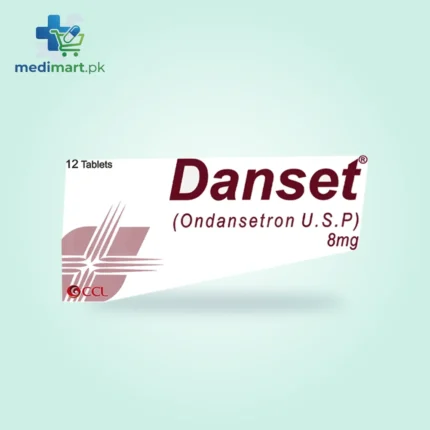
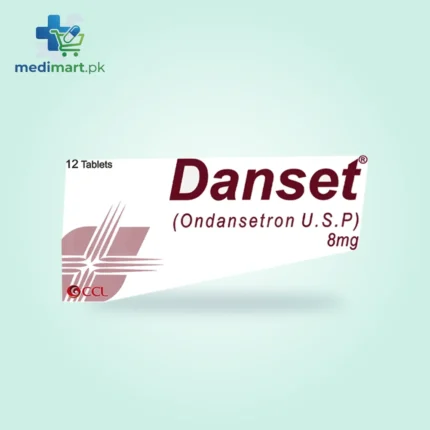
- Ondansetron on prescription
- ORS sachets
- Ginger-based and travel sickness products
When to see a doctor
- You cannot keep fluids down for a day
- There is blood in vomit
- Severe stomach pain or high fever
- You are pregnant with constant vomiting
Frequently asked questions
Should I eat when nauseous?
Start with sips of fluid, then bland foods like toast or rice once it settles.
Are anti-nausea tablets safe for children?
Only as a doctor or pharmacist advises, because dose depends on age and weight.
This information is for general awareness and is not a substitute for medical advice. Please consult a doctor or pharmacist before starting, changing or stopping any medicine.
✓Reviewed by Dr Asma
About Nausea & Vomiting
Nausea and vomiting have many causes, including stomach infections, food poisoning, pregnancy, migraine, motion sickness and medicines such as chemotherapy.
Repeated vomiting can quickly cause dehydration, especially in children and older people.
Medicines used for Nausea & Vomiting
Medicines such as ondansetron, domperidone and levosulpiride relieve nausea and vomiting. Oral rehydration solution (ORS), taken in small frequent sips, replaces lost fluids and salts.
When to see a doctor
Get urgent help if you cannot keep fluids down, if a child has fewer wet nappies or is very drowsy, or if vomiting comes with severe abdominal pain, blood or a severe headache.
This page is for general information only. Many of these medicines need a prescription; please use them only on the advice of a doctor or pharmacist, who can choose the right medicine and dose for you.