
- Shop by Generic (A-Z)
- Shop by Health Condition
- Acid Reflux & Stomach Ulcer
- Allergy & Hay Fever
- Arthritis & Joint Pain
- Cancer Care
- Chest Infection & Pneumonia
- Cold & Flu
- Diabetes
- Ear Infection
- Hepatitis & Liver Disease
- High Blood Pressure
- Infertility & PCOS
- Kidney Stones
- Pain Relief
- Period Pain
- Sinusitis
- Skin Infection
- Throat Infection & Tonsillitis
- Thyroid Disorders
- Typhoid
- Urinary Tract Infection (UTI)
- View All Health Conditions
- Herbal & Unani






About Allergy & Hay Fever
Allergies and hay fever are immune reactions to pollen, dust, food or animal hair. Antihistamines and nasal sprays control most symptoms, while avoiding triggers prevents flare-ups.
Common signs and symptoms
- Sneezing and runny nose
- Itchy or watery eyes
- Skin rash or hives
- Blocked nose and cough
Medicines and products you will find here
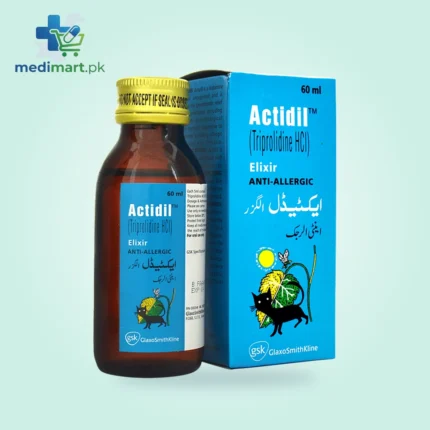
- Cetirizine, loratadine and fexofenadine
- Steroid and antihistamine nasal sprays
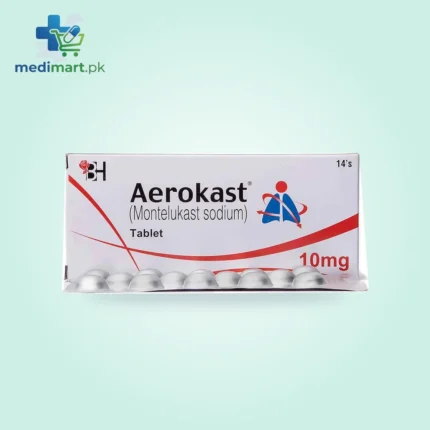
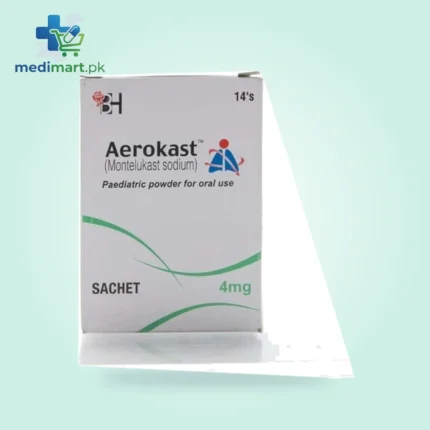
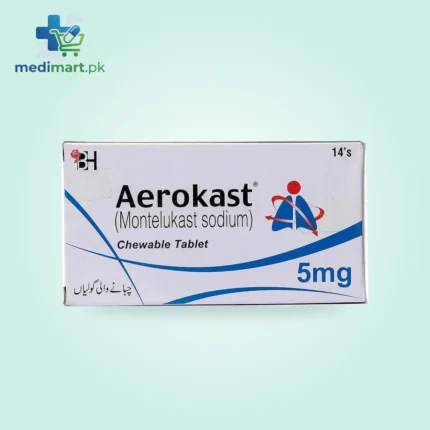
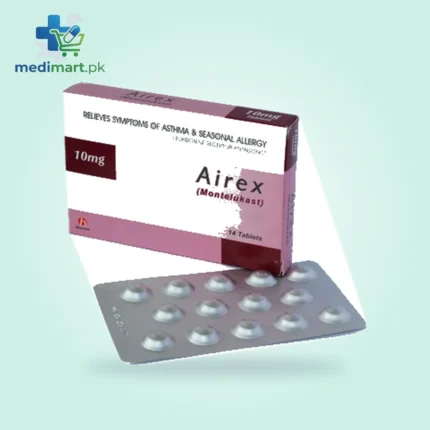
- Montelukast
- Allergy eye drops
When to see a doctor
- You have swelling of lips or throat, or trouble breathing (emergency)
- Symptoms disturb sleep or work
- Over-the-counter tablets are not helping
- A child has repeated allergic symptoms
Frequently asked questions
Do antihistamines cause drowsiness?
Older types do, while newer ones like loratadine and fexofenadine usually cause less.
How can I reduce triggers?
Keep windows closed in pollen season, wash bedding often and use dust covers.
This information is for general awareness and is not a substitute for medical advice. Please consult a doctor or pharmacist before starting, changing or stopping any medicine.
✓Reviewed by Dr Asma
About Allergy & Hay Fever
Allergic rhinitis (hay fever) is the immune system’s reaction to pollen, dust mites, mould or pet dander. It can be seasonal or year-round.
Symptoms include sneezing, a runny or blocked nose, itchy nose and throat, and itchy, watery eyes.
Medicines used for Allergy & Hay Fever
Non-drowsy antihistamines such as fexofenadine, loratadine, desloratadine, levocetirizine, cetirizine and ebastine relieve most symptoms. Nasal steroid sprays help with persistent blockage, and montelukast may be added for people who also have asthma. Avoiding triggers helps.
When to see a doctor
Seek emergency help for swelling of the lips, tongue or throat, or difficulty breathing, which are signs of a severe allergic reaction.
This page is for general information only. Many of these medicines need a prescription; please use them only on the advice of a doctor or pharmacist, who can choose the right medicine and dose for you.














