
- Shop by Generic (A-Z)
- Shop by Health Condition
- Acid Reflux & Stomach Ulcer
- Allergy & Hay Fever
- Arthritis & Joint Pain
- Cancer Care
- Chest Infection & Pneumonia
- Cold & Flu
- Diabetes
- Ear Infection
- Hepatitis & Liver Disease
- High Blood Pressure
- Infertility & PCOS
- Kidney Stones
- Pain Relief
- Period Pain
- Sinusitis
- Skin Infection
- Throat Infection & Tonsillitis
- Thyroid Disorders
- Typhoid
- Urinary Tract Infection (UTI)
- View All Health Conditions
- Herbal & Unani
Early Signs of Diabetes: Symptoms You Should Not Ignore

✓Reviewed by Dr Asma
Diabetes rarely announces itself. For many people, type 2 diabetes grows quietly for years, and the first clue is a routine blood test or a cut that refuses to heal. In Pakistan the numbers are large: the National Diabetes Survey of Pakistan (2016-17) found that about one in four adults has diabetes, and many more are in the prediabetes range. Spotting the early signs gives you a real head start, because blood sugar that is caught early is much easier to bring under control.
What is diabetes?
Diabetes means sugar (glucose) stays too high in your blood. Either your body does not make enough insulin, or it cannot use insulin properly. Insulin is the hormone that moves glucose from the blood into your cells for energy. When it does not work well, sugar builds up and, over the years, damages the nerves, eyes, kidneys and blood vessels.
Type 1 diabetes usually starts in childhood or young adulthood and needs insulin from the start. Type 2 makes up the vast majority of cases. It develops slowly and is closely linked to weight, inactivity and family history. This guide focuses mainly on type 2.
Early signs of diabetes
- Passing urine often, especially at night, because extra sugar pulls water out through the kidneys
- Constant thirst and a dry mouth, even after drinking
- Feeling tired for no clear reason, since your cells are not getting the fuel they need
- Blurred vision that comes and goes as sugar levels change
- Feeling hungry soon after a meal
- Weight loss without trying
- Cuts, boils or sores that heal slowly, and infections that keep coming back (skin, gums, urine)
- Tingling, numbness or burning in the hands and feet
- Dark, velvety patches of skin on the neck, armpits or groin, a sign of insulin resistance
- Itching around the private area or repeated fungal infections
Many people notice only one or two of these, and some notice none at all. That is why testing matters more than waiting for symptoms to become obvious.
Who should get tested?
Adults over 30, and younger adults with any of these risk factors, should ask a doctor about a screening test:
- A parent, brother or sister with diabetes
- Extra weight, especially around the waist
- High blood pressure or high cholesterol
- Diabetes during a past pregnancy, or a baby born weighing over 4 kg
- PCOS
- Little physical activity
Tests that confirm diabetes
| Test | Normal | Prediabetes | Diabetes |
|---|---|---|---|
| Fasting blood sugar (no food for 8 hours) | Below 100 mg/dL | 100 to 125 mg/dL | 126 mg/dL or higher |
| HbA1c (average of the last 3 months) | Below 5.7% | 5.7% to 6.4% | 6.5% or higher |
| Random blood sugar with symptoms | n/a | n/a | 200 mg/dL or higher |
A doctor will usually repeat an abnormal result on another day before confirming the diagnosis.
Prediabetes is your window to act
A prediabetes result is a warning, not a diagnosis. In a large US study, people at high risk who lost 5 to 7 percent of their body weight and walked about 30 minutes most days cut their chance of developing type 2 diabetes by up to 58 percent. Small, steady changes really do work.
Everyday habits that help control blood sugar
- Cut back on white rice, paratha, mithai, sugary chai and soft drinks. Fill half your plate with sabzi, salad and daal instead.
- Choose whole wheat or mixed-grain roti and keep portions steady from meal to meal.
- Walk for 10 to 15 minutes after meals. It helps your muscles use up sugar.
- Sleep 7 to 8 hours and quit smoking.
- Look at your feet every day for cuts, blisters or colour changes, and see a doctor early if you find one.
Treatment and home monitoring
Treatment depends on your blood sugar, your weight and your other health conditions. Many people with type 2 diabetes begin with lifestyle changes and a tablet such as metformin prescribed by their doctor. Others need additional tablets or insulin later on. Never start, stop or change a diabetes medicine on your own, and never share medicines with a relative who has “the same sugar”.
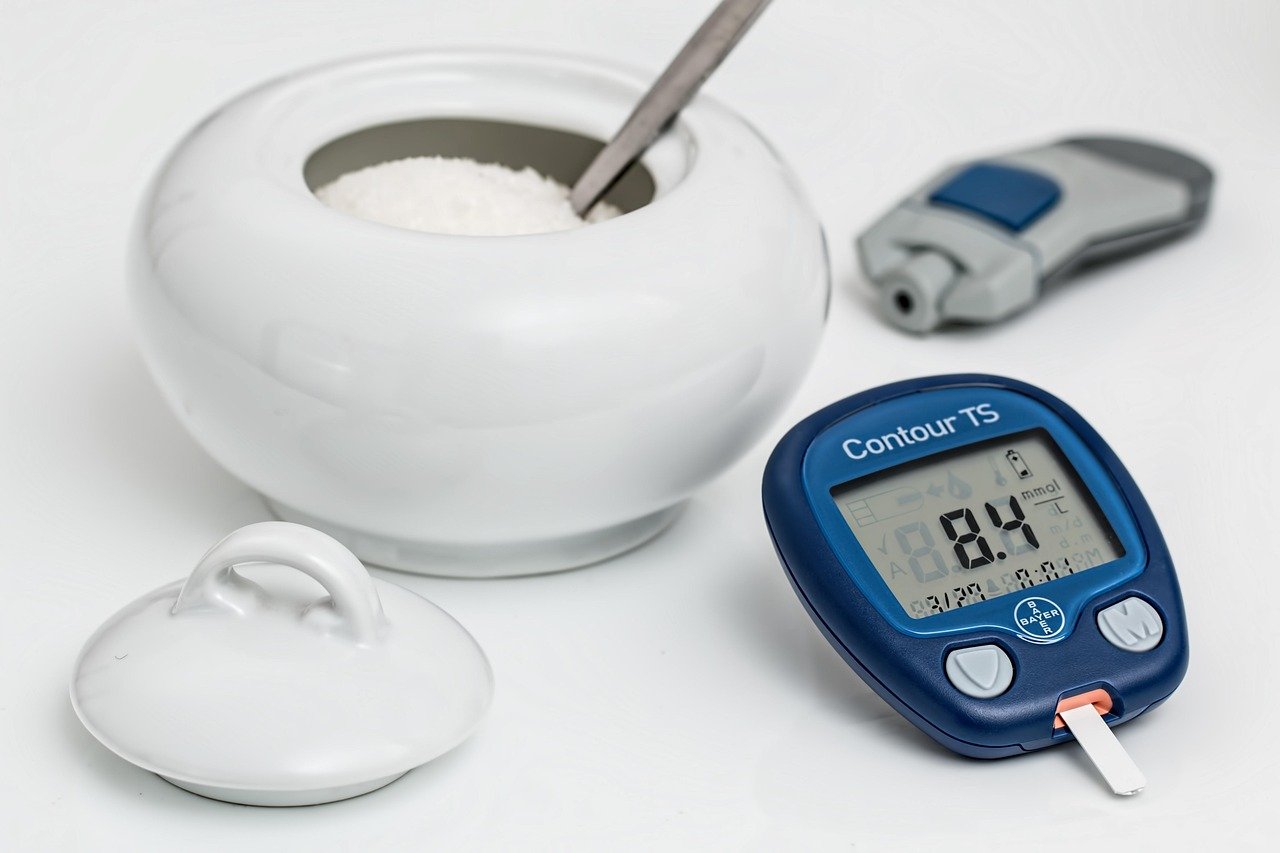
If your doctor asks you to check sugar at home, you will need a glucometer, test strips and lancets. Write each reading in a notebook with the time and what you ate. Your doctor will usually repeat the HbA1c test every 3 months until your sugar is stable.
When blood sugar becomes an emergency
If you take diabetes medicines, watch for low sugar: shaking, sweating, a pounding heart, sudden hunger or confusion. Take 15 grams of fast sugar (three or four glucose tablets, or half a glass of juice), recheck after 15 minutes and tell your doctor. Go to hospital at once for repeated vomiting, fast breathing, fruity-smelling breath or unusual drowsiness, as these can signal dangerously high sugar.
Key takeaways
- Constant thirst, frequent urination, tiredness and slow-healing wounds are classic early signs.
- A simple fasting sugar or HbA1c test confirms the diagnosis.
- Prediabetes can often be reversed with weight loss and regular walking.
- Medicines should only be taken as prescribed.
Related medicines on Medimart
Your doctor chooses the medicine that suits your sugar level and general health. These are the common options used for type 2 diabetes:
- Metformin: usually the first tablet prescribed
- Glimepiride: helps the pancreas release more insulin
- Gliclazide: another tablet that increases insulin release
- Sitagliptin: helps control sugar after meals
- Vildagliptin: works in a similar way to sitagliptin
- Empagliflozin: helps the kidneys pass extra sugar in the urine
- Dapagliflozin: also helps the kidneys remove extra sugar
- Insulin: used in type 1 diabetes and when tablets are not enough
Prescription medicines are supplied only against a valid prescription. Please take them only as advised by your doctor.
You can browse diabetes care products on Medimart with delivery across Pakistan. Prescription medicines are supplied only against a valid prescription.
This guide is for general information and does not replace advice from a doctor. If you notice the signs above, please get your blood sugar tested.














