
- Shop by Generic (A-Z)
- Shop by Health Condition
- Acid Reflux & Stomach Ulcer
- Allergy & Hay Fever
- Arthritis & Joint Pain
- Cancer Care
- Chest Infection & Pneumonia
- Cold & Flu
- Diabetes
- Ear Infection
- Hepatitis & Liver Disease
- High Blood Pressure
- Infertility & PCOS
- Kidney Stones
- Pain Relief
- Period Pain
- Sinusitis
- Skin Infection
- Throat Infection & Tonsillitis
- Thyroid Disorders
- Typhoid
- Urinary Tract Infection (UTI)
- View All Health Conditions
- Herbal & Unani
Leukaemia (Blood Cancer): Symptoms, Types and Treatment

✓Reviewed by Dr Asma
The word leukaemia frightens people, and understandably so. It is a cancer of the blood, and it is the commonest cancer in children. But leukaemia is not one disease. Some types are now among the most curable cancers, and others can be controlled for many years with a daily tablet. What matters most is recognising the warning signs early, because a simple blood count can raise the alarm.
What is leukaemia?
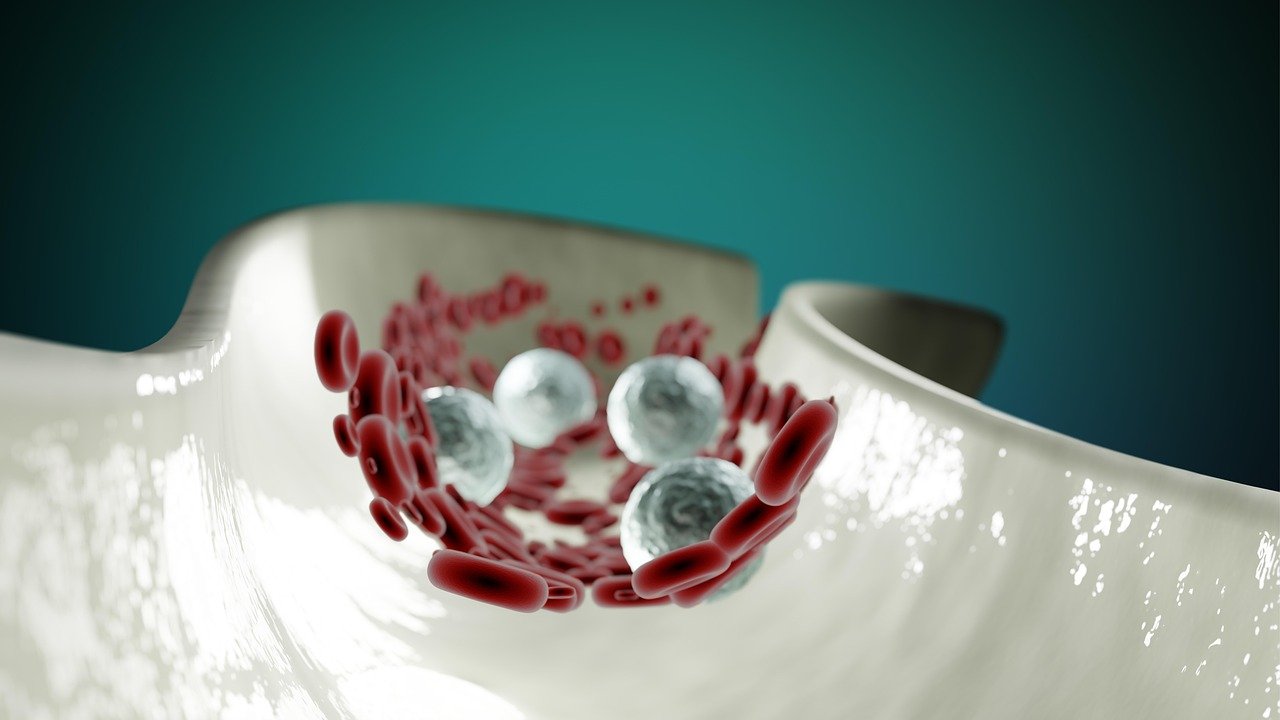
Leukaemia starts in the bone marrow, the soft tissue inside bones where blood cells are made. Abnormal white blood cells multiply out of control and crowd out the healthy red cells, white cells and platelets. That is why leukaemia causes anaemia, infections and bleeding. It is classified by speed and cell type:
- Acute lymphoblastic leukaemia (ALL): the commonest childhood leukaemia, also seen in adults
- Acute myeloid leukaemia (AML): mostly adults, but also children
- Chronic lymphocytic leukaemia (CLL): mostly older adults, often slow
- Chronic myeloid leukaemia (CML): mostly adults, and treatable with targeted tablets
Acute leukaemias develop within weeks and need urgent treatment. Chronic leukaemias grow slowly, and may be found by chance on a routine blood test.
Leukaemia symptoms
- Tiredness, weakness and paleness, often mistaken for iron deficiency
- Frequent or severe infections, and fever that keeps returning
- Easy bruising, nosebleeds, bleeding gums, or tiny red or purple spots on the skin (petechiae)
- Bone or joint pain, and in children, limping or refusing to walk
- Swollen glands in the neck, armpit or groin
- A feeling of fullness under the left ribs from an enlarged spleen
- Night sweats, weight loss and loss of appetite
These symptoms usually have common explanations, such as infections or dengue, which also lowers platelets. But if they last more than two weeks, keep returning, or involve unexplained bruising or paleness, ask your doctor for a full blood count.
What causes leukaemia?
In most people no cause is found. Known risk factors include previous chemotherapy or radiation, long exposure to benzene (found in some industrial chemicals and fuel), smoking, certain genetic conditions such as Down syndrome, and a family history. Leukaemia is not contagious, and it is not caused by food, evil eye or anything parents did.
How is it diagnosed?
A complete blood count (CBC) and a blood film often show abnormal cells. The diagnosis is confirmed with a bone marrow examination, and special tests on the cells to identify the exact type and genetic changes, because treatment depends on it.
Treatment
- Chemotherapy is the main treatment for acute leukaemia, given in phases over months and sometimes years.
- Targeted therapy: in CML, daily tablets called tyrosine kinase inhibitors, such as imatinib, control the disease so well that many people live a near-normal life span.
- Stem cell (bone marrow) transplant for some high-risk or relapsed cases.
- Supportive care: blood and platelet transfusions, antibiotics, anti-sickness medicines, and medicines to protect the kidneys from the breakdown of cancer cells.
- Watchful waiting: early, slow CLL often needs no treatment until it progresses.
Outcomes have improved enormously. With modern treatment in a good centre, most children with the commonest type (ALL) are cured. Adults and older patients do less well on average, but treatment keeps advancing.
Living through treatment
- A fever of 38°C or above during chemotherapy is an emergency. Go to the hospital immediately and do not wait or treat it at home.
- Wash hands often, avoid crowds and sick contacts, and eat only well-cooked, hygienic food.
- Keep up with the treatment schedule and blood tests, and never stop on your own.
- Avoid herbal remedies, special “cures” and unregistered products. They can harm the liver or reduce the effect of chemotherapy.
- Ask for support. Counselling and talking to other families help patients and parents cope. See also our guide to eating during cancer treatment.
When to see a doctor
- Paleness and tiredness that does not improve
- Unexplained bruising, bleeding or tiny red spots on the skin
- Repeated infections or fever lasting more than a week
- Swollen glands that do not go down after two to three weeks
- Bone pain or limping in a child that lasts more than a few days
Key takeaways
- Leukaemia is a blood and bone marrow cancer, and a simple blood count can raise the alarm.
- Tiredness, paleness, infections, bruising and bone pain together need a prompt check.
- Many types are now treatable, and childhood ALL has high cure rates with good care.
- A fever during chemotherapy needs hospital care immediately.
Related medicines on Medimart
Leukaemia treatment is planned by a haematologist or oncologist. Examples of medicines commonly used for supportive care:
- Ondansetron: helps control nausea and vomiting from chemotherapy
- Allopurinol: sometimes used to lower uric acid during treatment, on the doctor’s advice
Prescription medicines are supplied only against a valid prescription. Please take them only as advised by your doctor.
Browse cancer care products and anaemia care on Medimart with delivery across Pakistan. Prescription medicines are supplied only against a valid prescription.
This guide is for general information and does not replace advice from a doctor. Please get a blood count if you have lasting paleness, bruising or repeated infections.














