
- Shop by Generic (A-Z)
- Shop by Health Condition
- Acid Reflux & Stomach Ulcer
- Allergy & Hay Fever
- Arthritis & Joint Pain
- Cancer Care
- Chest Infection & Pneumonia
- Cold & Flu
- Diabetes
- Ear Infection
- Hepatitis & Liver Disease
- High Blood Pressure
- Infertility & PCOS
- Kidney Stones
- Pain Relief
- Period Pain
- Sinusitis
- Skin Infection
- Throat Infection & Tonsillitis
- Thyroid Disorders
- Typhoid
- Urinary Tract Infection (UTI)
- View All Health Conditions
- Herbal & Unani
Stroke: Warning Signs (FAST), What to Do and How to Prevent It

✓Reviewed by Dr Asma
A stroke can strike without warning: a father suddenly cannot lift his arm at the dinner table, a grandmother’s speech turns slurred, a young man loses the vision in one eye. In a stroke, every minute counts, because brain cells die quickly when their blood supply is cut off. Yet many families in Pakistan wait for hours, hoping it will pass, or take the patient to a clinic that cannot treat it. Learning to spot a stroke fast can be the difference between recovery and lifelong disability.
What is a stroke?
A stroke happens when blood flow to part of the brain stops. There are two main types:
- Ischaemic stroke (about 8 in 10 strokes): a blood clot blocks an artery in or leading to the brain.
- Haemorrhagic stroke: a blood vessel in the brain bursts and bleeds, most often because of very high blood pressure.
A transient ischaemic attack (TIA), or “mini-stroke”, causes the same symptoms but passes within minutes to hours. It is a serious warning, and needs urgent medical review, not reassurance.
Stroke symptoms: think FAST
- F – Face: one side of the face droops, or the smile is uneven
- A – Arms: one arm or leg is weak or numb and drifts down when raised
- S – Speech: slurred or strange speech, or trouble understanding
- T – Time: time to call for emergency help at once
Other sudden signs include loss of vision in one or both eyes, double vision, severe dizziness or loss of balance, a sudden severe headache unlike any before, confusion, and difficulty walking.
What to do if you suspect a stroke
- Call an ambulance immediately, such as Rescue 1122 or Edhi 115, and go to a hospital that has CT scan facilities and a stroke or emergency unit. Do not wait to see if it improves.
- Note the exact time symptoms began, or when the person was last seen well. Doctors need this to choose treatment.
- Keep the person lying down or sitting comfortably with the head slightly raised, and loosen tight clothing. If unconscious but breathing, lay them on their side.
- Do not give food, water or tablets. Swallowing may be impaired.
- Do not give aspirin on your own. Unlike a heart attack, a stroke can be caused by bleeding in the brain, and aspirin would make it worse. Only a CT scan can tell the difference.
Treatment in hospital
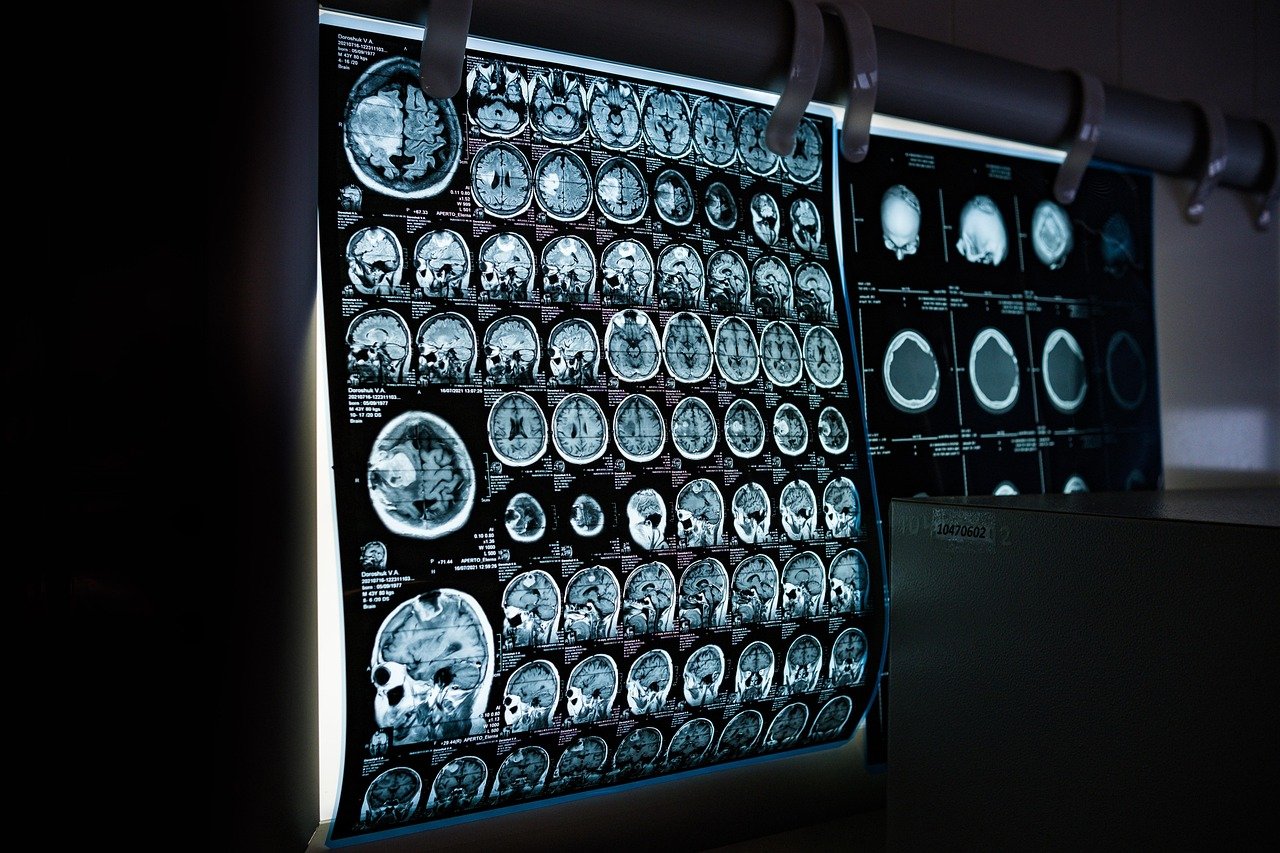
A CT or MRI scan shows whether the stroke is from a clot or bleeding. For a clot, a clot-dissolving drug can be given if the patient arrives within a few hours, generally within 4.5 hours of onset, and in selected patients a procedure to remove the clot can work even later. For bleeding, treatment focuses on controlling blood pressure and, sometimes, surgery. After the first days, rehabilitation begins, including physiotherapy, speech therapy and occupational therapy, and recovery can continue for months.
Who is at risk?
- High blood pressure, the biggest single risk factor, see high blood pressure
- Diabetes and high cholesterol
- An irregular heartbeat called atrial fibrillation, which is easy to miss and causes clots
- Smoking, including shisha, and heavy alcohol use
- Obesity and a lack of exercise
- Previous stroke or TIA, and heart disease. See heart attack warning signs.
- Age, family history and, in women, pregnancy-related blood pressure problems
How to prevent a stroke
- Check your blood pressure regularly and keep it in the target range your doctor sets
- Take your diabetes and cholesterol medicines regularly
- Cut down on salt, fried food and sweets, and eat more vegetables, fruit, daal and fish
- Exercise for 30 minutes on most days
- Quit smoking
- Ask your doctor to check your pulse for an irregular rhythm if you are over 65 or have palpitations
- Never stop blood pressure or blood-thinning medicines without advice
Medicines used to prevent another stroke
After a clot-type stroke or TIA, doctors usually prescribe a combination: an antiplatelet such as aspirin or clopidogrel, a statin to lower cholesterol, and tablets for blood pressure and diabetes. If the cause is atrial fibrillation, a stronger anticoagulant such as apixaban or rivaroxaban may be used. These medicines must never be started or stopped on your own, because the choice depends on whether the stroke was a clot or a bleed.
Key takeaways
- Face drooping, arm weakness and slurred speech mean call for an ambulance now.
- Note the time of onset, and go to a hospital with a CT scanner.
- Do not give aspirin, food or water before a scan.
- Controlling blood pressure is the most important way to prevent a stroke.
Related medicines on Medimart
These are commonly prescribed to prevent a stroke, after your doctor has confirmed the cause:
- Aspirin: a blood thinner that helps prevent clots
- Clopidogrel: another antiplatelet medicine
- Atorvastatin: a statin that lowers cholesterol
- Amlodipine: a blood pressure medicine
- Apixaban: an anticoagulant used for atrial fibrillation
- Rivaroxaban: another anticoagulant
Prescription medicines are supplied only against a valid prescription. Please take them only as advised by your doctor.
Browse heart and stroke prevention medicines on Medimart with delivery across Pakistan. Prescription medicines are supplied only against a valid prescription.
This guide is for general information and does not replace emergency care. If you suspect a stroke, call an ambulance immediately.














