
- Shop by Generic (A-Z)
- Shop by Health Condition
- Acid Reflux & Stomach Ulcer
- Allergy & Hay Fever
- Arthritis & Joint Pain
- Cancer Care
- Chest Infection & Pneumonia
- Cold & Flu
- Diabetes
- Ear Infection
- Hepatitis & Liver Disease
- High Blood Pressure
- Infertility & PCOS
- Kidney Stones
- Pain Relief
- Period Pain
- Sinusitis
- Skin Infection
- Throat Infection & Tonsillitis
- Thyroid Disorders
- Typhoid
- Urinary Tract Infection (UTI)
- View All Health Conditions
- Herbal & Unani
Dandruff (Sikri): Causes, Best Treatment and Home Care

✓Reviewed by Dr Asma
White flakes on the shoulders of a dark shirt, an itchy scalp, and the embarrassment of scratching in public. Dandruff is one of the most common scalp problems in men and women, and it tends to get worse in winter and during stress. It is harmless and not contagious, but it can be stubborn. The right shampoo, used the right way, controls it in most people.
What is dandruff?
Dandruff (sikri) is a mild form of scalp inflammation where the skin sheds in visible flakes, often with itching. A more intense version is called seborrhoeic dermatitis, with red, greasy, scaly patches that can also affect the eyebrows, sides of the nose and behind the ears.
What causes it?
- Malassezia, a yeast that lives on every scalp. In some people the scalp reacts to it, causing irritation and flaking.
- An oily scalp, or on the other hand dry skin in winter
- Infrequent washing, which lets oil and skin cells build up
- Sensitivity to hair products, dyes or hair oils left on for long periods
- Stress, poor sleep, hormonal changes and illness
- Skin conditions like eczema and psoriasis, which can look similar
Dandruff is not caused by dirty hair, and washing hair more often does not cause it.
Dandruff, dry scalp or something else?
- Dandruff: larger, white or yellowish, oily flakes with itching.
- Dry scalp: smaller, dry flakes, with dry skin elsewhere on the body.
- Psoriasis: thick, silvery plaques with clear edges.
- Fungal infection (tinea capitis): round bald patches with scaling, mostly in children (see ringworm).
- Head lice nits, which are stuck to the hair shaft and do not flake off.
What works for dandruff
Use an anti-dandruff shampoo with one of these active ingredients, and read the label:
- Ketoconazole: an antifungal and one of the most effective options.
- Zinc pyrithione: reduces yeast and inflammation.
- Selenium sulphide: slows skin cell turnover.
- Salicylic acid: removes scales.
- Coal tar: for stubborn cases, but it has a strong smell.
How to use anti-dandruff shampoo
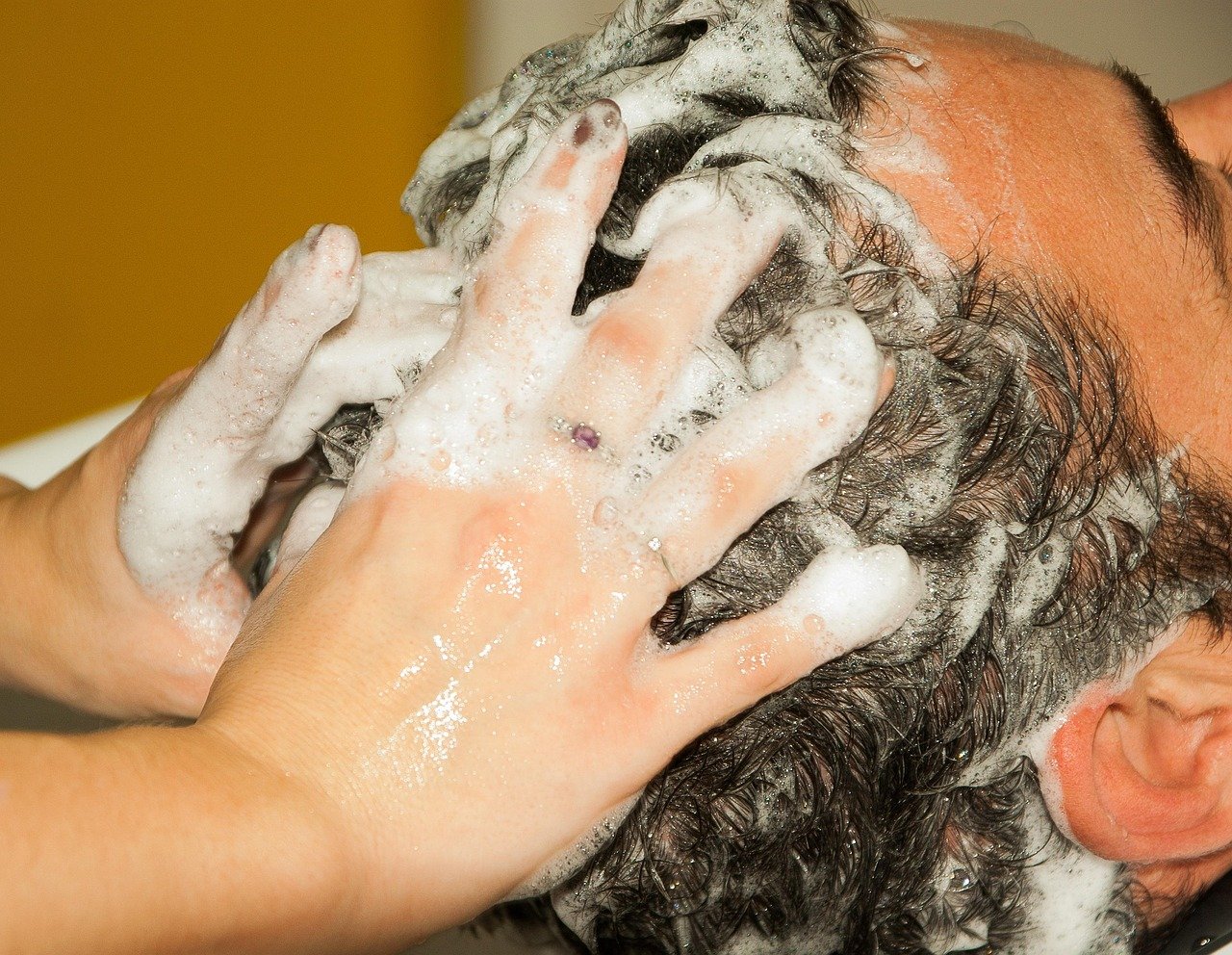
- Wet the hair and massage the shampoo into the scalp, not just the hair.
- Leave it on for 3 to 5 minutes (or as per the label) before rinsing.
- Use it two to three times a week until the flakes clear, then once a week or fortnight to keep dandruff away.
- If one product does not work after 4 weeks, switch to one with a different active ingredient.
- Follow with a light conditioner on the hair ends if hair feels dry.
Everyday habits
- Wash hair regularly, 2 to 3 times a week, more if your scalp is oily.
- Avoid leaving oil on the scalp overnight, as it can feed the yeast and make it worse in many people.
- Do not scratch with nails, and avoid hot water.
- Limit styling gels and sprays, and rinse them well.
- Get sunlight, sleep well and manage stress.
- Do not share combs, caps or towels.
Home remedies: do they work?
Many people try lemon juice, curd, neem, tea tree oil or fenugreek (methi). Evidence is limited. Lemon juice and undiluted essential oils can irritate and burn the scalp, so avoid applying them directly. Tea tree oil in a properly formulated shampoo has some evidence, but it can cause allergy in some. Keep home remedies gentle, and do not use them in place of a medicated shampoo.
Dandruff and hair fall
Severe, untreated dandruff and scratching can contribute to hair shedding. If you notice thinning, read our guide on hair fall causes and treatment.
When to see a doctor or dermatologist
- No improvement after a month of medicated shampoo
- Red, swollen, painful, or oozing scalp, or crusts
- Bald patches or large amounts of hair loss
- Flakes spreading to the face, ears or body
- Symptoms in a baby (cradle cap) or child that do not clear
Key takeaways
- Dandruff is common, harmless and caused by a reaction to a scalp yeast. It is not dirt or infection.
- A medicated shampoo with ketoconazole, zinc pyrithione or selenium sulphide works for most people.
- Massage into the scalp and leave for a few minutes before rinsing.
- See a dermatologist if there is redness, patches, or no improvement.
Related products on Medimart
- Ketoconazole: an antifungal used in medicated shampoos for dandruff
- Salicylic acid: helps remove scale from the scalp
Browse shampoos and conditioners and hair care products on Medimart, delivered across Pakistan.
This guide is for general information and does not replace advice from a doctor.