- Shop by Generic (A-Z)
- Shop by Health Condition
- Acid Reflux & Stomach Ulcer
- Allergy & Hay Fever
- Arthritis & Joint Pain
- Cancer Care
- Chest Infection & Pneumonia
- Cold & Flu
- Diabetes
- Ear Infection
- Hepatitis & Liver Disease
- High Blood Pressure
- Infertility & PCOS
- Kidney Stones
- Pain Relief
- Period Pain
- Sinusitis
- Skin Infection
- Throat Infection & Tonsillitis
- Thyroid Disorders
- Typhoid
- Urinary Tract Infection (UTI)
- View All Health Conditions
- Herbal & Unani
Ibandronic Acid: Uses, Side Effects & Brands in Pakistan
Ibandronic Acid is a bisphosphonate for bone strength. It is a prescription medicine used for osteoporosis after menopause, bone complications of cancer and high blood calcium due to cancer. In Pakistan it is available as tablets, injections and lotion, made by 11 different manufacturers. On this page you can read how it works, its common side effects and precautions, and compare the brands and prices available at Medimart.
How Ibandronic Acid works
Ibandronic acid is a bisphosphonate. It attaches to bone and slows down the cells, called osteoclasts, that break bone down. Bone building continues, so over time bone density increases and bones become stronger and less likely to break.
What is Ibandronic Acid used for?
- Osteoporosis after menopause
- Bone complications of cancer
- High blood calcium due to cancer
Ibandronic Acid is used to treat osteoporosis in women after the menopause, helping to reduce the risk of spinal fractures. It comes as tablets, and an injection form is available for people who cannot take tablets. In hospital, other forms are used to prevent bone complications in breast cancer that has spread to the bones and to treat high blood calcium caused by cancer.
Side effects of Ibandronic Acid
Not everyone gets side effects with Ibandronic Acid, but common ones include:
- Indigestion or heartburn
- Stomach pain or diarrhoea
- Muscle, joint or bone pain
- Headache
- Flu-like symptoms, mainly at the start of treatment
Stop and see a doctor for pain or difficulty swallowing, chest pain or new heartburn, jaw pain or a loose tooth, new pain in the thigh, hip or groin, or ear pain or discharge.
Precautions and warnings
- Take the tablets first thing in the morning on an empty stomach with a full glass of plain water, then stay upright and avoid food, drinks and other medicines for the time stated in the leaflet.
- Low blood calcium must be corrected before starting, and you should get enough calcium and vitamin D during treatment.
- Tell your doctor if you have kidney problems, problems with your food pipe, or cannot sit or stand upright for long.
- Have a dental check-up before starting, keep up good oral hygiene, and tell your dentist that you take it.
- It is not used during pregnancy or breastfeeding.
Frequently asked questions about Ibandronic Acid
What is the price of Ibandronic Acid in Pakistan?
At Medimart, Ibandronic Acid products currently in stock range from Rs 616 to Rs 40,744 per pack, depending on the brand, strength and pack size. The lowest-priced option right now is Ronate 150mg Tablet at Rs 616. Prices are updated regularly, so the product list on this page always shows the latest price.Which brands of Ibandronic Acid are available in Pakistan?
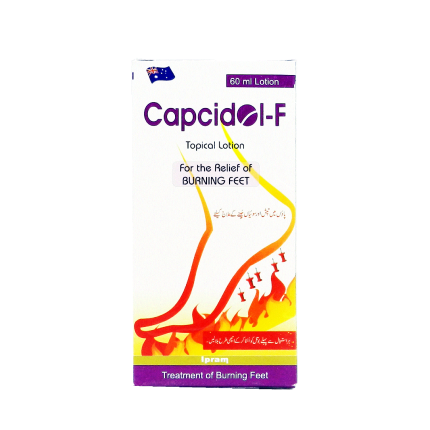
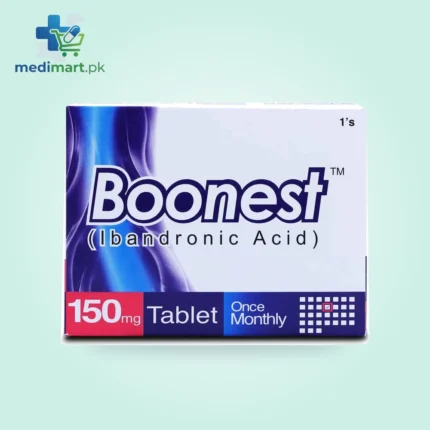
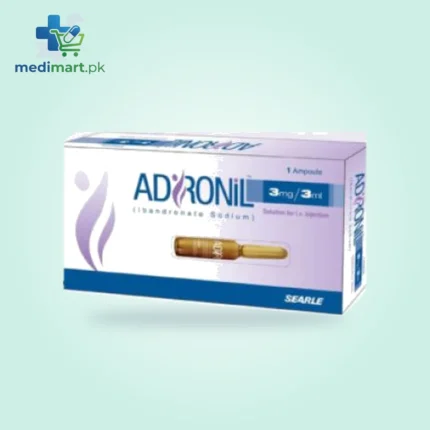
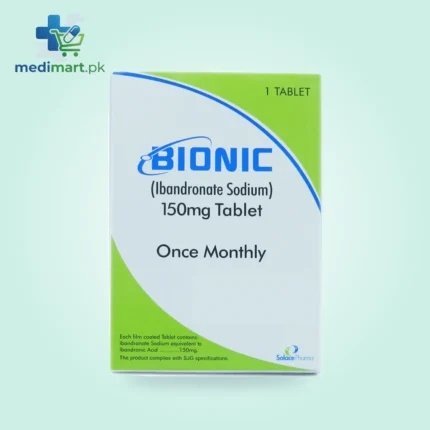
Ibandronic Acid is sold in Pakistan under brand names such as Bionic (S.J. & G. Fazul-ellahie Ltd), Adronil (Searle Company Limited), Bondronat (Roche), Boonest (Barrett Hodgson Pakistan Ltd), Capcidol (Ipram International), Ibandro (Pharmevo LIMITED.), Bonviva (Roche Pakistan Limited) and Ronate (Amarant Caraway Pharmaceutical), along with 3 more brands listed below.Do I need a prescription for Ibandronic Acid?
Yes. Ibandronic Acid is a prescription medicine in Pakistan. Use it only when a doctor has prescribed it, at the dose and for the time they advise.
Can Ibandronic Acid be used during pregnancy?
It is not used during pregnancy or breastfeeding.
Are all Ibandronic Acid brands the same?
Brands that contain the same amount of Ibandronic Acid in the same form are expected to work in the same way, although inactive ingredients, pack sizes and prices differ. Ask your doctor or pharmacist before switching from one brand to another.
Ibandronic Acid brands and prices in Pakistan
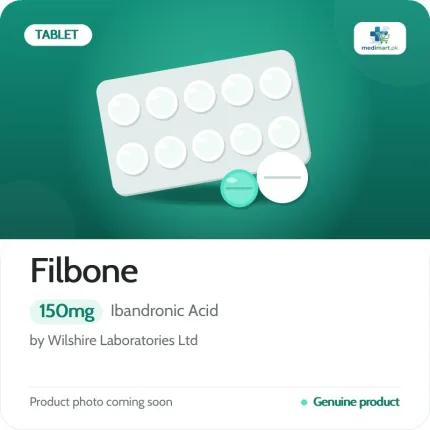
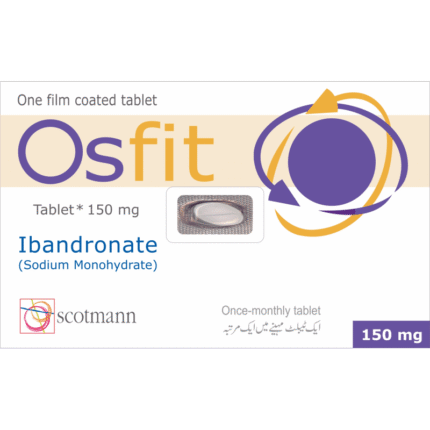
Medimart lists 14 products containing Ibandronic Acid from different manufacturers. Compare strengths, pack sizes and prices below and order online with cash on delivery.




Related medicines
Medical disclaimer: This page is for general information only and does not replace advice from a doctor or pharmacist. Do not start, stop or change any medicine, or its dose, without speaking to a qualified healthcare professional.