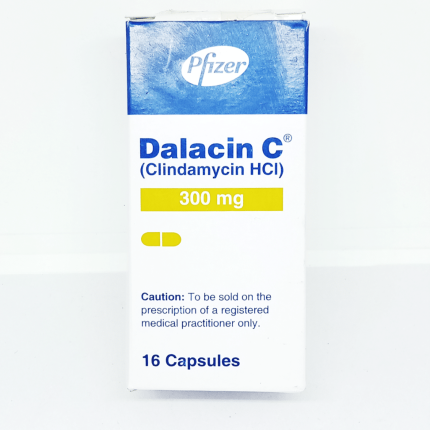
Clindamycin: Uses, Side Effects & Brands in Pakistan
Clindamycin is an antibiotic available as capsules, injections, gels and lotions for acne, and vaginal cream in Pakistan.
How Clindamycin works
Clindamycin stops bacteria from making the proteins they need to grow. It works well against many staphylococci and streptococci, and against bacteria that live without oxygen, such as those in dental abscesses.
What is Clindamycin used for?
- Serious skin and soft tissue infections
- Dental infections and abscesses
- Bone and joint infections
- Abdominal and pelvic infections, with other antibiotics
- Gel or lotion: acne
- Vaginal cream: bacterial vaginosis
Side effects of Clindamycin
Not everyone gets side effects. The ones reported more often are:
- Diarrhoea
- Nausea or stomach pain
- Metallic taste
- Skin rash
- Topical forms: dryness or irritation of the skin
Clindamycin is linked with a serious bowel infection caused by C. difficile. Contact a doctor straight away if you develop severe, watery or bloody diarrhoea, even weeks after finishing the course.
Precautions and warnings
- Swallow capsules with a full glass of water to prevent irritation of the food pipe.
- Tell your doctor if you have had colitis or bowel problems after antibiotics.
- For acne, it is usually combined with benzoyl peroxide to reduce bacterial resistance.
- Tell your doctor about liver or kidney disease.
- Tell your doctor if you are pregnant or breastfeeding.
Frequently asked questions about Clindamycin
Is clindamycin gel good for acne?
Clindamycin gel helps reduce inflammatory spots. Dermatologists usually combine it with benzoyl peroxide or other treatments and avoid using it alone for long periods.
Clindamycin brands and prices in Pakistan
Medimart lists 50+ products containing Clindamycin from different manufacturers. Compare strengths, pack sizes and prices below and order online with cash on delivery.