
- Shop by Generic (A-Z)
- Shop by Health Condition
- Acid Reflux & Stomach Ulcer
- Allergy & Hay Fever
- Arthritis & Joint Pain
- Cancer Care
- Chest Infection & Pneumonia
- Cold & Flu
- Diabetes
- Ear Infection
- Hepatitis & Liver Disease
- High Blood Pressure
- Infertility & PCOS
- Kidney Stones
- Pain Relief
- Period Pain
- Sinusitis
- Skin Infection
- Throat Infection & Tonsillitis
- Thyroid Disorders
- Typhoid
- Urinary Tract Infection (UTI)
- View All Health Conditions
- Herbal & Unani
Burns First Aid at Home: What to Do and What to Avoid

✓Reviewed by Dr Asma
Reviewed by Dr Asma
Burns happen in every home: a splash of hot tea, a touch of the tawa, a pressure cooker, a hot iron or a winter heater. In Pakistani kitchens and during the cold season, minor burns are very common, especially in children. What you do in the first few minutes makes a big difference to pain, healing and scarring. This guide explains simple burns first aid, the old home remedies you should never use, and when to go to hospital.
Know the types of burns
- First degree (superficial): the skin is red, dry and painful, like mild sunburn. It heals in a few days without scarring.
- Second degree (partial thickness): the skin is red, swollen and very painful, and blisters form. It can take a few weeks to heal and may scar.
- Third degree (full thickness): the skin looks white, brown, leathery or charred and may feel numb because nerves are damaged. This is always an emergency.
What to do straight away
- Move away from the source. Stop the burning process and make sure the person is safe. If clothes are on fire, stop, drop and roll, or smother the flames with a thick blanket.
- Cool the burn. Hold the burnt area under cool running tap water for about twenty minutes. Use cool, not ice cold water.
- Remove rings, watches, bangles and tight clothing near the burn before swelling begins. Do not pull off anything stuck to the skin.
- Cover loosely. Use a clean, non fluffy dressing or cling film to protect the area. Do not wrap tightly.
- Manage pain. Ask a doctor or pharmacist which pain reliever is suitable, especially for children.
What not to do
Many traditional remedies make burns worse. Please avoid:
- Ice or ice water, which can damage the skin further
- Toothpaste, butter, ghee, oil, haldi, flour, ink or egg white, which trap heat, cause infection and make cleaning the wound harder for the doctor
- Bursting blisters, because they protect the raw skin underneath
- Cotton wool or fluffy material that sticks to the wound
- Breathing or coughing over the burn
Caring for a minor burn after first aid
After cooling, a small first degree or small second degree burn can usually be treated at home. Keep it clean and covered with a non stick dressing, and change the dressing as advised. Burn creams that contain an antibacterial ingredient are sometimes prescribed to lower the risk of infection, for example Dermazine 1% Cream. Do not use these on a deep or large burn without medical advice, and check with your doctor or pharmacist if you are pregnant or the patient is a baby. You can find dressings, gauze and creams in our Burns and Wound Care category and our First Aid and Bandages section.
Watch for signs of infection: increasing redness, swelling, pus, a bad smell, fever or pain that gets worse after the first two days. If you see any of these, see a doctor.
When to go to the hospital
Go to an emergency department straight away if:
- The burn is larger than the palm of the person’s hand, or is deep
- The burn is on the face, eyes, hands, feet, genitals or over a joint
- It was caused by chemicals, electricity or fire in a closed room, or the person inhaled smoke
- The skin looks white, charred or leathery
- The patient is a baby, a young child, an older adult or has diabetes
- The person is in severe pain, is breathing with difficulty or seems confused
For chemical burns, rinse with plenty of running water for a long time and remove contaminated clothing on the way to hospital. For electrical burns, switch off the supply before touching the person.
Keep a first aid kit ready
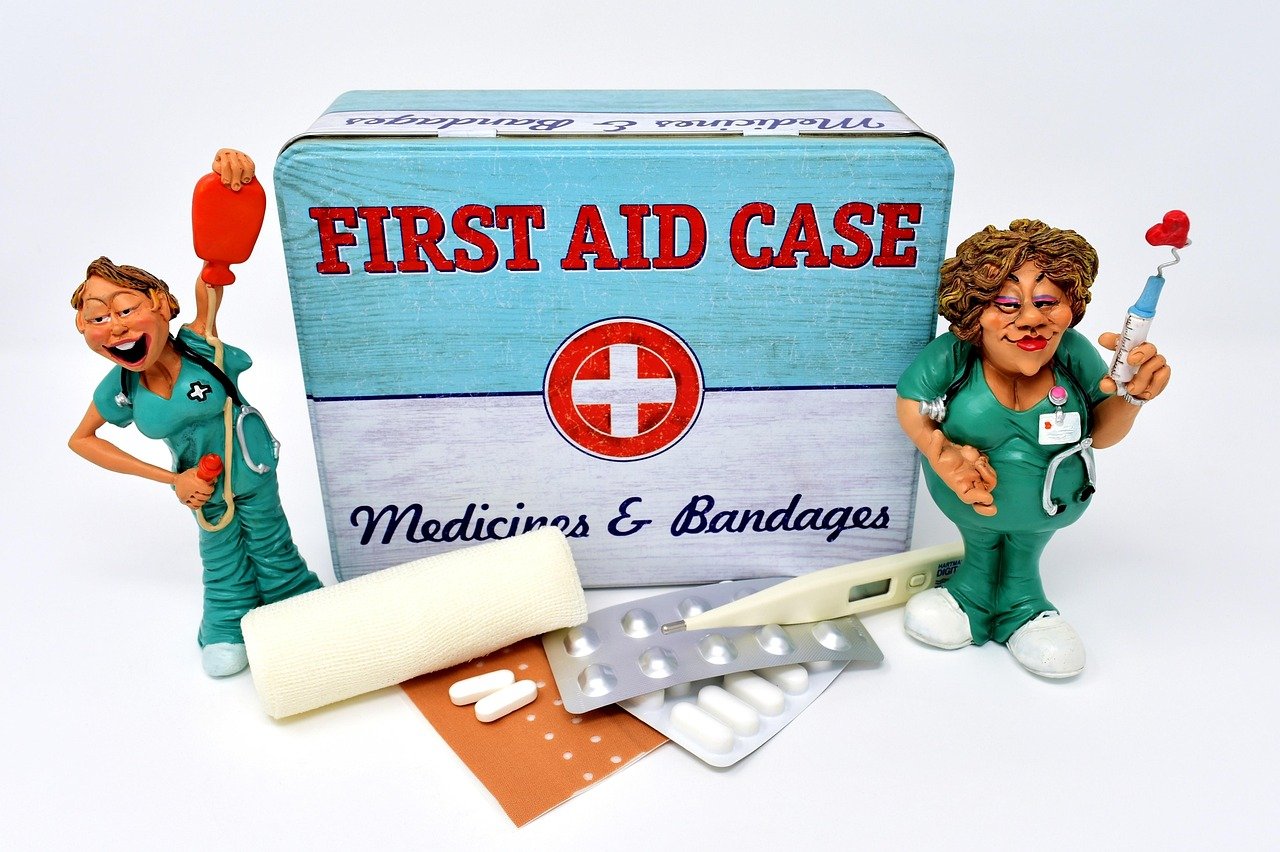
A few minutes of preparation can save a lot of pain later. Keep sterile gauze, non stick dressings, a bandage and medical tape at home. Our guide to a home first aid kit lists exactly what to keep and how to use it.
Preventing burns at home
- Turn pot handles inward and cook on the back burners when children are around
- Keep hot tea, kettles and karahi out of reach, and never carry a child while handling hot liquids
- Test bath water with your elbow before bathing a baby
- Keep heaters and gas geysers well ventilated and away from curtains and bedding
- Keep matches, lighters and chemicals locked away
Frequently asked questions
Should I put toothpaste on a burn?
No. It does not help and can cause infection. Cool running water is the best first treatment.
Should I pop a burn blister?
No. Leave it alone. If it bursts, wash gently and cover it with a clean dressing.
How long should I cool a burn?
Around twenty minutes under cool running water. Starting early matters more than anything else.
Will my burn leave a scar?
First degree burns usually do not. Deeper burns may scar, and good first aid, keeping the area clean and protecting it from the sun all reduce the chance.
Disclaimer: This article is for general information only and is not a substitute for professional medical advice, diagnosis or treatment. In an emergency, go to the nearest hospital. Always consult a qualified doctor or pharmacist before using any medicine.














