
- Shop by Generic (A-Z)
- Shop by Health Condition
- Acid Reflux & Stomach Ulcer
- Allergy & Hay Fever
- Arthritis & Joint Pain
- Cancer Care
- Chest Infection & Pneumonia
- Cold & Flu
- Diabetes
- Ear Infection
- Hepatitis & Liver Disease
- High Blood Pressure
- Infertility & PCOS
- Kidney Stones
- Pain Relief
- Period Pain
- Sinusitis
- Skin Infection
- Throat Infection & Tonsillitis
- Thyroid Disorders
- Typhoid
- Urinary Tract Infection (UTI)
- View All Health Conditions
- Herbal & Unani
Winter Joint Pain: Why Cold Weather Makes It Worse and What Helps

✓Reviewed by Dr Asma
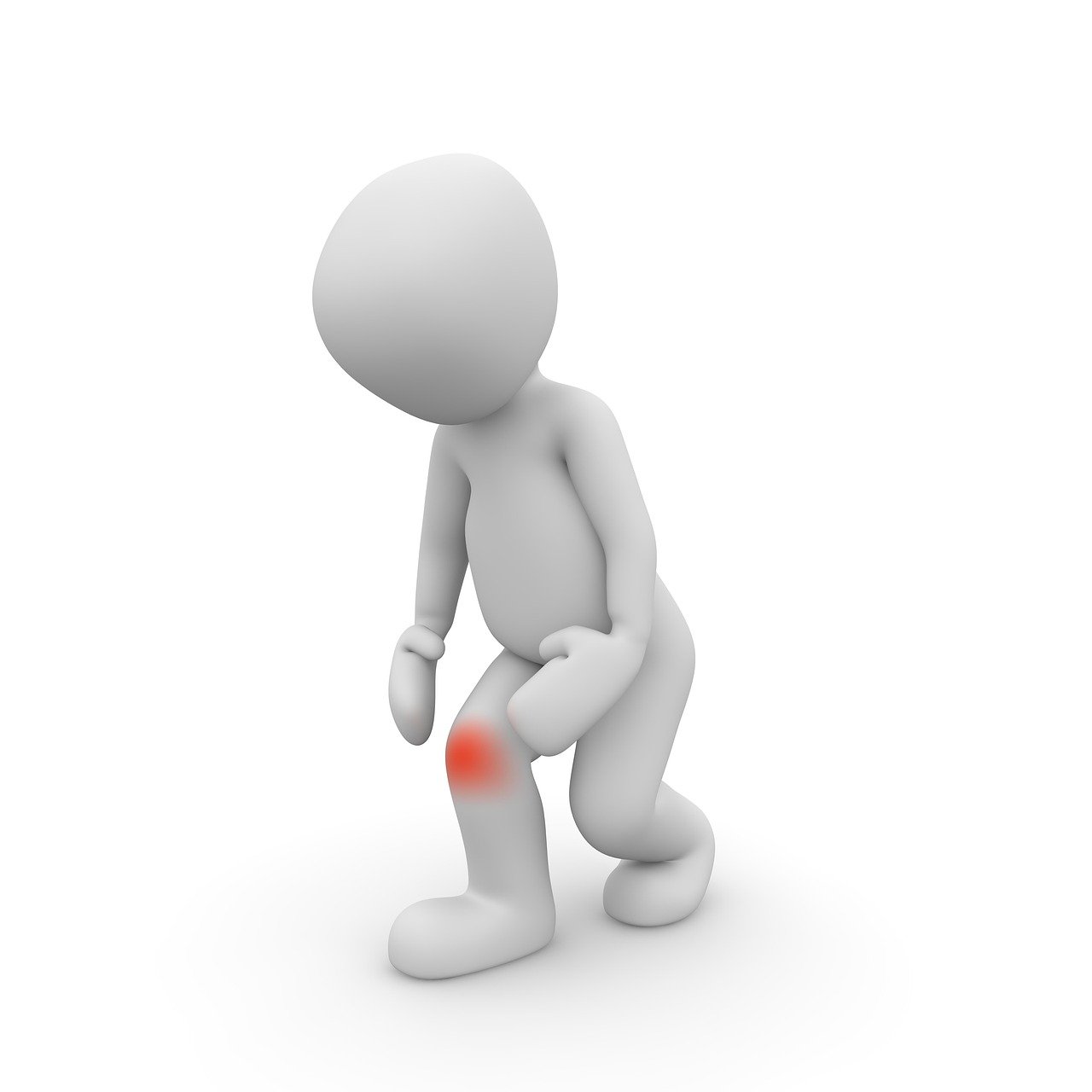
Every year when the first cold winds arrive, many people notice the same thing: knees creak, the lower back stiffens and old injuries start to ache. If your joints complain in winter, you are not imagining it. This guide explains why it happens and what you can do at home to feel better.
Reviewed by Dr Asma
Why cold weather makes joints hurt
Doctors do not have one single explanation, but several factors seem to play a part:
- Cold can make muscles and tendons tighter, so joints feel stiffer.
- Lower air pressure may let tissues around the joint swell slightly, which presses on nerves.
- We move less in winter and stay indoors, so joints get less lubrication from daily movement.
- Less sunlight means lower vitamin D in many people, which matters for bone and muscle health.
- Pain feels sharper when we are cold and tense.
Cold weather does not damage joints permanently. It makes existing problems easier to feel.
Who is most affected
People with arthritis, old fractures, previous sports injuries or a weak lower back usually notice it first. Older adults and women after menopause are also affected more often. If you are over fifty and the pain keeps returning, read about menopause and osteoporosis, because bone health matters at this stage.
Simple things that help at home
Keep warm, especially the joints
Dress in layers. Wear socks and warm gloves, and use a scarf and knee or waist warmers if your knees or back suffer. A warm shawl in the evening makes a real difference.
Use gentle heat
A warm (not scalding) water bottle wrapped in a cloth, a warm bath or a heated towel can ease stiffness. Do not sleep on a heating pad and never apply heat to skin you cannot feel properly.
Keep moving
Short, gentle activity beats resting all day. Try a ten minute walk after lunch, light stretching in the morning and slow knee bends while the kettle boils. Warm up before you go out into the cold.
Watch your weight
Extra weight puts more load on knees, hips and the lower back. Even a small loss can reduce pain. Our guide to weight loss in Pakistan has practical ideas.
Eat for your bones
Include milk, yoghurt, eggs, fish, green vegetables and nuts. Spend a little time in the midday winter sun when you can. If you suspect low vitamin D, read vitamin D deficiency and get a test before taking supplements.
Sleep and posture
A firm mattress, a pillow between the knees for side sleepers and a warm room can reduce morning stiffness. If you sit at a desk all day, stand and stretch every hour.
Medicines and rubs
Many people reach for a pain tablet or a rub. Over-the-counter painkillers are not safe for everyone, especially people with stomach ulcers, kidney problems, high blood pressure or heart disease, and they should never be used long term without advice. Ask your doctor or pharmacist what suits you, and follow the label strictly. Browse conditions and related care in our Health Conditions section.
When to see a doctor
- A joint is red, hot and swollen, or you have a fever with joint pain.
- Pain wakes you at night or is getting steadily worse.
- Morning stiffness lasts more than half an hour.
- You cannot bear weight or you have had a fall.
- Pain shoots down the leg or comes with numbness. See sciatica and lower back pain.
- Several joints hurt together. This could be arthritis, which needs proper diagnosis.
If you are caring for a senior parent, our elderly care tips and winter immunity guide are worth a read too. Also protect dry, cracking skin with our advice on dry skin in winter.
Frequently asked questions
Does cold weather really cause joint pain?
It does not cause lasting damage, but cold and low pressure can make existing pain feel worse for many people.
Is it better to use heat or cold for joint pain?
Heat usually helps stiffness and chronic aches. Cold packs are better for a fresh injury with swelling. If unsure, ask your doctor.
Can exercise make winter joint pain worse?
Gentle, regular movement helps. Sudden hard exercise in the cold without warming up can strain muscles.
Will the pain go away in spring?
Often it eases as the weather warms, but a joint that hurts all year deserves a medical check.
Should I take calcium or vitamin D supplements?
Only after talking to your doctor. Too much of either can cause harm, and a blood test can show whether you need them.
Disclaimer: This article is for general information only and is not a substitute for professional medical advice, diagnosis or treatment. Always speak to a qualified doctor about your health.














