
- Shop by Generic (A-Z)
- Shop by Health Condition
- Acid Reflux & Stomach Ulcer
- Allergy & Hay Fever
- Arthritis & Joint Pain
- Cancer Care
- Chest Infection & Pneumonia
- Cold & Flu
- Diabetes
- Ear Infection
- Hepatitis & Liver Disease
- High Blood Pressure
- Infertility & PCOS
- Kidney Stones
- Pain Relief
- Period Pain
- Sinusitis
- Skin Infection
- Throat Infection & Tonsillitis
- Thyroid Disorders
- Typhoid
- Urinary Tract Infection (UTI)
- View All Health Conditions
- Herbal & Unani
Obesity and Weight Loss in Pakistan: Causes, Safe Methods and Treatment

✓Reviewed by Dr Asma
Weight gain rarely happens overnight. It builds up quietly: a few kilos after marriage, a few after pregnancy, a desk job, late-night biryani, sweet chai, and little walking. In Pakistan, more than one in four adults is now overweight or obese, and the rate is rising fast. Excess weight is not just about looks. It is one of the biggest drivers of diabetes, high blood pressure, heart disease and joint problems.
What is obesity?
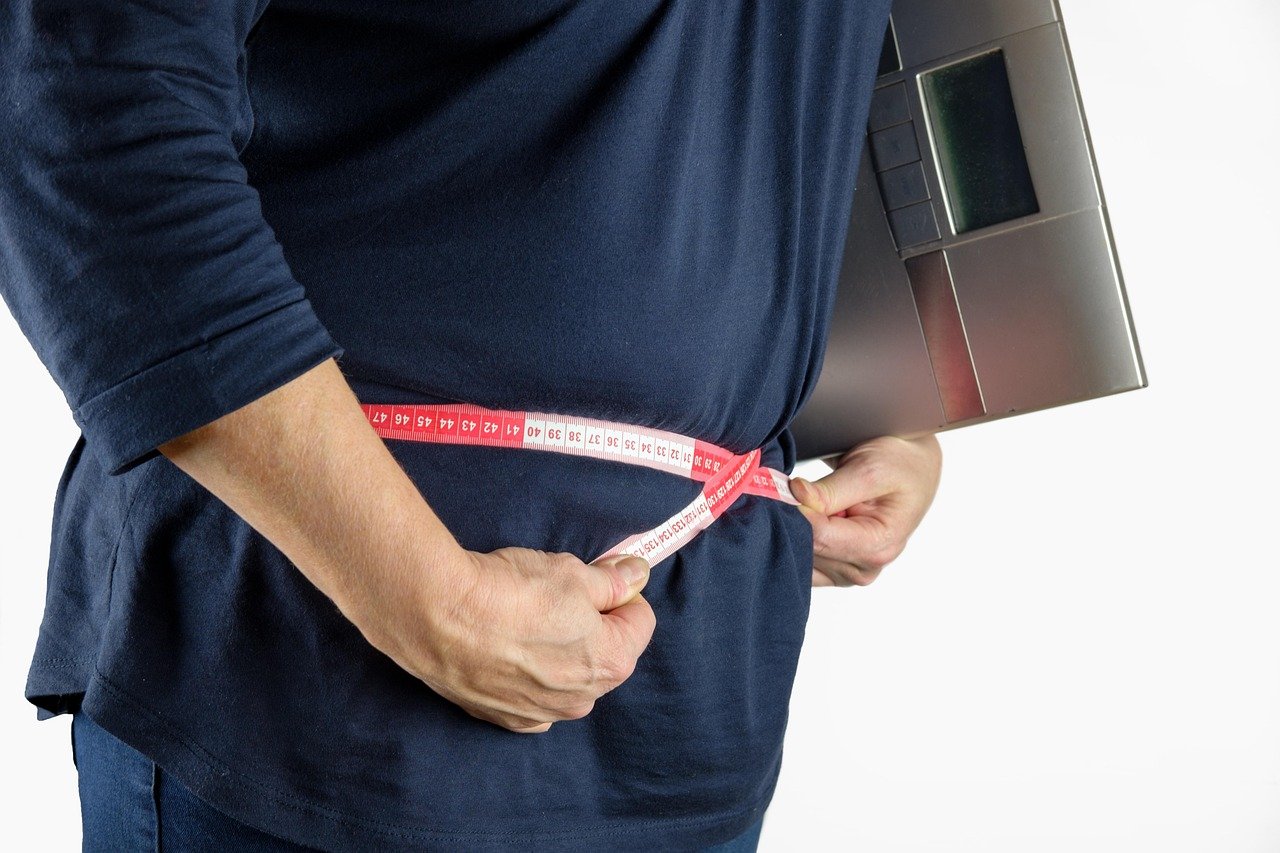
Doctors use the body mass index (BMI): weight in kilograms divided by height in metres squared. A BMI of 25 to 29.9 is overweight, and 30 or above is obese. For South Asians, health risks start at lower levels, so a BMI of 23 and above is already considered overweight, and 27.5 and above is high risk. Waist size matters too. A waist above 90 cm in men or 80 cm in women signals dangerous belly fat.
Why do people gain weight?
- Eating more calories than the body burns: large portions, fried food, sugary drinks, sweets and white rice and roti in excess
- Little physical activity and long sitting hours
- Poor or short sleep, and stress eating
- Pregnancy and menopause (see menopause)
- Medical causes: underactive thyroid, PCOS, and steroid and some antidepressant medicines
- Family history and genes, which influence but do not decide your weight
Why it matters
- Type 2 diabetes (see early signs of diabetes)
- High blood pressure and high cholesterol
- Heart attack and stroke
- Fatty liver
- Knee and back pain, sleep apnoea, and difficulty conceiving
- Higher risk of several cancers
The good news: losing even 5 to 10 percent of your body weight improves blood sugar, blood pressure and cholesterol.
What actually works
- Eat less, not nothing. Smaller portions of roti and rice, more sabzi, daal, salad and protein. Cut down on fried snacks, bakery items, soft drinks, packaged juices and sweet chai.
- Move daily. A brisk 30 minute walk on most days is a good start. Add strength exercise two days a week.
- Sleep 7 to 8 hours. Poor sleep raises hunger hormones.
- Eat slowly, and avoid eating in front of the TV or phone.
- Aim for slow loss, about 0.5 to 1 kg a week. Fast loss tends to come back.
- Keep a simple food diary for a couple of weeks to see where the extra calories come from.
- Get thyroid and sugar tests if you gain weight without a clear reason.
What does not work
- Crash diets, skipping meals, or only drinking tea or juice
- “Slimming tea”, herbal “fat burners”, injections and capsules sold online or in beauty parlours. Some contain hidden stimulants, laxatives or steroids and have caused serious harm.
- Sweating belts and tight body wraps, which lose water, not fat
- Spot reduction, such as crunches to lose only belly fat
Medical treatment
For people with a BMI of 30 or above, or 27 with weight-related illnesses, a doctor may add medicines to lifestyle changes. These include orlistat, which reduces fat absorption, and newer injectable medicines such as semaglutide, liraglutide and tirzepatide. These are strong prescription medicines with side effects, are not for everyone, and work only alongside diet and exercise. Weight often returns if they are stopped. For severe obesity, bariatric (weight loss) surgery is an option. Please do not use any of these without a doctor.
Children
Childhood obesity is rising too. Limit sugary drinks and screen time, keep fast food occasional, and encourage outdoor play. Never put a child on a diet without a doctor’s advice.
When to see a doctor
- BMI of 30 or above, or a large waist with sugar, BP or cholesterol problems
- Sudden weight gain, swelling, or tiredness, cold intolerance or irregular periods
- Weight gain after starting a new medicine. Do not stop it without advice.
- Breathlessness, snoring with daytime sleepiness, or knee pain limiting exercise
- You have tried several times and cannot lose weight
Key takeaways
- Obesity raises the risk of diabetes, heart disease, high BP and more. South Asians are at risk at lower BMI.
- Portion control, daily walking and good sleep work better than crash diets.
- Avoid slimming teas and fat-burner products.
- Prescription weight-loss medicines are only for selected people, under a doctor.
Related products on Medimart
- Orlistat, semaglutide, liraglutide and tirzepatide: prescription weight management medicines, supplied only on a valid prescription
You can track your progress with weight scales and browse health drinks and nutrition on Medimart, delivered across Pakistan.
This guide is for general information and does not replace advice from a doctor or dietitian.














