
- Shop by Generic (A-Z)
- Shop by Health Condition
- Acid Reflux & Stomach Ulcer
- Allergy & Hay Fever
- Arthritis & Joint Pain
- Cancer Care
- Chest Infection & Pneumonia
- Cold & Flu
- Diabetes
- Ear Infection
- Hepatitis & Liver Disease
- High Blood Pressure
- Infertility & PCOS
- Kidney Stones
- Pain Relief
- Period Pain
- Sinusitis
- Skin Infection
- Throat Infection & Tonsillitis
- Thyroid Disorders
- Typhoid
- Urinary Tract Infection (UTI)
- View All Health Conditions
- Herbal & Unani
Child Vaccination Schedule in Pakistan (EPI): A Parent’s Guide

✓Reviewed by Dr Asma
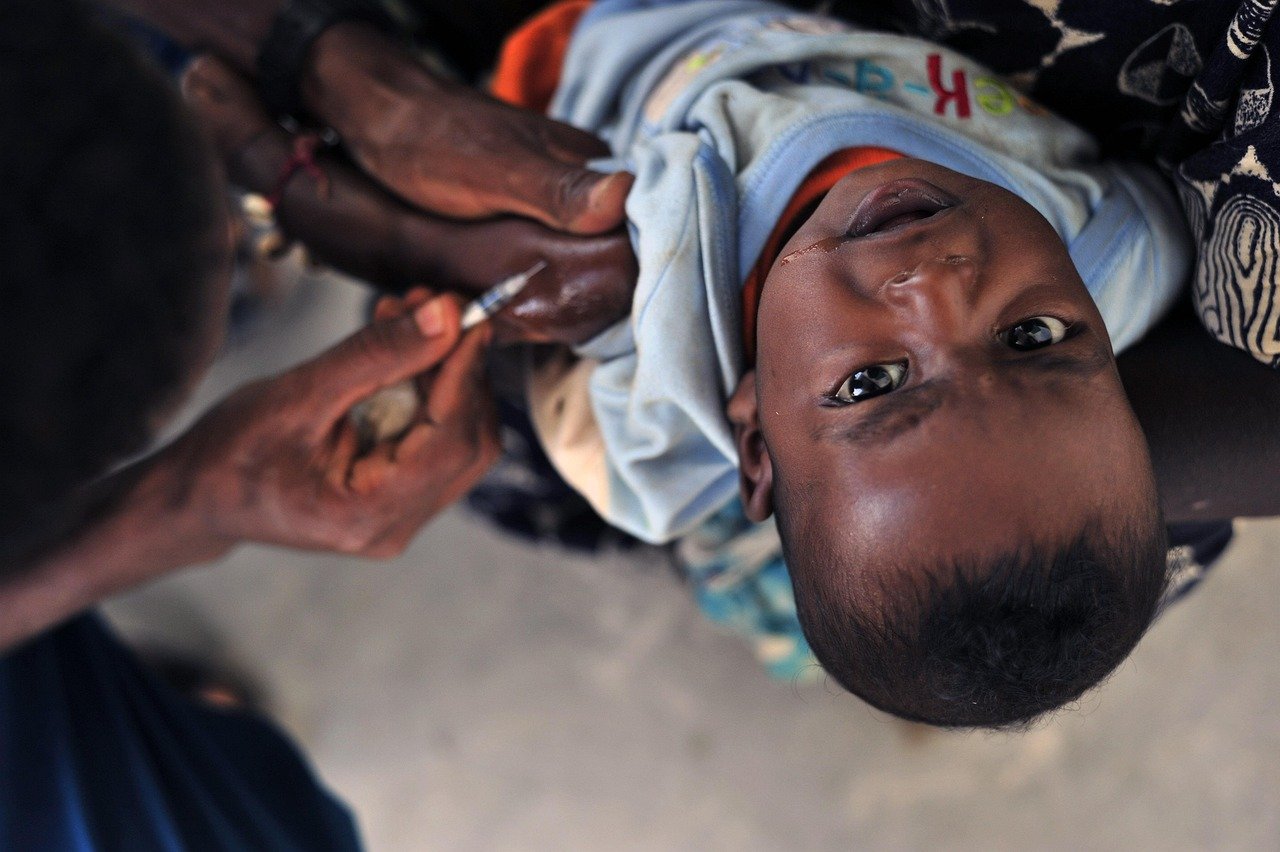
Every parent in Pakistan knows the little vaccination card tucked into the child’s file. Vaccines are one of the simplest and most effective ways to protect children from diseases that once killed or disabled thousands: polio, measles, diphtheria, whooping cough, tetanus, tuberculosis and more. Here is an easy guide to the routine vaccinations in Pakistan’s Expanded Programme on Immunization (EPI), and what to expect.
Why vaccines matter
- They train the child’s immune system to recognise germs before the child meets them.
- Vaccinated children are far less likely to get seriously ill, be hospitalised, or die from these diseases.
- High vaccination rates protect babies too young to be vaccinated and people with weak immunity (herd protection).
- Polio is still present in Pakistan, so every dose counts.
The routine EPI schedule (a general guide)
The government schedule can be updated, so always follow the card given at your EPI centre or your paediatrician’s advice. In general it looks like this:
- At birth: BCG (protects against severe childhood tuberculosis) and the zero dose of oral polio vaccine (OPV). A birth dose of hepatitis B vaccine is also advised by many doctors.
- 6 weeks: Pentavalent (protects against diphtheria, tetanus, whooping cough, hepatitis B and Hib), pneumococcal (PCV), rotavirus and OPV.
- 10 weeks: second doses of Pentavalent, PCV, rotavirus and OPV.
- 14 weeks: third doses of Pentavalent, PCV and OPV, plus an injectable polio vaccine (IPV).
- 9 months: first measles-rubella vaccine. Typhoid conjugate vaccine is also given at this age in many areas (see typhoid).
- 15 months: second measles-rubella dose.
Adolescent girls and women of childbearing age need tetanus-diphtheria vaccines, and pregnant women need tetanus protection during pregnancy. Some regions also offer HPV vaccination for girls, which protects against cervical cancer. Ask at your health centre what is currently offered.
Other vaccines your doctor may recommend
- Hepatitis A (see hepatitis A)
- Chickenpox (varicella)
- MMR, which covers measles, mumps and rubella
- Annual influenza vaccine for children and the elderly (see cold vs flu)
- Meningococcal vaccine for travellers, including Umrah and Hajj pilgrims
What to expect after vaccination
- Mild fever, fussiness, or sleepiness for a day or two is common.
- Soreness, redness or a small swelling where the injection was given. BCG leaves a small sore and scar over a few weeks, and this is normal.
- Feeding your baby as usual and giving extra fluids is good.
- For fever, give paracetamol only as directed on the label or by your doctor (see fever in children).
- Serious reactions are very rare. Seek urgent help for difficulty breathing, swelling of the face, a high fever with convulsions, or a baby who is limp or cannot be woken.
Common myths
- “Vaccines cause the disease.” Routine vaccines cannot cause the disease they prevent.
- “Too many vaccines overload the baby.” Babies’ immune systems handle many germs every day. The schedule is carefully tested.
- “A little fever means the child is too ill to vaccinate.” A mild cold is not a reason to delay, but ask your doctor if the child has a high fever.
- “Polio drops are harmful.” Polio drops are safe and extra doses protect your child and the community.
Missed a dose? Don’t restart
If your child missed a vaccine or came late, there is no need to restart the series. Go to the nearest EPI centre or doctor as soon as possible. They will continue from where you left off. Keep the card safe and take it to every visit.
Tips for vaccination day
- Carry the vaccine card and note any allergies or illnesses.
- Feed your baby before going, and hold the baby close afterwards.
- Stay at the clinic for 15 to 30 minutes in case of a rare reaction.
- Do not apply home remedies, ghee or toothpaste on the injection site.
When to see a doctor
- Fever above 39 C or lasting more than two days after a vaccine
- Persistent crying for hours, convulsions or unusual drowsiness
- A large swelling, pus or spreading redness at the injection site
- Concerns about a missed vaccination or a child with a medical condition
Key takeaways
- Follow the EPI schedule from birth to 15 months. Do not skip polio and measles doses.
- Mild fever and soreness are normal after vaccines. Serious reactions are rare.
- Missed a dose? Continue without restarting.
- Ask your paediatrician about extra vaccines such as hepatitis A, chickenpox and flu.
Related products on Medimart
- Hepatitis B vaccine, MMR vaccine and pneumococcal vaccine
- Influenza vaccine and tetanus toxoid vaccine
- Paracetamol: for post-vaccine fever, used as directed
Browse baby care products on Medimart, with delivery across Pakistan. Vaccines and prescription medicines are supplied only against a valid prescription and under a doctor’s advice.
This guide is for general information and does not replace advice from a doctor. The government schedule may change, so always follow your EPI centre or paediatrician.














