
- Shop by Generic (A-Z)
- Shop by Health Condition
- Acid Reflux & Stomach Ulcer
- Allergy & Hay Fever
- Arthritis & Joint Pain
- Cancer Care
- Chest Infection & Pneumonia
- Cold & Flu
- Diabetes
- Ear Infection
- Hepatitis & Liver Disease
- High Blood Pressure
- Infertility & PCOS
- Kidney Stones
- Pain Relief
- Period Pain
- Sinusitis
- Skin Infection
- Throat Infection & Tonsillitis
- Thyroid Disorders
- Typhoid
- Urinary Tract Infection (UTI)
- View All Health Conditions
- Herbal & Unani
How to Use a Nebulizer at Home: Step-by-Step Guide

✓Reviewed by Dr Asma
Reviewed by Dr Asma, Medical Reviewer at Medimart
When a child wheezes through the night or an elderly parent struggles with a chest infection, a nebulizer can feel like a lifesaver. Many Pakistani families now keep one at home, especially during winter and smog season. But a nebulizer only works well when it is used correctly and kept clean. This guide walks you through how it works, how to use it step by step, and the mistakes people commonly make.
What is a nebulizer?
A nebulizer is a small machine that turns liquid medicine into a fine mist, which you breathe in through a mask or mouthpiece. Because the medicine goes straight to the lungs, it can open the airways quickly. It is often used for asthma, bronchiolitis in children, COPD, and some chest infections. Nebulizers are especially helpful for young children and older adults who cannot manage an inhaler properly. If you have asthma, our guide on asthma symptoms, triggers and inhaler use explains the basics.
Nebulizer or inhaler: which is better?
Neither is better for everyone. A pressurised inhaler used with a spacer works as well as a nebulizer for many people with mild to moderate asthma, and it is portable and quick. A nebulizer is useful when someone cannot coordinate breathing with an inhaler, during a severe flare up under medical advice, or when a doctor prescribes a medicine that only comes in liquid form. Your doctor will guide you on which suits your condition.
Types of nebulizers
Compressor nebulizers are the most common and affordable. They are reliable for home use but a little noisy. Mesh nebulizers are small, quiet and battery powered, which is handy for travel, though they cost more. Ultrasonic models are quiet but are not suitable for every medicine. When choosing, look for a trusted brand, a mask size that fits your child or adult, spare parts availability and a warranty. You can see the available nebulizers and inhalers on our site.
How to use a nebulizer step by step
Start by washing your hands. Place the machine on a flat, stable surface and connect the tubing to the compressor and the medicine cup. Add only the medicine your doctor prescribed, in the amount they told you, into the cup. Never add anything else, and do not mix medicines unless your doctor has said so. Attach the mask or mouthpiece. Sit upright, switch the machine on, and breathe normally and slowly through your mouth. With a mask, make sure it fits snugly over the nose and mouth with no gaps, because mist escaping around the edges means less medicine reaches the lungs. A treatment usually lasts around ten to fifteen minutes and ends when the mist stops or the cup sputters. Switch off the machine, and if you used a mask, wipe the face and rinse the mouth.
Tips for children
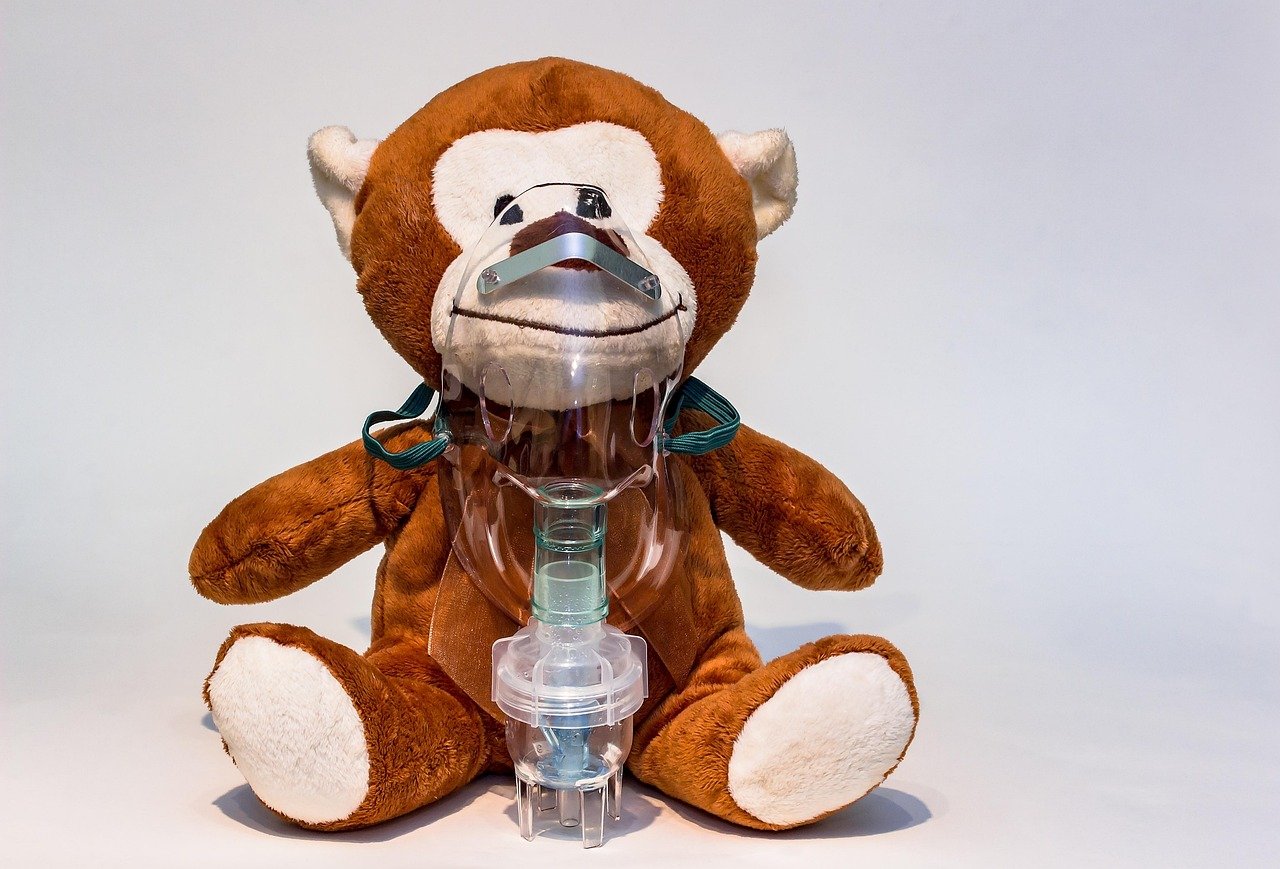
Children often cry and resist the mask, which wastes the medicine. Try to treat it as calm time: sit the child on your lap, let them hold a soft toy, or use a story or cartoon. Never use the nebulizer while a child is lying flat or screaming. A crying child breathes in far less medicine than a calm one.
Cleaning and care
Poor cleaning is the biggest hidden problem. Germs can grow in damp tubing and cups. After each use, wash the cup and mask in warm soapy water, rinse and let them air dry fully. Once a week, disinfect the parts as the manufacturer advises, for example by soaking in diluted white vinegar solution or boiling if the parts allow it. Replace the filter, mask and tubing at the recommended intervals. Do not wash the compressor itself and never wet the tube that connects to it.
Common mistakes
Using tap water to rinse and not drying the parts, sharing masks between family members, adding extra medicine to feel better faster, stopping a prescribed course early, and ignoring warning signs that the child needs hospital care are all frequent errors. Note too that a nebulizer is not a substitute for a doctor when breathing is difficult.
When to get urgent help
Go to a hospital if the person is struggling to breathe, speaking only in short phrases, has blue lips, a very fast heartbeat, or does not improve after treatment. For winter coughs and colds, also read our post on cold versus flu.
Frequently asked questions
Can I use a nebulizer without a prescription?
The machine is safe to own, but the medicine used in it should be prescribed by a doctor.
Can I put salt water in a nebulizer?
Only use saline or any liquid your doctor has specifically recommended. Do not improvise.
How often should I replace the mask?
Follow the maker’s guidance. Replace it sooner if it cracks, hardens or becomes discoloured.
Is a nebulizer safe for babies?
Yes, with a properly fitted infant mask and a doctor’s advice on the medicine.
Disclaimer: This article is for general information only and is not a substitute for professional medical advice, diagnosis or treatment. Always consult a qualified doctor before using any medicine or device.