
- Shop by Generic (A-Z)
- Shop by Health Condition
- Acid Reflux & Stomach Ulcer
- Allergy & Hay Fever
- Arthritis & Joint Pain
- Cancer Care
- Chest Infection & Pneumonia
- Cold & Flu
- Diabetes
- Ear Infection
- Hepatitis & Liver Disease
- High Blood Pressure
- Infertility & PCOS
- Kidney Stones
- Pain Relief
- Period Pain
- Sinusitis
- Skin Infection
- Throat Infection & Tonsillitis
- Thyroid Disorders
- Typhoid
- Urinary Tract Infection (UTI)
- View All Health Conditions
- Herbal & Unani
Digital Thermometer Buyer Guide: Types, Features and Correct Use

✓Reviewed by Dr Asma
When someone in the house feels hot and unwell, the first question is always the same: how high is the fever? A reliable digital thermometer gives you a quick, clear answer and helps you decide whether home care is enough or it is time to call a doctor. Here is how to choose one and how to use it properly.
Reviewed by Dr Asma
Why every home needs a thermometer
Touching the forehead is a poor guide. Hands, weather and even a warm room can fool you. In children especially, a measured temperature helps you decide how worried to be. Our guide on fever in children explains what to do once you have a number, and the same tool is useful during dengue, typhoid and cold and flu season.
Types of thermometers
Digital stick (oral, underarm, rectal)
This is the classic home thermometer. It is cheap, accurate when used correctly and gives a reading in under a minute. Many digital sticks have a flexible tip and a beep when the reading is ready. It is the best all-round choice for most families.
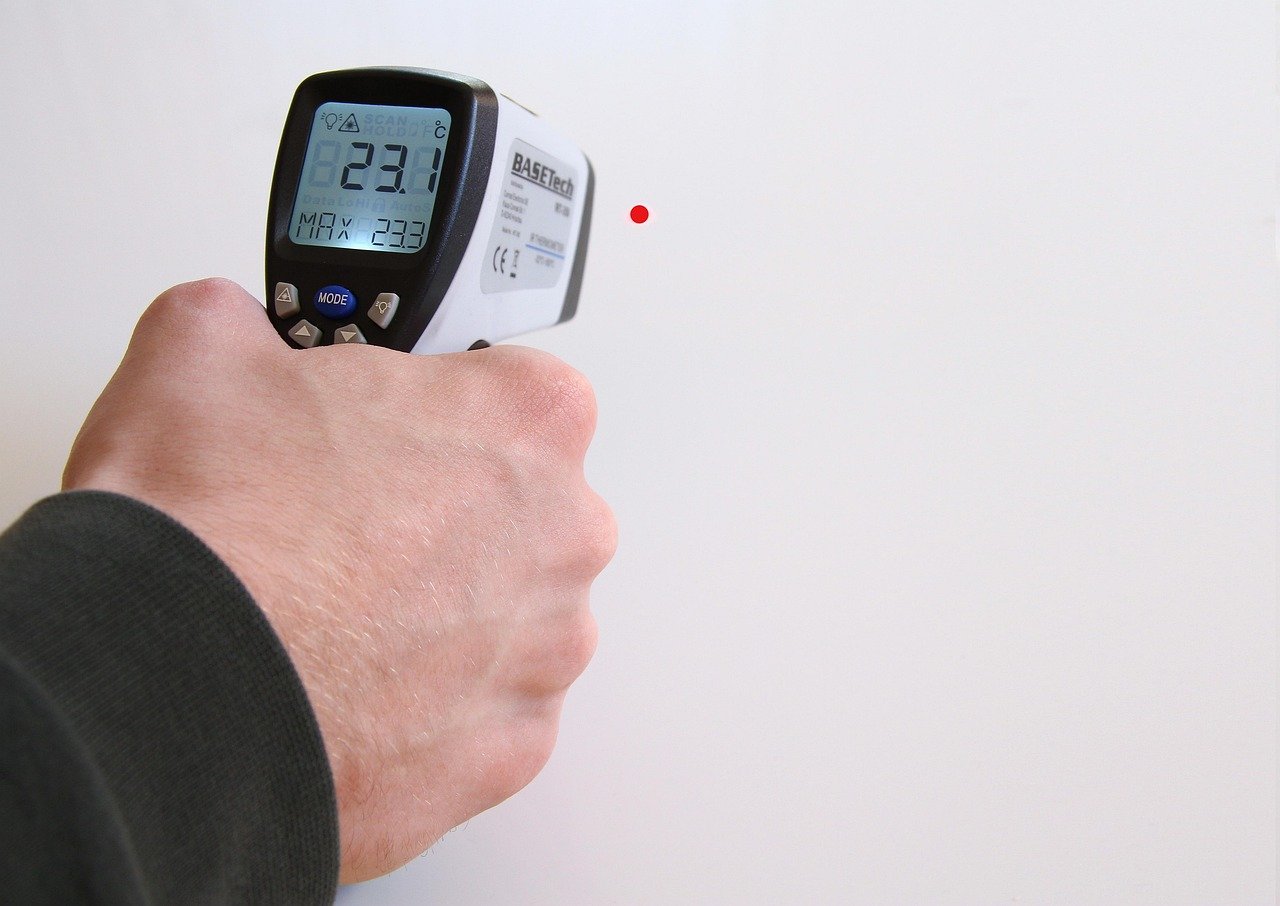
Infrared forehead thermometer
Point and press, and the reading appears in seconds without touching the skin. It is handy for sleeping children and for checking several people quickly. Accuracy depends on distance and a clean, dry forehead, so follow the instructions closely.
Ear (tympanic) thermometer
Quick and reasonably accurate when placed correctly, but a wrongly angled probe or earwax can spoil the result. Not ideal for very young babies.
Mercury thermometers
Avoid them. If one breaks, mercury is toxic and hard to clean safely. Switch to digital.
What to check before you buy
- Speed: faster readings are easier with restless children.
- Display: large digits and a backlight help at night.
- Memory: some models recall the last reading, which is useful when tracking a fever.
- Fever alarm: a beep or colour change when the reading is high.
- Waterproof tip: easier to clean properly.
- Battery: replaceable coin cells last for a long time. Keep a spare.
- Brand: choose a recognised brand and keep the warranty details.
You can compare options such as the Digital Thermometer Life Care, the Rossmax Thermometer and the Caretouch Digital Thermometer in our Health Devices and Surgical category.
How to take an accurate temperature
- Wash your hands and clean the tip with soap and water or an alcohol wipe.
- Wait at least fifteen to thirty minutes after hot drinks, exercise or a hot bath.
- For an underarm reading, place the tip in a dry armpit and keep the arm pressed against the body until the beep.
- For an oral reading, place it under the tongue with the lips closed.
- Read the display, note the time and write the number down.
- Clean the thermometer again and store it in its case.
Underarm readings are usually a little lower than oral readings, so stick to the same method each time when you are tracking a fever.
What counts as a fever?
In adults, a temperature of about 38 degrees Celsius or above is generally considered a fever. In babies under three months, even a mild rise is a reason to see a doctor the same day. Do not wait at home if a baby is very sleepy, refusing feeds, breathing fast or has a rash.
Common mistakes
- Measuring right after a cold drink or while wrapped in a blanket.
- Using the same thermometer for rectal and oral use without cleaning.
- Ignoring the low battery sign.
- Dropping the device and trusting it afterwards. If you doubt a reading, compare it with a clinic thermometer.
Pair your thermometer with a well-stocked home first aid kit and a home BP monitor so the basics are always at hand.
Frequently asked questions
Which thermometer is best for babies?
A digital stick is a safe, reliable choice. Ask your paediatrician which method they prefer for your baby’s age.
Are forehead thermometers accurate?
They are convenient and reasonably accurate when used as directed, but a reading that does not match how sick the person looks should be rechecked with another method.
How often should I check a fever?
Every few hours is usually enough. Check sooner if the person seems worse.
Why is my reading different each time?
Placement, timing and a recent hot or cold drink all change the result. Keep the method the same.
Can I share a thermometer with the family?
Yes, if you clean it well after each use. Keep a separate one for rectal use if you take rectal readings.
Disclaimer: This article is for general information only and is not a substitute for professional medical advice, diagnosis or treatment. Always speak to a qualified doctor about your health.














