
- Shop by Generic (A-Z)
- Shop by Health Condition
- Acid Reflux & Stomach Ulcer
- Allergy & Hay Fever
- Arthritis & Joint Pain
- Cancer Care
- Chest Infection & Pneumonia
- Cold & Flu
- Diabetes
- Ear Infection
- Hepatitis & Liver Disease
- High Blood Pressure
- Infertility & PCOS
- Kidney Stones
- Pain Relief
- Period Pain
- Sinusitis
- Skin Infection
- Throat Infection & Tonsillitis
- Thyroid Disorders
- Typhoid
- Urinary Tract Infection (UTI)
- View All Health Conditions
- Herbal & Unani
Pulse Oximeter Buyer Guide: How to Choose One for Home Use

✓Reviewed by Dr Asma
A small clip on your fingertip can tell you a lot about how well your lungs and heart are working. Since the pandemic, the pulse oximeter has moved from hospital wards into ordinary Pakistani homes, and many families now keep one next to the thermometer and the BP machine. But with so many models and prices in the market, how do you pick a good one?
Reviewed by Dr Asma
What a pulse oximeter actually measures
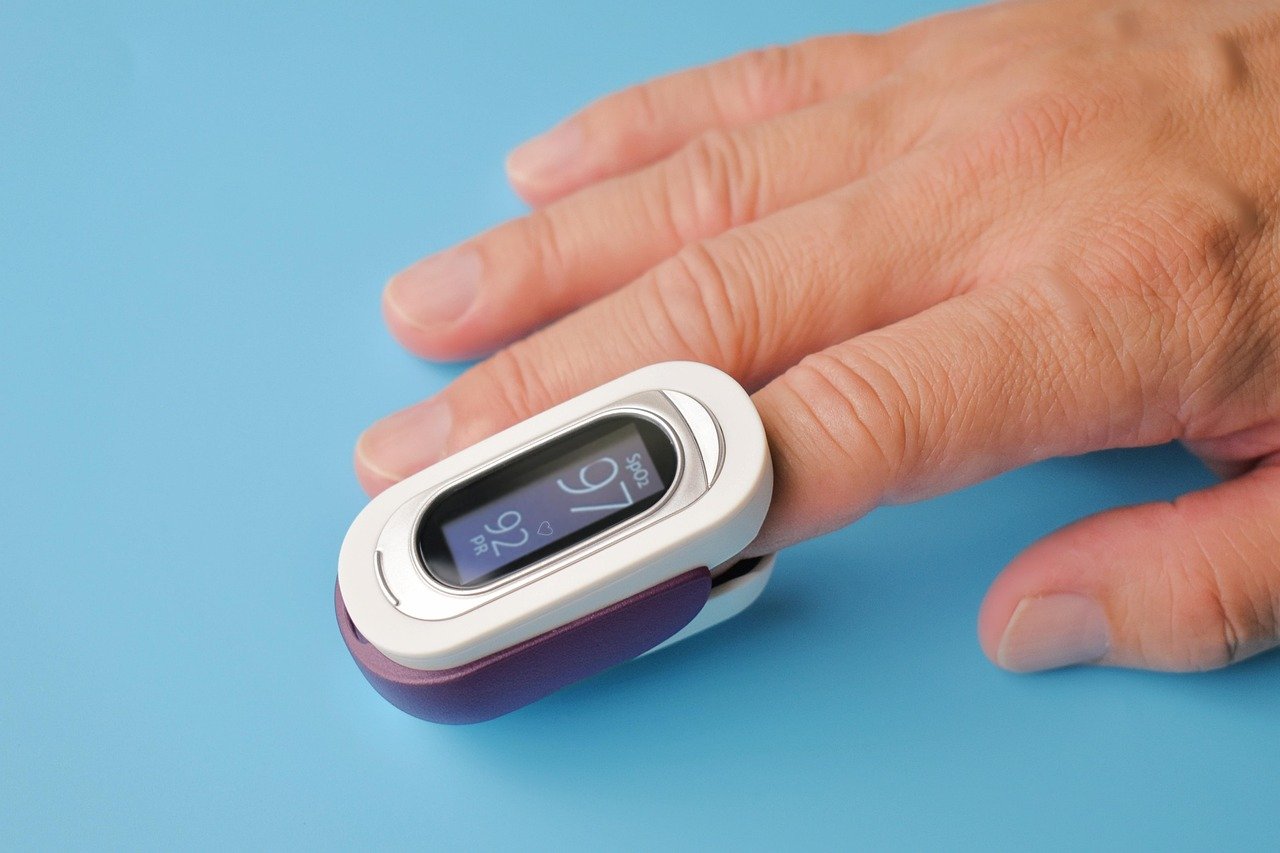
A pulse oximeter shines light through your fingertip and estimates two things: the percentage of oxygen carried in your blood (called SpO2) and your pulse rate. Most healthy people read 95 percent or above at rest. Readings that stay low, or drop suddenly, deserve a call to your doctor.
Who benefits from having one at home
Not everybody needs a pulse oximeter, but it is genuinely useful in some situations:
- People living with asthma, COPD or other chronic chest problems who need to watch their breathing between clinic visits.
- Patients recovering from pneumonia or a severe chest infection.
- Families caring for an elderly parent with heart or lung disease. Our guide to elderly care at home covers other daily checks worth doing.
- People who use a nebuliser at home and want a clearer picture of how they are doing. See our step-by-step nebulizer guide.
What to look for when buying
1. A clear, bright display
Choose a model with an OLED or bright LED screen that you can read easily in daylight and in a dim room. Some displays rotate so the numbers stay upright whichever hand you use. This matters most for older users.
2. Fast and stable readings
A good device settles within a few seconds and does not keep jumping around. If the number changes wildly every second, the sensor may be poor quality or the finger may be positioned wrongly.
3. Pulse rate and a waveform bar
Most models show both SpO2 and pulse. A small bar or wave that moves with each heartbeat is a helpful extra, because it shows whether the device has a good signal before you trust the number.
4. Comfortable fit
The clip should hold your finger gently without squeezing. Adult sizes do not fit small children well, so ask a pharmacist or doctor before using a standard clip on a baby or toddler.
5. Batteries and build
Most use two AAA batteries and switch off automatically after a short time. Check that the battery cover closes firmly, because cheap covers crack easily.
6. Brand and seller
Accuracy depends on the sensor, so avoid unbranded devices with no packaging details. Buy from a pharmacy you trust so you can return a faulty piece.
How to get an accurate reading
- Sit quietly and rest for a few minutes first.
- Keep your hand warm. Cold fingers give low or unreliable readings, which is common in winter.
- Remove nail polish and artificial nails, or use a different finger.
- Rest your hand on your chest or a table at heart level and keep it still.
- Wait until the number holds steady for several seconds before noting it.
Write the reading down with the date and time. A pattern over several days tells your doctor far more than one number.
Limits you should know about
A pulse oximeter is a screening aid, not a diagnosis tool. Dark skin, poor circulation, cold hands, movement and dark nail polish can all affect accuracy. A normal reading does not rule out illness, and you should never ignore symptoms such as breathlessness, chest pain or blue lips just because the screen shows a good number.
When to get urgent help: if you or a family member is struggling to breathe, feels confused, or the reading stays clearly below your usual level even after resting and warming the hand, go to the nearest hospital.
Pulse oximeters at Medimart
You can browse in-stock models such as Pulse Oximeter Life Care, Pulse Oximeter Believia 1s and Pulse Oxi Meter in our Health Devices and Surgical section. If you are building a home monitoring kit, our BP monitor buyer guide and home first aid kit list are a good next read.
Frequently asked questions
What is a normal oxygen level on a pulse oximeter?
For most healthy adults it is 95 percent or higher. People with long-term lung disease may have a lower usual level, so ask your doctor what is normal for you.
Can I use a pulse oximeter on a child?
Standard adult clips may not fit small fingers well and can give wrong readings. Ask your paediatrician about the right device for your child.
Does nail polish change the reading?
Yes, dark colours in particular can interfere with the light sensor. Remove polish or use a bare finger.
How often should I check?
Only as often as your doctor advises. Checking constantly can cause needless worry, especially if the device is not placed properly.
Is a cheap pulse oximeter reliable?
Price alone does not decide accuracy, but very cheap, unbranded units often give inconsistent results. Choose a recognised brand and compare readings with a clinic device once.
Disclaimer: This article is for general information only and is not a substitute for professional medical advice, diagnosis or treatment. Always speak to a qualified doctor about your health.














