
- Shop by Generic (A-Z)
- Shop by Health Condition
- Acid Reflux & Stomach Ulcer
- Allergy & Hay Fever
- Arthritis & Joint Pain
- Cancer Care
- Chest Infection & Pneumonia
- Cold & Flu
- Diabetes
- Ear Infection
- Hepatitis & Liver Disease
- High Blood Pressure
- Infertility & PCOS
- Kidney Stones
- Pain Relief
- Period Pain
- Sinusitis
- Skin Infection
- Throat Infection & Tonsillitis
- Thyroid Disorders
- Typhoid
- Urinary Tract Infection (UTI)
- View All Health Conditions
- Herbal & Unani
Chikungunya: Symptoms, Joint Pain Treatment and Prevention

✓Reviewed by Dr Asma
If you have ever had a fever so sudden that you shook with chills, followed by joints so painful you could barely hold a cup or climb out of bed, you will understand why chikungunya has such a fearsome reputation. The name comes from an African word meaning “that which bends up”, describing the stooped posture of people in pain. Outbreaks have been reported in Karachi and other parts of Pakistan, usually after the monsoon, when mosquitoes breed in standing water.
What is chikungunya?
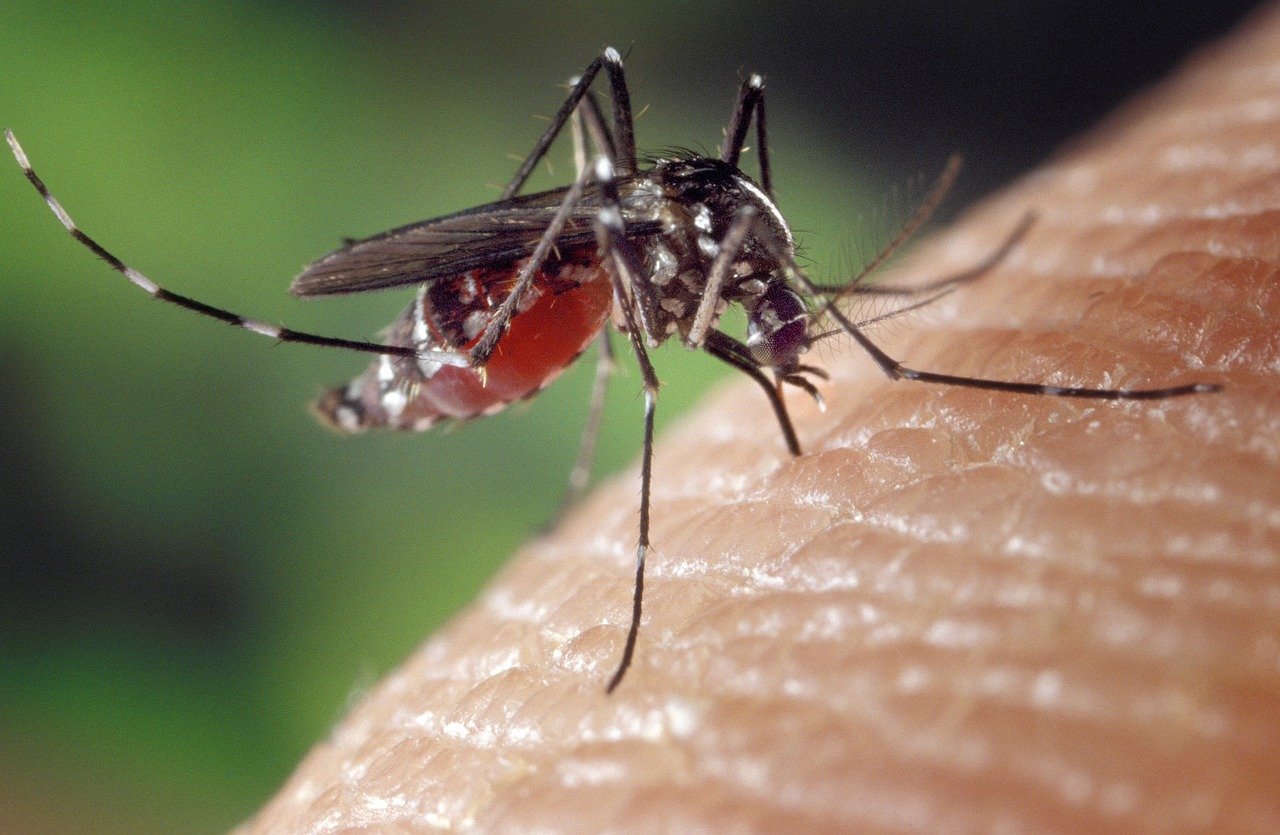
Chikungunya is a viral infection spread by the bite of infected Aedes mosquitoes, the same daytime-biting mosquitoes that spread dengue. It does not spread directly from person to person. Because the symptoms overlap with dengue and malaria, a blood test is the only way to be sure.
Symptoms
Symptoms usually start 3 to 7 days after the bite:
- Sudden high fever and chills
- Severe joint pain, often in the wrists, ankles, fingers and knees, on both sides of the body
- Joint swelling and stiffness, worse in the morning
- Headache, muscle pain and extreme tiredness
- A rash, usually on the trunk and limbs
- Nausea and red eyes
The fever usually settles in a few days. The joint pain is what lingers. In many people it improves within a couple of weeks, but in some it can last for months, mimicking arthritis.
Chikungunya or dengue? Why it matters
The joint pain is far more severe in chikungunya, while dengue is more likely to cause bleeding and a drop in platelets. Both can occur in the same outbreak, and some people are infected with both. A CBC, and a chikungunya or dengue test, helps your doctor decide. This matters because anti-inflammatory painkillers like ibuprofen, diclofenac and aspirin should be avoided until dengue has been ruled out, since they raise the risk of bleeding.
Treatment
There is no specific antiviral medicine and no routine vaccine available in Pakistan. Care is supportive:
- Rest as much as you need.
- Drink plenty of fluids, including oral rehydration salts, soups and coconut water.
- Paracetamol for fever and pain, used as directed. Do not exceed the recommended amount.
- Avoid aspirin and anti-inflammatory painkillers in the first week, unless a doctor who knows the diagnosis advises them.
- Warm compresses and gentle movement ease stiffness after the fever is gone. A physiotherapist can advise exercises.
- For pain lasting weeks, your doctor may prescribe anti-inflammatory medicines, and in rare cases specialist treatment for persistent arthritis.
Protecting yourself and your family
- Empty water from coolers, flower pots, buckets, tyres and containers at least once a week.
- Cover water tanks and keep drains clear.
- Use mosquito repellent on skin and wear long sleeves in the morning and evening.
- Install window screens, and use nets for sick people so mosquitoes do not bite them and spread the virus further.
- Spray only as advised by local health authorities.
Who is at higher risk?
Newborns infected around birth, adults over 65, and people with diabetes, high blood pressure or heart disease are more likely to become seriously ill. Pregnant women should see a doctor promptly.
When to see a doctor
- High fever with severe joint pain, especially during an outbreak
- Bleeding from the nose or gums, black stools, or purple spots on the skin
- Persistent vomiting, severe abdominal pain, or confusion
- Fever in a baby, pregnant woman or older adult
- Joint pain still severe after three weeks
Key takeaways
- Chikungunya is a mosquito-borne viral fever with severe joint pain.
- It looks like dengue, so get tested and avoid anti-inflammatory painkillers until dengue is excluded.
- Rest, fluids and paracetamol are the mainstay. Joint pain can last weeks.
- Removing standing water and preventing bites is the best protection.
Related products on Medimart
- Paracetamol: for fever and pain, used as directed on the label
- Oral rehydration salts (ORS): help maintain fluids during fever
Browse fever care products and joint pain products on Medimart, with delivery across Pakistan. Prescription medicines are supplied only against a valid prescription.
This guide is for general information and does not replace advice from a doctor.