
- Shop by Generic (A-Z)
- Shop by Health Condition
- Acid Reflux & Stomach Ulcer
- Allergy & Hay Fever
- Arthritis & Joint Pain
- Cancer Care
- Chest Infection & Pneumonia
- Cold & Flu
- Diabetes
- Ear Infection
- Hepatitis & Liver Disease
- High Blood Pressure
- Infertility & PCOS
- Kidney Stones
- Pain Relief
- Period Pain
- Sinusitis
- Skin Infection
- Throat Infection & Tonsillitis
- Thyroid Disorders
- Typhoid
- Urinary Tract Infection (UTI)
- View All Health Conditions
- Herbal & Unani
Kidney Infection (Pyelonephritis): Symptoms, Causes and Treatment

✓Reviewed by Dr Asma
A urinary infection that begins with burning and frequency is unpleasant but usually manageable. When the infection climbs up to the kidney, it becomes a different matter: high fever, chills, and severe pain in the back or side. This is called pyelonephritis, or a kidney infection, and it needs prompt treatment to avoid complications.
What is a kidney infection?
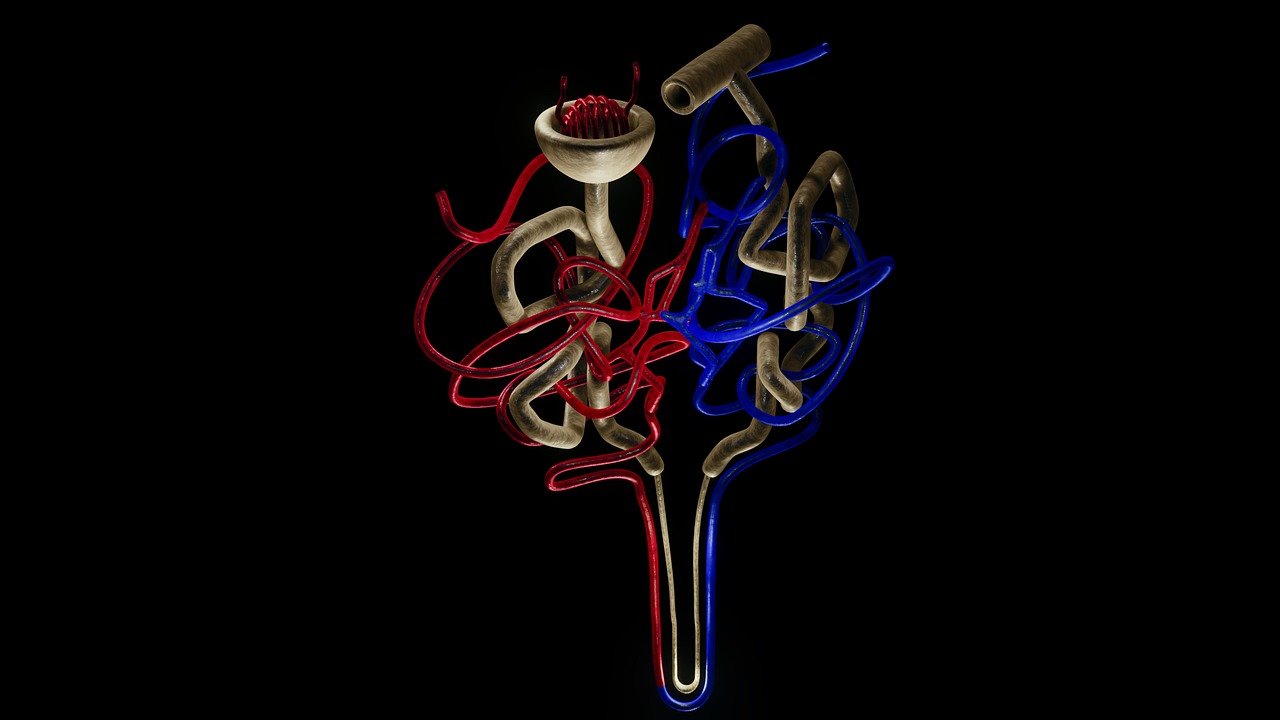
A kidney infection is a bacterial infection of one or both kidneys, usually starting as a bladder infection (UTI) that travels up the ureters. The most common germ is E. coli, which normally lives in the bowel. Women get kidney infections more often than men because the urethra is shorter.
Risk factors
- A previous or untreated bladder infection
- Kidney stones, which block urine flow and trap bacteria
- Pregnancy
- Diabetes (see early signs of diabetes)
- An enlarged prostate in men, which stops the bladder emptying fully
- Catheters, or structural problems of the urinary tract
- Weak immunity, and holding urine for long periods
- Poor hygiene, or dehydration from not drinking enough water
Symptoms
- Fever of 38 C (100.4 F) or higher, often with chills and shivering
- Pain in the back, flank (side), or groin, usually on one side
- Nausea and vomiting
- Burning or pain while passing urine, frequent urination, and urgency
- Cloudy, dark, or foul-smelling urine, sometimes with blood
- Confusion or sudden weakness in older adults, sometimes the only sign
How is it diagnosed?
Urine tests (urine routine examination and culture) show pus cells and bacteria, and the culture tells which antibiotic works. Blood tests show the level of infection and how the kidneys are working. An ultrasound or CT scan is done if you do not respond to treatment, have a stone, or are at higher risk.
Treatment
- Antibiotics are essential. Mild cases can be treated at home with a tablet course prescribed by your doctor, typically for one to two weeks. More severe cases need hospital admission and antibiotic injections, such as ceftriaxone, followed by tablets once improved. The choice is based on your culture result and local resistance patterns, so do not self-medicate.
- Finish the full course even if the fever goes in a day or two. Stopping early can allow the infection to come back stronger.
- Fluids: drink plenty of water unless a doctor has restricted fluids.
- Paracetamol for fever and pain, as advised.
- Avoid anti-inflammatory painkillers if you have dehydration or reduced kidney function.
- Stones, blockages or abscesses need specialist treatment.
Why it should not be ignored
An untreated kidney infection can spread to the blood (sepsis), form a kidney abscess, or cause scarring and, with repeated infections, long-term damage that can lead to chronic kidney disease. In pregnancy it can cause premature labour.
Prevention
- Treat bladder infections early and fully.
- Drink enough water through the day, especially in summer.
- Do not hold urine for long periods.
- Women should wipe front to back, and pass urine after sex.
- Control blood sugar if you are diabetic.
- Get stones and prostate problems treated.
When to go to hospital
- High fever with shivering and back or flank pain
- Persistent vomiting so you cannot take tablets or fluids
- You are pregnant, diabetic, elderly, or have only one kidney
- Confusion, a rapid pulse, dizziness, or very little urine
- No improvement after 48 to 72 hours of antibiotics
Key takeaways
- A kidney infection is a serious urinary infection with fever and back or flank pain.
- It needs a doctor’s assessment, a urine culture and a full antibiotic course.
- Stones, diabetes and prostate problems make it more likely and should be treated.
- Drinking enough water and treating UTIs early help prevent it.
Related medicines on Medimart
- Ceftriaxone, ciprofloxacin and levofloxacin: antibiotics used for kidney infections, only on a doctor’s prescription
- Paracetamol: for fever and pain, used as directed
Browse urinary tract infection products and kidney care products on Medimart, delivered across Pakistan. Prescription medicines are supplied only against a valid prescription.
This guide is for general information and does not replace advice from a doctor.














