
- Shop by Generic (A-Z)
- Shop by Health Condition
- Acid Reflux & Stomach Ulcer
- Allergy & Hay Fever
- Arthritis & Joint Pain
- Cancer Care
- Chest Infection & Pneumonia
- Cold & Flu
- Diabetes
- Ear Infection
- Hepatitis & Liver Disease
- High Blood Pressure
- Infertility & PCOS
- Kidney Stones
- Pain Relief
- Period Pain
- Sinusitis
- Skin Infection
- Throat Infection & Tonsillitis
- Thyroid Disorders
- Typhoid
- Urinary Tract Infection (UTI)
- View All Health Conditions
- Herbal & Unani
Teething in Babies: Signs, Safe Relief and What to Avoid

✓Reviewed by Dr Asma
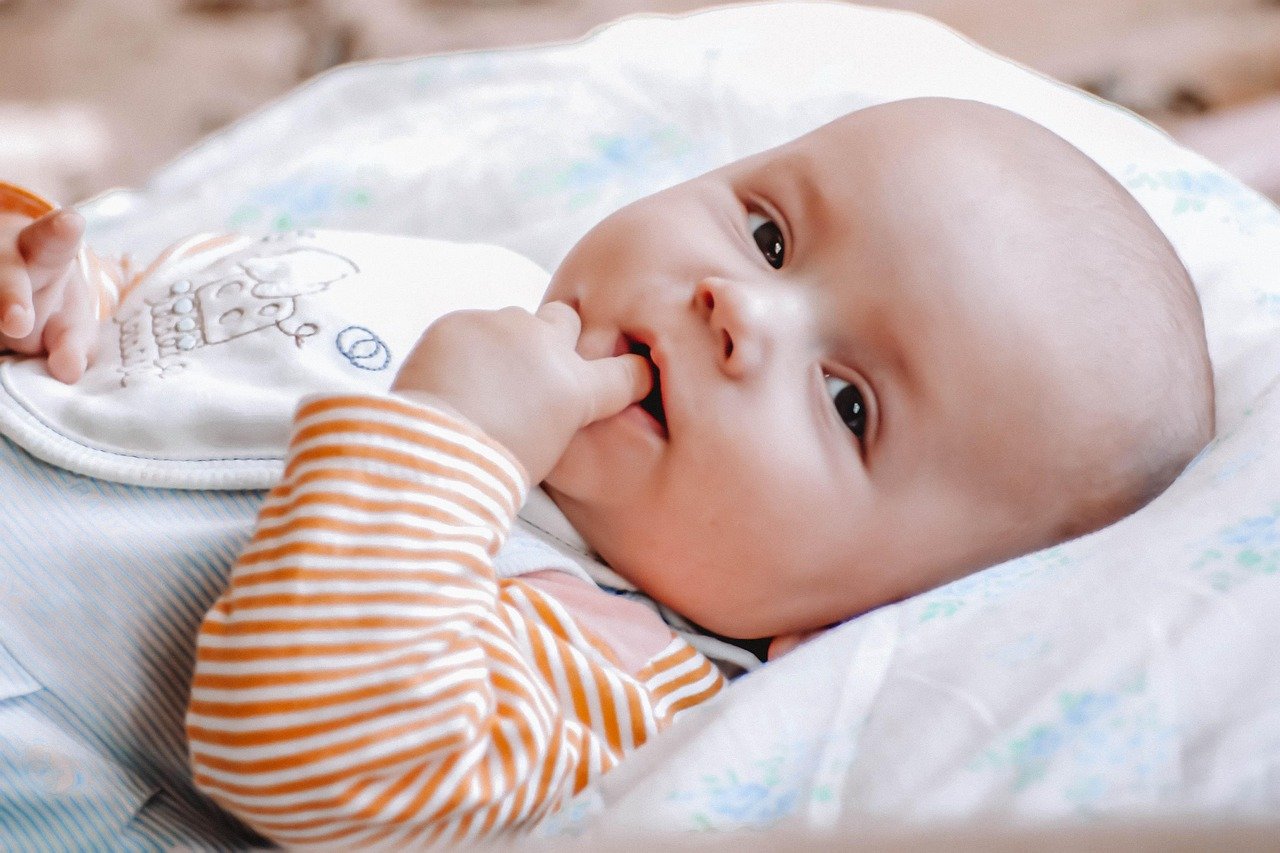
Few things test a parent’s patience like a baby who is drooling, cranky and chewing on everything in reach. Teething usually explains it, and while it is a normal stage, it can feel endless at 3 am. This guide explains what teething looks like, what actually helps, and what to avoid.
Reviewed by Dr Asma
When does teething start?
Most babies get their first tooth somewhere around six months, but the range is wide. Some babies show a tooth at four months and others closer to a year. The lower front teeth usually come first, followed by the upper front teeth. By around three years old, most children have a full set of twenty baby teeth. If your baby is a little early or late, that is usually just family pattern. Mention it at a routine check-up if you are worried.
Common signs of teething
- Lots of drooling, sometimes with a chin rash.
- Chewing on fingers, toys and anything else within reach.
- Swollen, tender or slightly red gums.
- Irritability, fussiness and more clinginess than usual.
- Waking more often at night.
- Rubbing the cheek or pulling at the ear on one side.
What teething does not cause
This is where many parents get confused. A high fever, vomiting, severe diarrhoea or a baby who seems really unwell should not be blamed on teething. Teething can cause a slightly raised temperature at most. If your baby has a proper fever, read our guide on fever in children and speak to a doctor. Likewise, loose motions deserve attention, see diarrhoea in children.
Safe ways to soothe a teething baby
Cool, not frozen
A clean teether chilled in the fridge (never the freezer) gives gentle relief. A cold, damp washcloth to chew on also works well.
Gentle gum massage
Wash your hands, then rub the sore gum softly with a clean finger for a minute or two. Many babies love the pressure.
Wipe the drool
Keep a soft cloth handy and pat the chin dry to prevent a rash. A little barrier cream can help if the skin is red. Our baby skin products are in the Baby Skin and Bath Care section.
Safe teething toys
Choose one-piece silicone or rubber teethers made for babies. Avoid anything small enough to be swallowed.
Comfort and routine
Extra cuddles, a calm bedtime and a little distraction go a long way. Some babies simply need more closeness for a few days.
What to avoid
- Amber necklaces and bracelets: they are a strangling and choking risk and are not recommended.
- Honey on the gums: never give honey to a baby under one year.
- Rubbing alcohol or home remedies on gums: these can be harmful.
- Adult pain gels: many adult mouth gels are not safe for babies. Always check with your doctor or pharmacist first.
- Frozen teethers: ice-hard objects can hurt delicate gums.
Teething products and when to ask a doctor
If your baby is very uncomfortable, ask your paediatrician or pharmacist which teething product suits your baby’s age. Products such as Doltee Teething Drops are available at Medimart, but use any medicine only as directed by the label and your doctor.
See a doctor if your baby has a fever, refuses feeds for a day, has diarrhoea, rash on the body, or seems unusually sleepy or unwell.
Looking after new teeth
Start cleaning as soon as the first tooth appears. Use a soft baby toothbrush or a clean damp cloth twice a day, with a smear of age-appropriate toothpaste as advised by your dentist. Avoid putting your baby to bed with a bottle of milk or juice, because it feeds decay. For other baby essentials, our guide to newborn care at home and the Baby Shop may help. And if your own gums are the problem, see toothache and bleeding gums.
Frequently asked questions
How long does teething pain last for each tooth?
Discomfort is usually worst in the few days around when the tooth breaks through the gum, then settles.
Does teething cause fever?
It may cause a mildly warm baby, but a true fever points to another cause and needs a doctor’s opinion.
Can I use a pacifier for teething?
A clean pacifier can comfort some babies, but it is not a teething cure. A teether is a better choice for chewing.
When should I take my baby to a dentist?
Around the first birthday or when the first tooth appears, whichever comes first.
Are teething biscuits safe?
Only once your baby is eating solids, and always under supervision because of choking risk.
Disclaimer: This article is for general information only and is not a substitute for professional medical advice, diagnosis or treatment. Always speak to a qualified doctor about your child.














