
- Shop by Generic (A-Z)
- Shop by Health Condition
- Acid Reflux & Stomach Ulcer
- Allergy & Hay Fever
- Arthritis & Joint Pain
- Cancer Care
- Chest Infection & Pneumonia
- Cold & Flu
- Diabetes
- Ear Infection
- Hepatitis & Liver Disease
- High Blood Pressure
- Infertility & PCOS
- Kidney Stones
- Pain Relief
- Period Pain
- Sinusitis
- Skin Infection
- Throat Infection & Tonsillitis
- Thyroid Disorders
- Typhoid
- Urinary Tract Infection (UTI)
- View All Health Conditions
- Herbal & Unani
Chilblains in Winter: Itchy, Swollen Fingers and Toes

✓Reviewed by Dr Asma
If your fingers or toes turn red, puffy and very itchy every winter, you may be dealing with chilblains. They are common in Pakistani homes during the cold months, especially among people who wash clothes and dishes in cold water or sit close to a heater to warm frozen hands. Chilblains are usually mild, but they can be painful and annoying. The good news is that simple habits prevent most of them.
Reviewed by Dr Asma
What are chilblains?
Chilblains are small, inflamed patches that appear after the skin is exposed to cold and often damp weather. Cold makes the tiny blood vessels near the surface narrow. When the skin warms up again, especially quickly, those vessels may not adjust smoothly. Fluid leaks into the surrounding tissue and causes swelling, redness and itching.
They mostly affect the fingers, toes, heels, ears and nose. They often show up a few hours after being in the cold rather than straight away.
Symptoms to look for
- Red, purple or darker patches on the fingers or toes. On brown skin the colour change may be harder to see.
- Itching or a burning feeling that gets worse when the area warms up.
- Swelling and tenderness.
- Shiny or tight looking skin.
- In more severe cases, blisters or small sores.
Who gets them more often?
- People with poor circulation, diabetes or blood vessel disease.
- Those who are underweight or eat poorly.
- Smokers, because smoking narrows blood vessels.
- Women, children and older people.
- People with Raynaud’s phenomenon or some immune conditions such as lupus.
- Anyone who often has wet hands or wet socks in cold weather.
- People who wear tight shoes that reduce blood flow to the toes.
Home care that helps
- Warm the area gently. Move to a warm room and let the skin recover slowly. Do not press hands or feet against a heater, and avoid very hot water.
- Do not scratch. Broken skin can become infected.
- Do not rub hard. Strong massage can damage swollen skin.
- Keep the area clean and dry. Pat gently after washing.
- Moisturise. A plain emollient from our moisturisers and creams range helps stop dry skin from cracking.
- Protect sores. Cover broken skin with a clean, loose dressing and show it to a doctor.
A pharmacist or doctor may suggest a soothing cream or another treatment if itching or swelling is troublesome. Do not apply strong steroid creams, balms or home pastes without advice, particularly on broken skin.
How to prevent chilblains
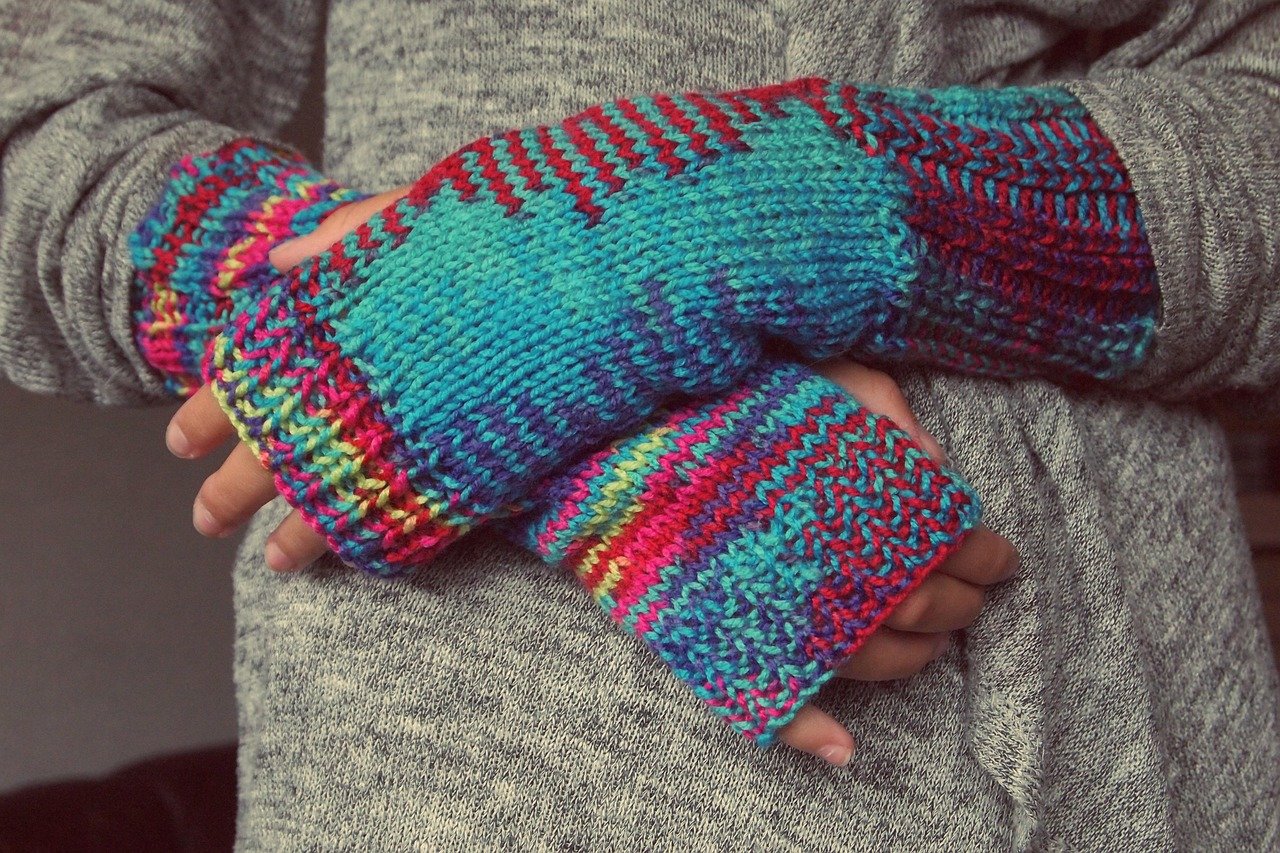
- Wear warm gloves and socks before you feel cold, not after.
- Choose layers. Keeping the whole body warm helps blood reach the hands and feet.
- Change wet socks, shoes and gloves quickly.
- Use lukewarm water and rubber gloves for washing dishes and clothes.
- Wear roomy, closed shoes instead of open sandals on cold floors.
- Cover ears with a cap or scarf when riding a motorbike.
- Stay active. Even a short walk indoors improves circulation.
- Stop smoking.
Winter is hard on skin in other ways too. Our guides on dry skin in winter and cracked heels and chapped lips explain how to protect it. If cold weather also makes your knees or hands ache, read about winter joint pain.
Chilblains or something else?
Several problems can look similar. Fungal infection often causes peeling between the toes. Eczema tends to cause dry, scaly patches that can appear in any season. Raynaud’s phenomenon causes fingers to turn white or blue for a short time before becoming red. Frostbite follows severe freezing and leaves the skin numb, hard and pale or dark. Frostbite is an emergency and needs hospital care at once.
When to see a doctor
- The patches do not improve after a few weeks.
- You see pus, spreading redness, warmth or you develop fever.
- Blisters or ulcers appear.
- You have diabetes or poor circulation. Any foot sore needs early checking.
- Chilblains keep coming back, or appear in warm weather.
- You also have joint pain, rashes or unusual tiredness.
A simple daily winter routine
Prevention works best when it becomes a habit. In the morning, put on dry socks and closed slippers before stepping onto a cold floor. Finish washing jobs with lukewarm water, dry between the fingers and apply a moisturiser. In the evening, check your feet for new red patches, especially if you have diabetes. Spotting chilblains early gives you time to protect the skin before it breaks.
Frequently asked questions
How long do chilblains last?
Most settle within a few weeks if the skin is kept warm, dry and undamaged. They may return with the next cold spell.
Are chilblains contagious?
No. They are a reaction to cold, so you cannot catch them from another person.
Can I use a hot water bottle on them?
It is better not to place direct heat on affected skin. Swollen or numb areas can burn easily. Warm the room and your body instead.
Do children get chilblains?
Yes. Keep their hands and feet warm and dry, and check their toes if they complain of itching or tight shoes.
Disclaimer: This article is for general awareness only and does not replace advice from a qualified doctor. Please consult a health professional about diagnosis and treatment.