
- Shop by Generic (A-Z)
- Shop by Health Condition
- Acid Reflux & Stomach Ulcer
- Allergy & Hay Fever
- Arthritis & Joint Pain
- Cancer Care
- Chest Infection & Pneumonia
- Cold & Flu
- Diabetes
- Ear Infection
- Hepatitis & Liver Disease
- High Blood Pressure
- Infertility & PCOS
- Kidney Stones
- Pain Relief
- Period Pain
- Sinusitis
- Skin Infection
- Throat Infection & Tonsillitis
- Thyroid Disorders
- Typhoid
- Urinary Tract Infection (UTI)
- View All Health Conditions
- Herbal & Unani
How to Store Medicines at Home: Safe Storage Tips

✓Reviewed by Dr Asma
Reviewed by Dr Asma
Most Pakistani homes keep a small stock of medicines: a fever tablet, a cough syrup, an antacid, some drops and creams. But where those medicines live matters as much as which ones you buy. Heat, moisture and sunlight can quietly spoil them, and a medicine left within reach of a curious child can become dangerous. This guide shows how to store medicines at home safely, especially during our hot summers and humid monsoon months.
Why storage matters
Medicines are chemicals, and chemicals change when they get too warm, too damp or too bright. A tablet stored in a hot kitchen may lose strength. Syrups can grow germs, and eye drops can become unsafe once contaminated. A spoiled medicine may simply not work, or in some cases may cause side effects. Safe storage protects your money and your health.
Pick the right place
Choose a cool, dry, dark place away from direct sunlight. A cupboard in a bedroom or living room is usually better than the kitchen or the bathroom. The kitchen has steam and heat from the stove, and the bathroom is damp after every shower, both of which break down tablets and capsules. Do not leave medicines on a window sill, near the cooker, on top of the fridge or in a parked car.
Keep them out of reach of children
Many childhood poisonings in Pakistan happen because a child swallowed a tablet that looked like a sweet. Store all medicines in a high cupboard or a lockable box, even those you consider harmless. Never call medicine candy to persuade a child to take it. Return the cap firmly every time, and keep adult medicines, including heart, diabetes and sleeping tablets, separate from children’s medicines.
Keep medicines in their original packaging
The box and strip carry the name, strength, batch number and expiry date. They also hold the leaflet with instructions. Do not mix tablets from different strips into a single container, and do not cut off the expiry date. If you use a weekly pill organiser, fill it from the original packs and keep the packs for reference. This is especially useful for elderly relatives who take several medicines.
Which medicines need the fridge?
Some products must be kept cold, for example insulin that is not in use, certain eye drops, and some syrups or suspensions after they are mixed. Always read the label or ask the pharmacist. Do not store them in the freezer or at the door of the fridge where temperature changes. Everything else normally stays at room temperature. If the power goes out for many hours in summer, ask your pharmacist whether the cold items are still safe.
Check expiry dates and shelf life after opening
Make it a habit to go through your medicine box every three to six months. Throw out anything that is expired, discoloured, crumbling, sticky or smells strange. Many liquid medicines and creams also have a shorter life once opened, often written on the label as a period after opening. Eye and ear drops are usually discarded about a month after opening unless the label says otherwise. Writing the date of opening on the bottle with a marker is a very helpful habit.
How to dispose of old medicines
Do not flush tablets down the toilet and do not throw them loose in the dustbin where children or animals can find them. Remove them from their packs, mix them with something unpleasant such as used tea leaves, seal them in a bag and put them in the household rubbish. Ask your pharmacist about take back options if available.
Build a simple home first aid box
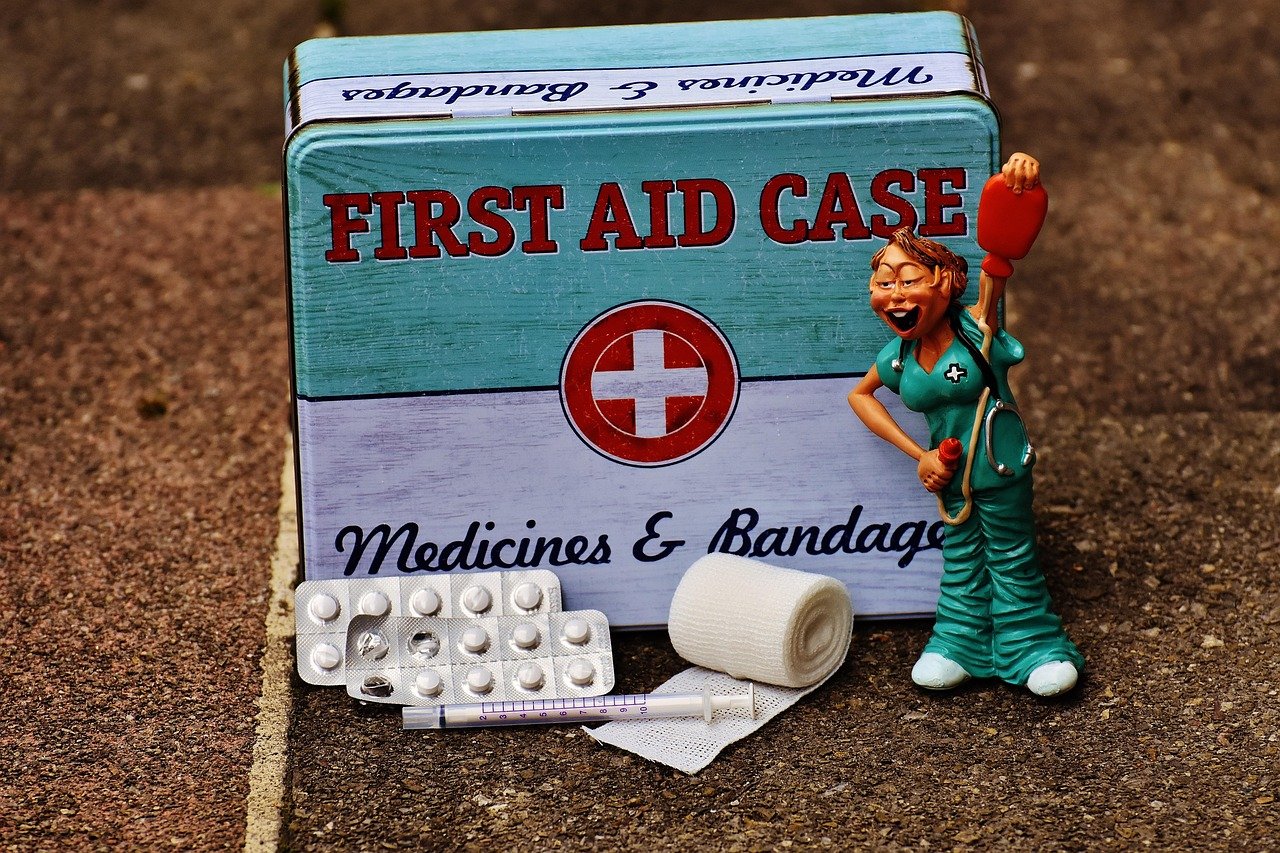
A tidy box saves time in an emergency. It can include bandages, sterile gauze, antiseptic solution, a digital thermometer, tweezers, scissors and a list of emergency numbers. You can shop for these in our first aid and bandages section, our thermometers range and surgical and disposables. If someone at home has high blood pressure, our guide on how to check your blood pressure correctly at home is worth reading, and a home monitor is available in BP monitors. Orders above Rs 10,000 qualify for free delivery from Medimart.
Frequently asked questions
Can I keep all medicines in the fridge to be safe?
No. Most medicines are meant for room temperature and some can be harmed by cold or moisture. Only refrigerate what the label tells you to.
What happens if I take an expired medicine?
Often it is simply weaker, but some products can become unsafe. It is better not to take it. Ask your pharmacist if you are unsure.
Is it safe to take tablets out of the strip early?
Not for long. The strip protects tablets from air and moisture, so take them out only when you are ready to use them.
How should I store medicines when travelling?
Carry them in your hand luggage in a small bag, away from direct heat. Never leave them in a parked car or in a suitcase in the sun.
Disclaimer: This article is for general information only and is not a substitute for medical advice. Please consult a qualified doctor or pharmacist before starting or changing any treatment.














