
- Shop by Generic (A-Z)
- Shop by Health Condition
- Acid Reflux & Stomach Ulcer
- Allergy & Hay Fever
- Arthritis & Joint Pain
- Cancer Care
- Chest Infection & Pneumonia
- Cold & Flu
- Diabetes
- Ear Infection
- Hepatitis & Liver Disease
- High Blood Pressure
- Infertility & PCOS
- Kidney Stones
- Pain Relief
- Period Pain
- Sinusitis
- Skin Infection
- Throat Infection & Tonsillitis
- Thyroid Disorders
- Typhoid
- Urinary Tract Infection (UTI)
- View All Health Conditions
- Herbal & Unani
Smog and Health: How to Protect Your Lungs and Eyes

✓Reviewed by Dr Asma
Reviewed by Dr Asma
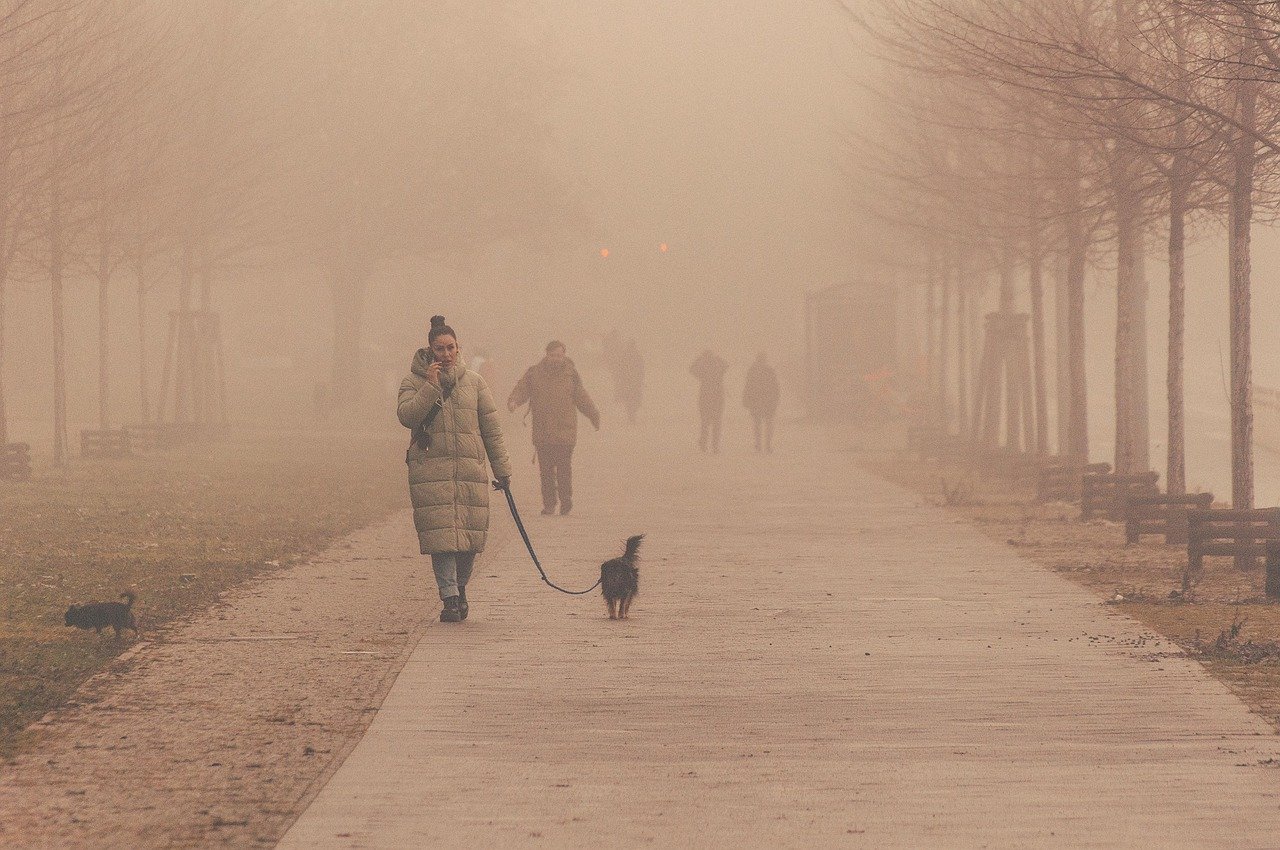
Every year from October to January, a grey haze settles over Lahore, Faisalabad, Gujranwala and many other cities of Punjab. We call it smog, and it is not just an inconvenience. It is a mix of vehicle smoke, factory emissions, crop burning and dust, trapped close to the ground by cold, still air. The tiny particles in it are small enough to travel deep into the lungs and even enter the bloodstream. This guide explains what smog does to your body and the practical steps that really help.
What smog does to your body
The most common complaints are a scratchy throat, dry cough, burning or watery eyes, headaches and a runny or blocked nose. People with asthma, COPD, heart disease or diabetes feel it more, and so do children, pregnant women and the elderly. On very bad days even healthy adults notice tiredness and breathlessness while climbing stairs.
If smog days always bring wheezing or a tight chest, read our guide on asthma symptoms, triggers and inhaler technique. Your doctor may want you on a regular preventer during the smog season rather than only a rescue inhaler.
Check the air before you go out
Get into the habit of checking the Air Quality Index (AQI) on a phone app each morning. When the number is in the unhealthy range, plan your day around it. Move walks and children’s outdoor play to the afternoon when the air is usually a little clearer, or skip them completely on the worst days. Schools and offices that allow it should shift outdoor activities indoors.
Wear the right mask
A thin cloth or surgical mask blocks dust but not the finest smog particles. An N95 or KN95 mask that fits snugly over the nose and chin gives far better protection. A mask only works when it seals against the face, so men with beards and children with loose masks get less benefit. Replace a mask when it becomes damp, dirty or hard to breathe through. You can browse masks and other items in our surgical and disposables section.
Keep the air inside your home cleaner
- Close windows and doors during peak smog hours, usually early morning and late evening.
- Wipe floors and surfaces with a damp cloth rather than dry sweeping, which throws dust back into the air.
- Avoid burning incense, mosquito coils and wood or coal indoors.
- Keep indoor plants and, if you can afford one, use a HEPA air purifier in the bedroom.
- Do not smoke at home. Cigarette smoke adds to what smog already does to the lungs.
Protect your eyes
Smog irritates the surface of the eye and worsens dryness, especially if you also spend hours on a phone or sit in an air-conditioned or heated room. Rinse your face and eyes with clean cool water after coming home, avoid rubbing them, and ask your doctor about lubricating eye drops. Our article on dry eyes and relief for screen and AC users covers more tips, and you can see eye care products in the dry eye and eye inflammation category. Contact lens users may be more comfortable in glasses for a few weeks.
Allergy, cough and sore throat
Many people mistake smog irritation for a cold or an allergy. If you sneeze often, have an itchy nose and itchy eyes, see our allergy and hay fever range. For a persistent dry cough, speak to a doctor before reaching for strong cough syrups, and read cold vs flu symptoms and home treatment to tell the difference. Warm water, steam inhalation and honey can soothe the throat. If a family member uses a nebuliser, make sure the machine is clean and working before the season starts. We stock nebulizers and inhalers if you need one.
Eat and drink to support your lungs
No food cancels the effect of polluted air, but a balanced diet helps the body cope. Drink enough water, eat fruit and vegetables rich in vitamin C, and include walnuts, fish or other healthy fats. Warm drinks such as green tea or kahwa feel comforting for an irritated throat. Do not rely on home remedies alone if you are struggling to breathe.
When to see a doctor
Get medical help quickly if you have difficulty breathing, chest pain, a cough lasting more than two weeks, blue lips, or a child who is breathing fast. People with heart or lung disease should keep their regular medicines at hand and refill them before smog peaks. You can order from Medimart and enjoy free delivery on orders above Rs 10,000.
Frequently asked questions
Is smog dangerous for children?
Yes. Children breathe faster and their lungs are still developing, so they absorb more pollution for their body size. Keep them indoors on very bad air days and make sure they wear a properly fitting mask when they must go out.
Do cloth masks work against smog?
Cloth masks help against large dust but not the finest particles. An N95 or KN95 mask is a better choice.
Can smog cause long-term damage?
Repeated exposure over years is linked with asthma, chronic bronchitis, heart disease and reduced lung growth in children. Reducing exposure during the season is worthwhile.
Should I exercise outside during smog?
Not on poor air days. Exercise makes you breathe deeper and faster. Choose indoor exercise instead.
Disclaimer: This article is for general information only and is not a substitute for medical advice. Please consult a qualified doctor or pharmacist before starting or changing any treatment.














