
- Shop by Generic (A-Z)
- Shop by Health Condition
- Acid Reflux & Stomach Ulcer
- Allergy & Hay Fever
- Arthritis & Joint Pain
- Cancer Care
- Chest Infection & Pneumonia
- Cold & Flu
- Diabetes
- Ear Infection
- Hepatitis & Liver Disease
- High Blood Pressure
- Infertility & PCOS
- Kidney Stones
- Pain Relief
- Period Pain
- Sinusitis
- Skin Infection
- Throat Infection & Tonsillitis
- Thyroid Disorders
- Typhoid
- Urinary Tract Infection (UTI)
- View All Health Conditions
- Herbal & Unani
Pneumonia: Symptoms, Treatment and Prevention for Adults and Children

✓Reviewed by Dr Asma
A cough that will not go away, fever with chills, and breathing that feels heavy. Pneumonia is a lung infection that can be mild in a healthy adult, but dangerous in young children, older people and those with other illnesses. In Pakistan it remains one of the leading causes of death in children under five, which makes it a disease every family should know about.
What is pneumonia?
Pneumonia is an infection that inflames the air sacs in one or both lungs. The sacs may fill with fluid or pus, which makes it hard to breathe and get oxygen into the blood. It can be caused by bacteria (the most common is Streptococcus pneumoniae), viruses (including flu and RSV), and sometimes fungi. It often follows a cold or flu.
Symptoms
- Cough, often with yellow, green or rusty phlegm
- Fever, sweating and shaking chills
- Fast breathing or shortness of breath
- Chest pain that worsens when breathing or coughing
- Tiredness, loss of appetite and body aches
- Confusion in older adults, who may not have much fever
- In babies and young children: fast breathing, chest indrawing, grunting, poor feeding, unusual sleepiness, and blue lips
Pneumonia, flu, TB or asthma?
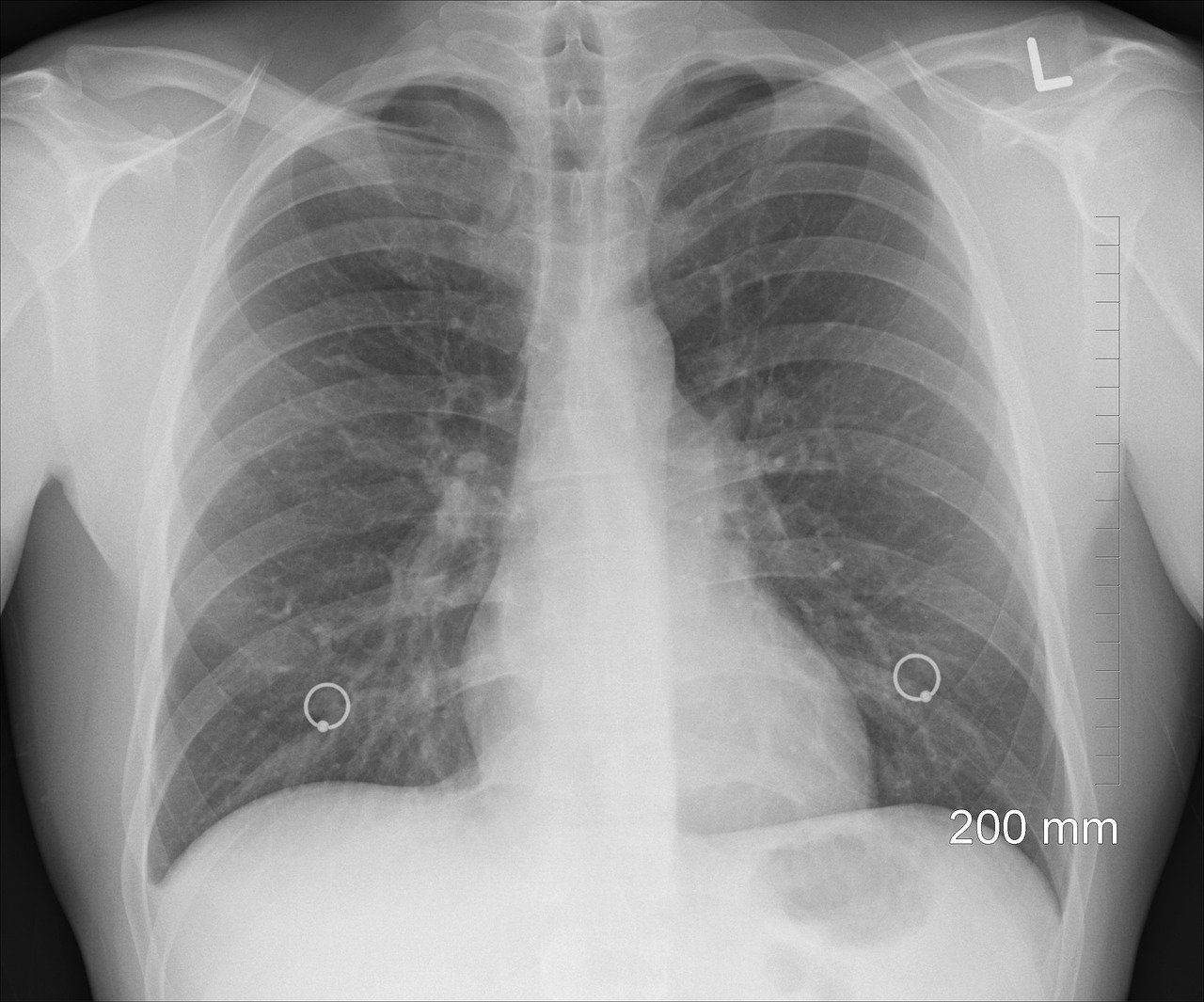
A cold usually stays in the nose and throat. Pneumonia goes deeper, with breathing difficulty. A cough lasting three weeks or more, with weight loss and night sweats, may be tuberculosis. Wheeze that comes and goes may be asthma. A chest X-ray and blood tests help doctors tell them apart.
Who is at higher risk?
- Children under 5 and adults over 65
- Smokers, including shisha users, and those exposed to indoor smoke from wood or dung fires
- People with asthma, COPD, diabetes, heart failure or kidney disease
- Those with weak immunity, malnutrition, or after surgery
Treatment
- Bacterial pneumonia is treated with antibiotics chosen by the doctor, according to age, severity and the person’s other conditions. Take the full course even if you feel better. Do not buy or share antibiotics without a prescription.
- Viral pneumonia does not respond to antibiotics, and is treated with rest, fluids and supportive care. Antivirals are sometimes used for flu.
- Rest and fluids are essential. Paracetamol helps with fever and pain, as directed.
- Cough syrups are not always helpful. Cough helps clear the lungs, so do not suppress it without advice.
- Hospital treatment with oxygen and injectable antibiotics is needed for severe cases, children with fast breathing or chest indrawing, older adults, and anyone with low oxygen levels.
- Stay away from smoke, and sit up or use extra pillows to ease breathing.
Most healthy adults feel better in one to two weeks, though tiredness can last for a month or more.
Emergency signs
- Breathing very fast or struggling to breathe
- Blue or grey lips or face
- Confusion, drowsiness, or difficulty waking
- Chest pain that is severe
- A child who cannot drink, or has convulsions
Prevention
- Vaccines: the pneumococcal vaccine, Hib and measles vaccines (in the child schedule, see vaccination schedule in Pakistan), yearly flu vaccine, and pneumococcal vaccine for adults over 65 and those with long-term illness.
- Wash hands regularly and cover coughs.
- Stop smoking and avoid second-hand smoke.
- Cook on a clean stove with ventilation, and keep babies away from smoke.
- Breastfeed babies in the first six months.
- Treat colds and chest infections early, and control diabetes and other illnesses.
When to see a doctor
- Fever and cough lasting more than three days or getting worse
- Shortness of breath or chest pain
- Any baby or child with fast breathing or a cough and poor feeding
- An older adult who becomes confused, weak or has a cough with fever
Key takeaways
- Pneumonia is a serious lung infection, especially in children and older adults.
- Fast or difficult breathing, blue lips and drowsiness are emergencies.
- Antibiotics are for bacterial pneumonia only, prescribed by a doctor.
- Vaccines, clean air and hand washing are the best protection.
Related medicines on Medimart
- Pneumococcal vaccine and influenza vaccine: prevention for children and adults
- Amoxicillin, azithromycin and levofloxacin: antibiotics used by doctors for bacterial chest infections, only on a prescription
- Paracetamol: for fever and pain, as directed
Browse chest infection products on Medimart, delivered across Pakistan. Prescription medicines are supplied only against a valid prescription.
This guide is for general information and does not replace advice from a doctor.